


Product Introduction
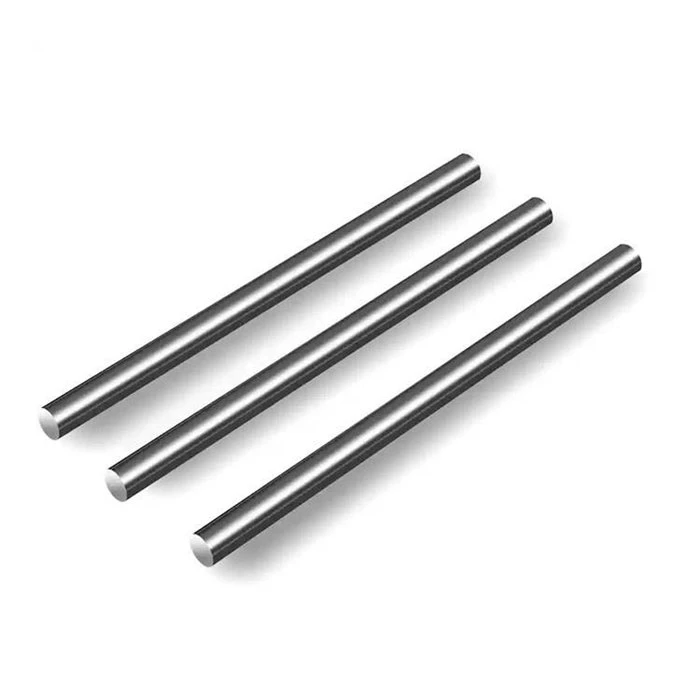
- In structural and load-bearing machining applications, Grade 5 titanium bar is selected where higher strength, fatigue resistance, and dimensional stability are required after processing.
- Ti-6Al-4V combines high mechanical strength with relatively low density and corrosion resistance, making it suitable for aerospace components, motorsport parts, high-load industrial parts, and precision machined components.
- Bars can be supplied for cutting, turning, grinding, drilling, and CNC machining. Grade 2 is generally considered where corrosion resistance and formability are more important than high mechanical strength.
Product Parameter
- The following are typical supply parameters for Grade 5 titanium bar. Final diameter, length, surface condition, machining allowance, and inspection scope should be confirmed according to the order.
- Grade 5 is commonly selected for load-bearing and precision-machined parts where strength, fatigue performance, and weight control are important.
| Item | Specification |
|
Material Grade |
Grade 5 Titanium / Ti-6Al-4V / UNS R56400 |
|
Standard |
ASTM B348 / AMS 4928 |
|
Manufacturing Process |
Hot Forging → Hot Rolling → Annealing → Precision Straightening → Surface Finishing |
|
Diameter Range |
Ø3.0 mm – Ø300 mm (Customized Available) |
|
Length |
50-6000 mm, fixed-length cutting available |
|
Surface Finish |
Turned / Ground / Polished / Machined |
|
Mechanical Properties |
Tensile Strength ≥895 MPa; Yield Strength ≥828 MPa; Elongation ≥10% |
|
Testing |
Ultrasonic Testing, PMI, Mechanical Testing, Dimensional Inspection, MTC |
|
Chemical Composition |
Al 5.5–6.75%, V 3.5–4.5%, Fe ≤0.40%, O ≤0.20%, C ≤0.08%, N ≤0.05%, H ≤0.015%, Ti balance |
|
Common Applications |
Aerospace Structural Parts, Motorsport Components, High-Load Fasteners, Shafts, and Precision CNC Machined Parts |
Product Advantages and Practical Performance Characteristics
Quality inspection

Dimensional Measurement

Mechanical Testing

Chemical Composition Analysis

Ultrasonic Flaw Detection
Mechanical Reliability Under High Load Conditions
- In applications where components are subjected to continuous mechanical stress or cyclic loading, Grade 5 titanium rods are commonly selected for their high strength and fatigue resistance. The Ti-6Al-4V alloy system provides stable mechanical behavior under both static and dynamic loads.
- After secondary machining processes such as turning, milling, or CNC shaping, the material maintains consistent strength characteristics, which is important for parts used in load-bearing or motion-related structures.
Strength-to-Weight Efficiency in Structural Design
- Grade 5 titanium offers significantly higher tensile and yield strength compared to commercially pure titanium, while remaining lighter than many conventional alloy steels. This makes it suitable for designs where strength must be increased without a proportional rise in component weight.
- As a result, Grade 5 rods are frequently applied in structural parts where stiffness, load transfer, and weight control must be balanced within limited design space.
Machining Stability for High-Load Components
- Grade 5 titanium bar is widely used for precision-machined components where predictable mechanical properties, dimensional stability, and low material weight are required.
- Its combination of strength and machinability supports shafts, fasteners, fittings, and other load-bearing parts produced by turning, milling, drilling, or CNC machining.
Application Areas

High-Load Industrial Components
Grade 5 titanium bar is used for shafts, supports, connectors, and load-transfer components where strength, fatigue performance, and lower component weight are important.

Motorsport and Performance Equipment
Ti-6Al-4V bar stock can be machined into suspension parts, drivetrain components, fasteners, and other parts exposed to vibration or repeated mechanical loading.

Non-Implant Medical Manufacturing
Grade 5 titanium bar may be used for non-implant medical tools, instrument components, and equipment parts where strength, low weight, and corrosion resistance are required.

For Aerospace Load-Bearing Structures
In aerospace fabrication, titanium bars are mainly used for internal structural parts rather than visible surfaces.
Typical uses include supports, joints, and load-transfer components where low weight and stable material behavior are required.

Machined Parts from Titanium Bar Stock
Titanium bar stock is frequently used as raw material for CNC machining when dimensional accuracy and repeatability matter. Applications range from drivetrain and motion-related parts to custom mechanical components produced in small or medium batches for industrial equipment.
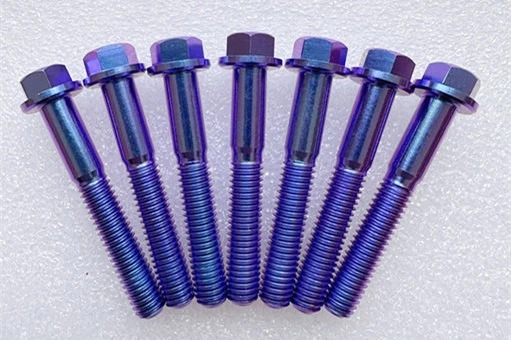
High-Strength Fasteners and Hardware
Grade 5 titanium bar is commonly machined into bolts, pins, threaded parts, and custom hardware for applications requiring higher strength and lower weight.
Packaging and Transportation
- Packing varies with bar length and transport type. Short bars are bundled, and long bars are fixed separately.
- Surface protection is applied to reduce handling damage. Export orders are usually packed in wooden cases.
- Each package is labeled with grade, size, and heat number before shipment.
- Shipping terms are arranged per order. EXW, FOB, or CIF can be discussed.
- Please advise any special requirements in advance.


Coordinated Titanium Bar Processing
Material grade, forging or rolling route, annealing, straightening, cutting, and surface condition are coordinated according to the order requirements. This helps keep specifications consistent from quotation through delivery.
Consistent Quality
Each production batch follows a defined processing route and is tracked by heat number.
Test data is recorded for the actual batch produced, not referenced from previous orders.Mill Test Certificates are issued based on real inspection results, ensuring material consistency across shipments.
Sizes Matched to Machining Needs
Diameter, cut length, machining allowance, tolerance, and surface condition are confirmed before production or shipment, helping reduce unnecessary machining and material sorting.
Communication That Saves Time
We work directly with international buyers and are familiar with common points of confusion, such as tolerance definitions, standards, and delivery timing. Rather than leaving details open, we confirm key points early to keep the order process practical and predictable.
FAQ
Q1: How is the straightness of Grade 5 titanium rods tested?
A: Straightness testing is performed after straightening and final surface treatment, using the effective length specified in the order. For Grade 5 titanium rods, the focus is on the stability of the rod during processing and under stress, rather than achieving perfect visual straightness.
Q2: How does the corrosion resistance of Grade 5 titanium compare to Grade 2 titanium?
A: Grade 5 titanium performs well in most industrial environments, but it is typically chosen for its strength rather than its corrosion resistance. If corrosion is the primary consideration, many customers still prefer Grade 2 titanium. Grade 5 titanium is only chosen when mechanical properties cannot be compromised.
Q3: Can you provide non-standard or custom lengths of titanium rods?
A: Yes. Lengths can be adjusted according to your processing plan or drawings. For Grade 5 titanium rods, length tolerances are usually discussed in advance to reduce unnecessary cutting and material waste during processing.
Q4: Is Grade 5 titanium suitable for CNC machining?
A: Yes. The surface condition and straightness control support stable turning, milling, and drilling operations.
Product testing certificate


We Are Here For You
No. 107, Gaoya Industrial Park, High-Tech Zone, Baoji City, Shaanxi Province, China
Hot Tags: Gr5 Titanium Bar, China Gr5 Titanium Bar manufacturers, suppliers, factory


