


Electrolysis Titanium Anode
Your Professional Electrolysis Titanium Anode Manufacturer!
Founded in 2010, Baoji Zhongxinbao Metal Materials Co., Ltd. is a professional manufacturer and exporter of titanium products, located in Baoji, China's "Titanium Valley." We specialize in titanium bars, plates, tubes, and MMO anodes. With an in-house production facility and rich export experience, our products meet ASTM, ASME standards and are exported to over 30 countries worldwide.


Why Choose Us
Rich Experience
With over 15 years of titanium manufacturing experience in Baoji, we supply a full range of industrial-grade titanium materials tailored to demanding environments.
Advanced Equipment
Our facility is equipped with over 30 key production and testing machines, ensuring consistent product performance and long-term durability.
Professional Team
Our team collaborates regularly with clients in the aerospace, medical, and chemical industries to meet exacting tolerances, specialized alloy requirements, and accelerated lead time expectations.
Custom Service
We specialize in delivering customized titanium alloy solutions tailored to the needs of demanding industries, and we support OEM/ODM production based on technical drawings.
Product Parameter
|
Substrate |
Grade 1 Titanium |
|
Coating Type |
Ir–Ta MMO / Ir–Ru MMO |
|
Coating Thickness |
4–10 μm |
|
Voltage Range |
3.0–6.0 V |
|
Current Density |
50–1000 A/m² |
|
Current Efficiency |
≥88% @ 300 A/m² |
|
Anode Lifetime |
2.5 years @ 6h/day |
|
Size Range |
100×200 mm to 600×1200 mm (customizable) |
|
Connection Options |
Clamp, threaded rod, bolted terminal, or slot rail |
Advantages Of Electrolysis Titanium Anode
High corrosion resistance
Titanium anodes maintain relatively stable performance in acidic, alkaline, and electrolyte environments containing strong oxidants and strong corrosive ions (such as chloride ions).
High product purity
Titanium anodes can overcome the problem of dissolution of some traditional anodes (such as graphite anodes and lead anodes), thereby improving the purity of hydrogen and oxygen.
High electrocatalytic activity
Titanium anodes significantly reduce the overpotential of electrode reactions such as oxygen evolution and hydrogen evolution. With the same electrical energy input, more hydrogen and oxygen are produced.
Reduce energy consumption
Since titanium anodes can reduce the overpotential of electrode reactions. This not only reduces the cost of hydrogen production by electrolysis of water, but also makes it more competitive in the energy market.
Customizability
Titanium anodes can be customized in terms of size, shape, and coating composition to meet the specific requirements of different electrolysis systems. Whether used in small-scale laboratory setups or large industrial-scale electrolyzers, titanium anodes can be tailored to maximize performance in each application. The ability to apply various coatings, such as platinum, iridium, or MMO, further enhances the flexibility and performance of titanium anodes in different electrolytic environments.
Eco-Friendly nature
Titanium anodes do not degrade into harmful substances, making them a more sustainable and eco-friendly option compared to other materials like lead or graphite. They do not leach toxic metals into the electrolyte, contributing to cleaner and safer industrial practices. Moreover, titanium is highly recyclable, and old titanium anodes can be repurposed or reused, further reducing their environmental footprint.
Applications of Electrolysis Titanium Anode
Water Treatment
In water treatment, the purity of the anode material directly impacts the quality of the treated water. Titanium anodes do not release harmful ions into the solution, ensuring that the water remains pure and contaminant-free. This makes titanium a reliable choice for electrolysis in water purification and wastewater treatment systems.
Chlorine Production
The stability and efficiency of anode materials are crucial for chlorine production. Titanium anodes offer the stability required to sustain the high current densities required for chlorine electrolysis, making them an ideal choice for this application.
Metal Refining and Electroplating
In the metal refining and electroplating industries, titanium anodes offer stable performance and withstand the wear and tear common to other metals. Their durability ensures consistent and efficient electroplating processes over time.

Types of Electrolysis Titanium Anode
Titanium Anode for Ionizers
Our Titanium Anode for Ionizers is specifically designed for use in ionizing water systems. These anodes are coated with a special catalyst that enhances the efficiency of the electrolysis process. In desalination, ionizers can be used to separate ions in the water, allowing for more effective removal of salt and other impurities. The unique design of our titanium anode for ionizers ensures a long service life and high performance in saltwater environments.
Titanium Anode for Hydrogen - Rich Water Devices
The Titanium Anode for Hydrogen - Rich Water Devices is another type of anode that can be used in desalination applications. Although its primary function is to produce hydrogen - rich water, it can also contribute to the desalination process. During electrolysis, the anode generates hydrogen gas, which can react with certain impurities in the water, reducing their concentration. The anode's high - quality coating and construction make it suitable for continuous operation in saltwater desalination systems.
Compact Electrolysis Titanium Anode
Our Compact Electrolysis Titanium Anode is designed for applications where space is limited. In desalination plants, especially those with modular or mobile designs, the compact size of these anodes is a significant advantage. Despite their small size, these anodes offer high current density and excellent corrosion resistance, making them ideal for efficient desalination in a compact footprint.
Safety precautions when using electrolytic titanium anode


Pre - installation Checks
Before you even think about installing the electrolysis titanium anode, you've got to do some checks. First off, inspect the anode for any visible damage. Look for cracks, scratches, or any signs of corrosion on the surface. A damaged anode can not only affect the efficiency of the electrolysis process but also pose a safety risk. If you spot any issues, don't use it!
Also, make sure that the anode is the right size and type for your specific application. Using an incorrect anode can lead to overheating, short - circuits, or other dangerous situations.
Installation Safety
When it comes to installing the electrolysis titanium anode, safety should be your top priority. Wear appropriate personal protective equipment (PPE), like gloves and safety glasses. Gloves will protect your hands from any sharp edges on the anode or from coming into contact with any chemicals during the installation process. Safety glasses are a must to prevent any debris or splashes from getting into your eyes.
Electrical Safety
Electrolysis involves the use of electricity, so electrical safety is super important. Make sure that the power supply is turned off before you start working on the anode. This includes both the main power switch and any circuit breakers related to the electrolysis system.
Check the electrical connections regularly. Loose or faulty connections can lead to arcing, which is not only a fire hazard but can also damage the anode. Use insulated tools when working on the electrical components to avoid electric shocks.
Another thing to keep in mind is the voltage and current settings. Don't exceed the recommended values for the anode. Overloading the anode with too much voltage or current can cause it to overheat, which can lead to a breakdown of the anode coating and potentially release harmful substances into the electrolyte.
Chemical Safety
In many electrolysis applications, chemicals are used in the electrolyte solution. These chemicals can be hazardous, so you need to handle them with care. Read the safety data sheets (SDS) for all the chemicals you're using. The SDS will provide information on the hazards, handling procedures, and emergency response measures for each chemical.
Store chemicals in a cool, dry, and well - ventilated area. Keep them away from sources of heat, sparks, or open flames. When mixing chemicals, follow the correct procedures. Add chemicals slowly and in the right order to avoid violent reactions.
Ventilation
Proper ventilation is crucial when using electrolysis titanium anodes. During the electrolysis process, gases may be produced. Some of these gases, like hydrogen, are highly flammable, while others may be toxic. Make sure that the area where the electrolysis is taking place is well - ventilated.
Maintenance and Monitoring
Regular maintenance and monitoring of the electrolysis titanium anode are essential for safety. Check the anode regularly for signs of wear and tear. Look for any changes in the appearance of the anode, such as discoloration or peeling of the coating. If you notice any issues, replace the anode as soon as possible.
Monitor the temperature of the anode and the electrolyte. Overheating can be a sign of a problem, such as a short - circuit or an overloaded system. Use temperature sensors to keep track of the temperature and set up alarms if the temperature exceeds the recommended range.
Emergency Preparedness
Even if you take all the necessary safety precautions, accidents can still happen. So, it's important to be prepared for emergencies. Have a first - aid kit on hand in case of any minor injuries. Make sure that all the people working with the electrolysis system know the location of the first - aid kit and how to use it.
Packaging & Shipping
|
Packaging |
Wrapped by proctective film; |
|
Packed by standard import & export wooden cases or carton boxes. |

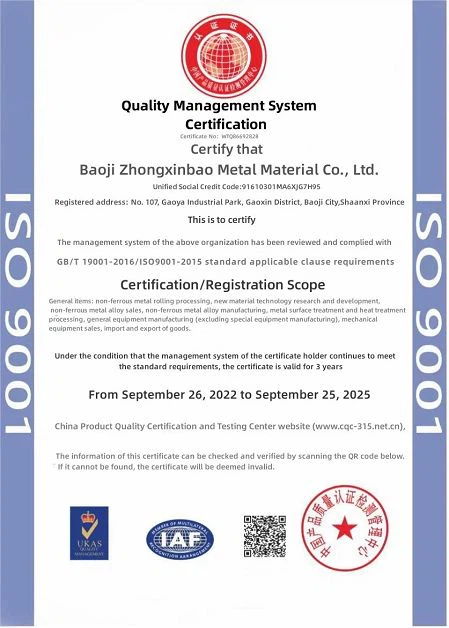
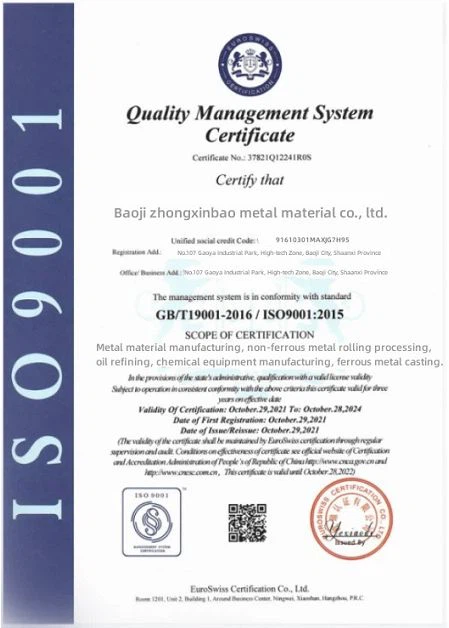
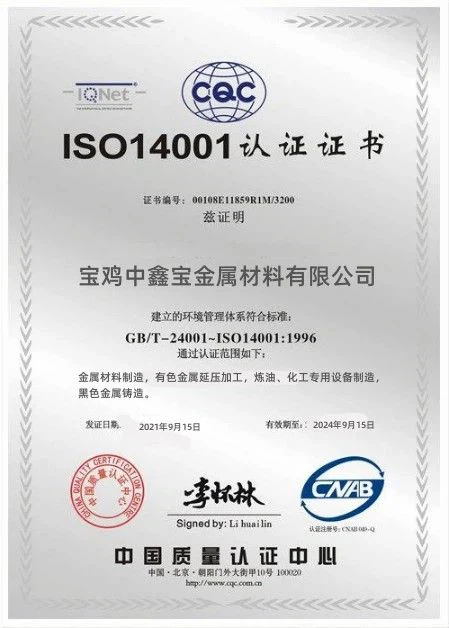
Our Certificates
FAQ
As one of the most professional electrolysis titanium anode manufacturers and suppliers in China, we're featured by quality products and good price. Welcome to buy electrolysis titanium anode for sale here and get pricelist from our factory. Also, customized service is available.
Low Energy Loss Water Electrolysis Titanium Anode, electrolysis titanium anode, Titanium Anode For Hydrogen Rich Water Devices