


Before an MMO coating is applied, the titanium substrate needs to be prepared. This step is easy to overlook when discussing anodes, but it has a direct effect on the condition of the surface that receives the coating.
Oil, oxide, embedded particles, and uneven surface conditions can all create problems during later processing. The preparation route also needs to suit the substrate shape. A titanium plate, expanded mesh, and tubular anode do not always need exactly the same handling.
For an MMO titanium anode, substrate preparation is not just a cleaning step. It is part of the process used to create a suitable base for coating application and to keep production results consistent.
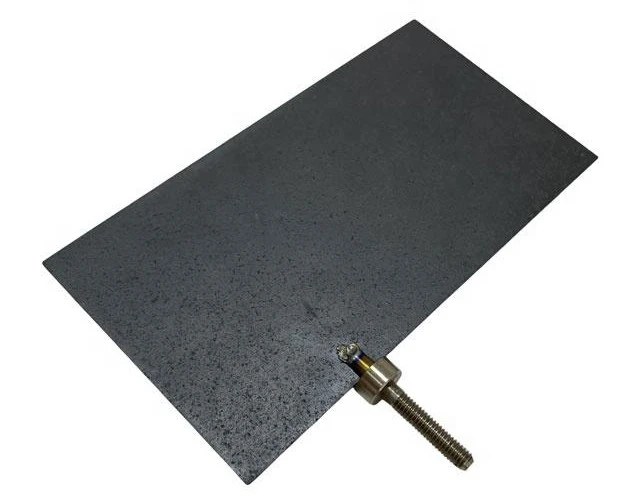
1. Start With the Condition of the Titanium Substrate
Preparation starts with the incoming titanium material. The substrate should be checked for its material grade, dimensions, surface condition, and visible defects before further treatment.
Rolling marks, scratches, burrs, weld areas, and local deformation may affect how the surface is treated. Some marks can be removed during preparation. Deeper defects may need to be reviewed first, especially when the finished anode has tight dimensional requirements.
The shape also matters. Mesh has many edges and openings. Tubes have an inner and outer surface. Plates are easier to access, but their flatness and edges still need attention. A preparation process that works well for one form may not be suitable for another.
2. Remove Oil and Other Surface Contamination
Degreasing is usually an early step. It removes oil, grease, fingerprints, and workshop residues that may remain after cutting, forming, welding, or machining.
If these materials remain on the titanium, later surface treatment may become uneven. Contamination can also interfere with the contact between the coating process and the substrate. For this reason, cleaning should be treated as a separate operation, not something that can be left to the next stage.
The cleaning method and rinsing requirements depend on the production route. The important point is that cleaning agents and loose residues should not be carried into the following treatment stages.
3. Control Surface Roughening and Etching
After cleaning, the titanium surface may go through mechanical and chemical treatment. The exact combination depends on the coating system, substrate form, and manufacturer's process.
Mechanical surface treatment
Abrasive treatment may be used to remove surface scale or unwanted layers and to create a more consistent surface texture. The aim is not to make the titanium as rough as possible. The surface needs to be suitable for the next process, without unnecessary damage or loss of dimensional accuracy.
For mesh and thin parts, treatment needs particular care. Excessive force or unsuitable abrasive conditions may deform the substrate or affect fine sections.
Chemical etching
Chemical treatment can remove surface oxides and expose a cleaner titanium surface. It also changes the surface condition in a way that supports the following coating process.
Etching conditions should be controlled. Too little treatment may leave unwanted surface layers. Excessive treatment may attack the substrate or change dimensions. The required process is therefore set according to the material and product design, rather than using one fixed recipe for every anode.

4. Why Preparation Affects the Final MMO Coating
A prepared surface gives the coating process a more consistent starting point. This can affect several parts of the finished anode.
- Coating adhesion: Surface contamination or an unsuitable surface condition may create weak areas. Proper preparation helps provide a suitable base for the coating, although adhesion also depends on coating materials and process control.
- Coating coverage: A more consistent substrate condition can help reduce local differences during coating application. Geometry and access to the surface remain important, especially for mesh and tubular products.
- Batch consistency: When the same preparation requirements are followed from batch to batch, the coating process is easier to control and compare.
- Substrate condition: Preparation must remove unwanted surface layers without damaging the titanium or changing important dimensions beyond the agreed limits.
It is worth keeping one point clear: good substrate preparation does not by itself guarantee the service life of an MMO anode. Coating composition, coating loading, application conditions, thermal treatment, and the actual operating environment also matter.
5. What Should Be Checked Before Coating Starts?
Before coating application, the prepared substrate should be checked against the product requirements. The inspection does not need to become complicated, but it should cover the points that can affect the next stage.
- Surface condition: Check for visible oil, stains, loose particles, scale, and remaining defects.
- Surface uniformity: Look for obvious differences between areas or between pieces in the same batch.
- Dimensions and shape: Confirm that preparation has not affected critical dimensions, flatness, mesh openings, or tube geometry.
- Cleanliness after treatment: Make sure residues from the previous process have been removed before coating.
- Handling and storage: Protect the prepared surface from fingerprints, dust, oil, and unnecessary contact before coating begins.
The inspection points can be adjusted for the product. For example, a mesh anode may need attention to its openings and edges, while a tubular anode may require checks on both the inner and outer surfaces where coating is specified.

6. Discuss Substrate Preparation When Ordering Custom MMO Anodes
For a custom anode, it is useful to confirm the substrate details before production. The drawing should show the basic dimensions, shape, connection details, and any areas that must remain uncoated. The required titanium grade and the intended application should also be shared.
ZXB can review custom substrate forms such as plates, mesh, and tubes, together with the required dimensions and coating application. If the project has specific inspection or surface requirements, these should be discussed before the production route is confirmed.
Customers do not always need to specify every preparation step. In many cases, it is more practical to provide the drawing, operating conditions, and acceptance requirements, then confirm the suitable manufacturing details with the supplier.
Frequently Asked Questions
Q1: Does titanium substrate preparation affect MMO coating adhesion?
A: Yes. A clean and suitably treated surface helps provide a better base for coating application. However, adhesion also depends on the coating system and the control of later manufacturing steps.
Q2: Is a rougher titanium surface always better for MMO coating?
A: No. The goal is a suitable and consistent surface condition, not maximum roughness. Excessive treatment may damage the substrate or affect its dimensions.
Q3: Why does the titanium substrate need degreasing before coating?
A: Oil, grease, and handling residues can interfere with surface treatment and coating application. Degreasing removes these contaminants before the next process.
Q4: Are mechanical treatment and chemical etching both required?
A: Not necessarily. The preparation route depends on the substrate, coating system, and manufacturer's process. The two methods may be used together, but there is no single route for every product.
Q5: Does substrate preparation change the dimensions of a titanium anode?
A: It can remove a small amount of material or affect fine features if not properly controlled. Critical dimensions should be considered before treatment and checked again when required.
Q6: Does good surface preparation guarantee a longer MMO anode life?
A: No. It is one important part of manufacturing quality, but service life also depends on coating composition, loading, operating current, electrolyte, temperature, and other service conditions.
Contact ZXB
If you are sourcing custom MMO titanium anodes, send ZXB your drawing, required dimensions, substrate form, and application details. The team can review the product requirements and discuss a suitable manufacturing route.
Email: jack@zxb-titanium.com
Recommended Reading
What Determines the Coating Adhesion of MMO Titanium Anodes?