





As a supplier of titanium anodes for cathodic protection, I often receive inquiries about the suitable pH range for these anodes. Cathodic protection is a technique used to control the corrosion of a metal surface by making it the cathode of an electrochemical cell. Titanium anodes play a crucial role in this process, and understanding the appropriate pH range is essential for their optimal performance and longevity.
The Basics of Titanium Anodes in Cathodic Protection
Titanium anodes are widely used in cathodic protection systems due to their excellent corrosion resistance, high electrical conductivity, and long service life. They are typically coated with precious metals or metal oxides to enhance their electrochemical properties. These coatings facilitate the efficient transfer of electrical current, which is necessary to protect the metal structure from corrosion.
The performance of a titanium anode in cathodic protection is influenced by several factors, including the pH of the electrolyte. The pH value indicates the acidity or alkalinity of a solution, and it can significantly affect the electrochemical reactions occurring at the anode surface.
The Impact of pH on Titanium Anodes
Acidic Environments (pH < 7)
In acidic solutions, the corrosion rate of metals generally increases. However, titanium anodes are known for their good resistance to acid corrosion. The passive oxide layer on the titanium surface provides a protective barrier that prevents the metal from reacting with the acid.
At low pH values, the main electrochemical reaction at the anode is the evolution of oxygen gas. The reaction can be represented as follows:
[2H_2O \rightarrow O_2 + 4H^+ + 4e^-]
This reaction is essential for the cathodic protection process, as it helps to maintain the electrical current flow. However, extremely low pH values can cause the dissolution of the anode coating. For example, in highly concentrated hydrochloric acid solutions, the precious metal coating on the titanium anode may start to dissolve, reducing its effectiveness and lifespan.
Most titanium anodes can operate effectively in slightly acidic environments with a pH range of 3 - 6. For instance, in some industrial wastewater treatment applications where the water has a slightly acidic pH, Ru-Ir Coated Titanium Anode Tube can be a suitable choice. The ruthenium - iridium coating provides good catalytic activity and corrosion resistance in such conditions.
Neutral Environments (pH = 7)
Neutral solutions are generally considered ideal for the operation of titanium anodes. In a neutral electrolyte, the electrochemical reactions are relatively stable, and the anode can maintain a consistent performance.
The oxygen evolution reaction still occurs at the anode surface, but the rate is more moderate compared to acidic environments. The passive oxide layer on the titanium remains intact, providing long - term protection to the metal substrate. Titanium anodes can operate efficiently in neutral water bodies, such as fresh water in cooling systems or some underground pipelines where the soil has a near - neutral pH.
Alkaline Environments (pH > 7)
In alkaline solutions, the corrosion behavior of titanium anodes is also complex. At moderate alkaline pH values (around 8 - 10), titanium anodes can still perform well. The hydroxide ions in the solution can react with the metal ions on the anode surface to form metal hydroxides, which can further enhance the protective layer.
However, at high alkaline pH values (pH > 12), the passive oxide layer on the titanium may start to dissolve. This can lead to an increase in the corrosion rate of the anode and a decrease in its performance. In such cases, the anode may require special coatings or materials to withstand the harsh alkaline conditions. High - Purity Iridium - Tantalum Coated Titanium Anode Plate is designed to have better resistance in alkaline environments due to the properties of iridium and tantalum coatings.
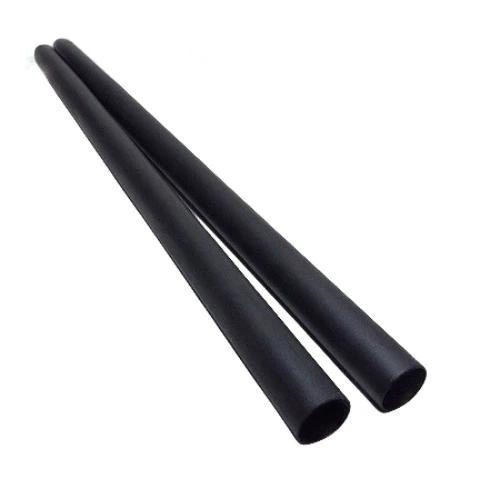

Optimal pH Range for Titanium Anodes
Based on extensive research and practical experience, the optimal pH range for most titanium anodes used in cathodic protection is between 4 and 10. In this range, the anode can maintain a good balance between electrochemical activity and corrosion resistance.
In this pH range, the oxygen evolution reaction occurs smoothly, and the passive oxide layer on the titanium surface remains stable. This ensures a long service life and reliable performance of the anode.
Special Considerations for Different Applications
Marine Applications
In marine environments, the pH of seawater is typically around 7.5 - 8.4. Titanium anodes are well - suited for marine cathodic protection systems, such as protecting ship hulls, offshore platforms, and underwater pipelines. The stable pH of seawater within the optimal range allows the titanium anodes to operate effectively for an extended period.
Mining and Metal Refining
In mining and metal refining processes, the electrolyte can have a wide range of pH values. For example, in copper electrowinning, the electrolyte is often acidic. Copper Electrowinning Titanium Anode is specifically designed to withstand the acidic conditions and provide efficient electrochemical performance during the copper recovery process.
Conclusion
The pH range suitable for a titanium anode for cathodic protection is a critical factor that affects its performance and lifespan. Most titanium anodes can operate effectively in a pH range of 4 - 10. However, the specific application and the characteristics of the electrolyte need to be considered when selecting the appropriate anode.
As a supplier of titanium anodes for cathodic protection, we offer a wide range of products to meet different requirements. Whether you need an anode for a slightly acidic industrial wastewater treatment plant, a neutral cooling system, or a highly alkaline chemical process, we have the right solution for you.
If you are interested in our titanium anodes or have any questions about the suitable pH range for your specific application, please feel free to contact us for further discussion and procurement negotiation. We are committed to providing high - quality products and professional technical support to ensure the success of your cathodic protection projects.
References
- Jones, D. A. (1996). Principles and Prevention of Corrosion. Prentice Hall.
- Fontana, M. G. (1986). Corrosion Engineering. McGraw - Hill.
- Revie, R. W. (Ed.). (2011). Uhlig's Corrosion Handbook. Wiley.