



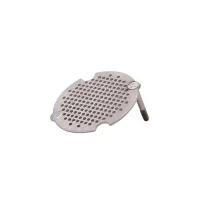


Hey there! As a supplier of Titanium - Based Lead Dioxide Anodes, I've seen firsthand how the composition of these anodes can have a huge impact on their properties. In this blog, I'm gonna break down how different elements in the composition play a role and what it all means for the performance of the anode.
Let's start with the basics. Titanium is the base material for these anodes. It's an excellent choice because it's highly corrosion - resistant. When we talk about corrosion resistance, we're referring to the ability of the material to withstand chemical attacks in different environments. Titanium forms a passive oxide layer on its surface when exposed to oxygen, which acts as a protective barrier. This layer prevents the titanium from reacting with other substances in the electrolyte, ensuring the anode's long - term stability.
Now, let's add lead dioxide (PbO₂) to the mix. Lead dioxide is the active component of the anode. It has high electrocatalytic activity, which means it can speed up the electrochemical reactions that occur at the anode surface. For example, in water treatment applications, lead dioxide can facilitate the oxidation of various contaminants. When we have a Titanium - Based Lead Dioxide Anode, the lead dioxide is coated onto the titanium substrate. This coating is crucial because it determines how well the anode will perform in different electrochemical processes.
One of the key factors in the composition is the thickness of the lead dioxide coating. If the coating is too thin, it might wear off quickly during operation. This can lead to a decrease in the anode's performance and a shorter lifespan. On the other hand, if the coating is too thick, it can cause problems like cracking. Cracks in the coating can expose the titanium substrate to the electrolyte, which can lead to corrosion of the titanium and ultimately, failure of the anode. So, finding the right coating thickness is a bit of a balancing act.
Another aspect of the composition is the purity of the lead dioxide. High - purity lead dioxide can offer better electrocatalytic activity. Impurities in the lead dioxide can interfere with the electrochemical reactions, reducing the anode's efficiency. For instance, if there are metal impurities in the lead dioxide, they might react with the electrolyte or other substances in the system, causing unwanted side reactions.
The crystal structure of the lead dioxide also matters. Different crystal structures can have different electrochemical properties. For example, the β - PbO₂ structure is known for its high electrocatalytic activity and stability. By controlling the deposition process of the lead dioxide on the titanium substrate, we can influence the crystal structure that forms. This is important because a well - structured lead dioxide coating can enhance the anode's performance and durability.
Now, let's talk about some of the applications where the composition of the Titanium - Based Lead Dioxide Anode really makes a difference. One of the most common applications is in water treatment. In desalination plants, these anodes are used to remove salts and other contaminants from water. The Desalination Plant Titanium Anode needs to be able to withstand the harsh conditions in the desalination process, including high salt concentrations and the presence of various chemicals. The composition of the anode, especially the quality of the lead dioxide coating, can determine how well it performs in this environment.
In the fruit and vegetable industry, Titanium Anode for Fruit and Vegetable Machine is used for disinfection. The anode needs to be able to generate reactive oxygen species and other disinfectants efficiently. The electrocatalytic activity of the lead dioxide coating is crucial here. A well - composed anode can ensure effective disinfection while maintaining a long service life.


When it comes to the overall performance of the Titanium - Based Lead Dioxide Anode, the composition also affects its electrical conductivity. A good electrical conductivity is essential for efficient electrochemical processes. If the anode has poor conductivity, it can lead to higher energy consumption and lower performance. The composition of the lead dioxide coating and the interface between the titanium substrate and the coating can influence the electrical conductivity.
Let's also consider the mechanical properties of the anode. The composition can affect how well the anode can withstand mechanical stress. For example, in some applications, the anode might be subject to vibrations or impacts. A well - composed anode with a strong and well - adhered lead dioxide coating can better withstand these mechanical forces without delamination or cracking.
In addition to the lead dioxide and titanium, sometimes other elements are added to the composition to improve certain properties. For example, small amounts of other metals or metal oxides can be added to enhance the electrocatalytic activity or the corrosion resistance of the anode. These additives can modify the surface properties of the lead dioxide coating and improve its performance in specific applications.
As a supplier of Titanium - Based Lead Dioxide Anode, I understand the importance of getting the composition right. We spend a lot of time and effort in our R & D to optimize the composition of our anodes. We test different formulations and deposition techniques to ensure that our anodes offer the best performance and durability.
If you're in the market for Titanium - Based Lead Dioxide Anodes, you need to consider the composition carefully. A well - composed anode can save you money in the long run by reducing energy consumption, extending the service life, and improving the overall efficiency of your electrochemical processes. Whether you're in the water treatment industry, the food industry, or any other field that requires high - performance anodes, the composition of the anode can make a big difference.
If you're interested in learning more about our Titanium - Based Lead Dioxide Anodes or have any questions about their composition and performance, don't hesitate to reach out. We're here to help you find the best anode solution for your specific needs.
References:
- Bard, A. J., & Faulkner, L. R. (2001). Electrochemical Methods: Fundamentals and Applications. Wiley.
- Conway, B. E. (1999). Electrochemical Supercapacitors: Scientific Fundamentals and Technological Applications. Kluwer Academic Publishers.