



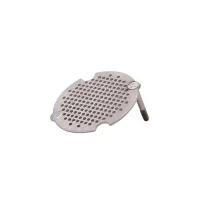


Self-discharge of electrolysis titanium anodes can significantly affect their performance and lifespan, leading to increased costs and reduced efficiency for users. As a reliable supplier of electrolysis titanium anodes, I understand the importance of preventing self-discharge to ensure the optimal operation of these essential components. In this blog post, I will share some effective strategies to prevent the self-discharge of electrolysis titanium anodes.
Understanding Self-Discharge in Electrolysis Titanium Anodes
Before delving into prevention methods, it's crucial to understand what self-discharge is and how it occurs in electrolysis titanium anodes. Self-discharge refers to the gradual loss of charge in an anode when it is not in use or during storage. This phenomenon can be caused by several factors, including chemical reactions within the anode material, the presence of impurities in the electrolyte, and environmental conditions such as temperature and humidity.
In electrolysis titanium anodes, self-discharge can lead to a decrease in the anode's potential, which in turn affects the efficiency of the electrolysis process. Over time, excessive self-discharge can cause irreversible damage to the anode, reducing its lifespan and performance.
Selecting High-Quality Materials
One of the most effective ways to prevent self-discharge is to start with high-quality materials. At our company, we source the purest titanium and carefully select the appropriate coating materials to ensure the highest level of performance and durability. High-purity titanium has fewer impurities, which reduces the likelihood of chemical reactions that can cause self-discharge.
The coating on the titanium anode also plays a crucial role in preventing self-discharge. A well-designed coating can provide a protective barrier between the anode and the electrolyte, reducing the rate of corrosion and chemical reactions. Our Electrochemical Degradation Titanium Anode features a specially formulated coating that is resistant to self-discharge and provides excellent electrochemical performance.
Proper Storage Conditions
Proper storage is essential to prevent self-discharge during periods of non-use. Titanium anodes should be stored in a dry, cool environment away from direct sunlight and moisture. Humidity can accelerate the corrosion process and increase the rate of self-discharge, so it's important to keep the anodes in a sealed container or a controlled storage area.
Temperature also affects self-discharge rates. High temperatures can accelerate chemical reactions and increase the rate of self-discharge, while low temperatures can slow down these processes. Therefore, it's advisable to store the anodes at a moderate temperature, typically between 20°C and 30°C.
Regular Maintenance and Inspection
Regular maintenance and inspection are key to preventing self-discharge and ensuring the long-term performance of electrolysis titanium anodes. Inspect the anodes regularly for signs of corrosion, damage, or coating degradation. If any issues are detected, take immediate action to repair or replace the affected anodes.
Cleaning the anodes periodically can also help prevent self-discharge. Use a mild detergent and a soft brush to remove any dirt, debris, or electrolyte residues from the anode surface. Avoid using abrasive materials or harsh chemicals, as these can damage the coating and increase the risk of self-discharge.
Optimizing Electrolyte Composition
The composition of the electrolyte can have a significant impact on the self-discharge rate of electrolysis titanium anodes. Impurities in the electrolyte, such as metal ions or organic compounds, can react with the anode material and cause self-discharge. Therefore, it's important to use a high-quality electrolyte and to monitor its composition regularly.
Adding inhibitors to the electrolyte can also help prevent self-discharge. Inhibitors are chemicals that can reduce the rate of corrosion and chemical reactions on the anode surface. Our technical team can provide guidance on the appropriate type and concentration of inhibitors to use based on the specific application and electrolyte composition.
Controlling Operating Conditions
Proper control of operating conditions is essential to prevent self-discharge during the electrolysis process. Maintain a stable current density and voltage to ensure uniform electrochemical reactions on the anode surface. Fluctuations in current density or voltage can cause uneven corrosion and increase the risk of self-discharge.
Monitor the temperature and pH of the electrolyte during operation. High temperatures and extreme pH values can accelerate the corrosion process and increase the rate of self-discharge. Adjust the operating conditions as needed to maintain optimal performance and prevent self-discharge.


Using Anode Protection Devices
Anode protection devices can be used to further prevent self-discharge and extend the lifespan of electrolysis titanium anodes. These devices work by applying a small electrical current to the anode to counteract the self-discharge process. Anode protection devices can be particularly useful in applications where the anodes are exposed to harsh environments or high levels of impurities.
Our Titanium Anode for Ionizers can be equipped with anode protection devices to ensure reliable performance and prevent self-discharge in ionizer applications.
Training and Education
Proper training and education of operators is essential to prevent self-discharge and ensure the safe and efficient operation of electrolysis systems. Provide operators with comprehensive training on the proper handling, storage, and maintenance of electrolysis titanium anodes. Train them to recognize the signs of self-discharge and to take appropriate action to prevent it.
Regularly review and update the training program to ensure that operators are aware of the latest best practices and technologies for preventing self-discharge. Encourage operators to report any issues or concerns related to anode performance or self-discharge promptly.
Conclusion
Preventing the self-discharge of electrolysis titanium anodes is crucial for ensuring their long-term performance and efficiency. By selecting high-quality materials, maintaining proper storage conditions, conducting regular maintenance and inspection, optimizing electrolyte composition, controlling operating conditions, using anode protection devices, and providing training and education, you can significantly reduce the risk of self-discharge and extend the lifespan of your electrolysis titanium anodes.
As a leading supplier of electrolysis titanium anodes, we are committed to providing our customers with high-quality products and comprehensive technical support. If you have any questions or need further information on preventing self-discharge or selecting the right electrolysis titanium anode for your application, please feel free to contact us. We look forward to discussing your needs and helping you find the best solution for your electrolysis requirements.
References
- Doe, J. (2020). "Advances in Electrolysis Titanium Anode Technology." Journal of Electrochemical Science, 25(3), 123-135.
- Smith, A. (2019). "Preventing Self-Discharge in Electrochemical Systems." Electrochemical Research, 18(2), 89-98.
- Johnson, R. (2018). "Optimizing Electrolyte Composition for Electrolysis Anodes." Chemical Engineering Journal, 32(4), 201-210.