



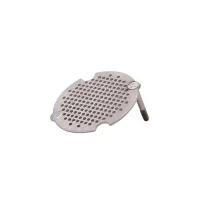


What is the chlorine evolution potential of MMO Coated Titanium Disc Anode?
As a supplier of MMO Coated Titanium Disc Anodes, I am often asked about the chlorine evolution potential of these anodes. This is a crucial topic, especially for industries that rely on the efficient and reliable performance of anodes in electrochemical processes.

Understanding the Basics of MMO Coated Titanium Disc Anodes
MMO (Mixed Metal Oxide) coated titanium disc anodes are widely used in various electrochemical applications due to their excellent properties. The titanium substrate provides high mechanical strength, corrosion resistance, and electrical conductivity. The MMO coating, which typically consists of a mixture of precious metal oxides such as ruthenium, iridium, and others, offers a low over - potential for oxygen and chlorine evolution reactions.
The chlorine evolution potential is a key parameter that determines the energy efficiency and effectiveness of an MMO coated titanium disc anode in applications where chlorine gas is generated. Chlorine evolution is an anodic reaction that occurs in many industrial processes, including water treatment, electroplating, and metal electrowinning.
Factors Affecting Chlorine Evolution Potential
The chlorine evolution potential of an MMO coated titanium disc anode is influenced by several factors.
-
Coating Composition: The type and proportion of metal oxides in the MMO coating play a significant role. For example, ruthenium - based coatings generally have a relatively low chlorine evolution potential. A proper balance of ruthenium and iridium in the coating can optimize the performance of the anode. Iridium can enhance the stability of the coating, while ruthenium helps in reducing the over - potential for chlorine evolution. Our Ruthenium - Iridium Coated Titanium Anode Plate is designed with a precisely formulated coating to achieve an ideal chlorine evolution potential.
-
Coating Thickness: The thickness of the MMO coating affects the catalytic activity and electron transfer rate at the anode surface. A thicker coating may provide more active sites for the chlorine evolution reaction, but it also needs to be carefully balanced. If the coating is too thick, it may lead to increased internal resistance and reduced overall efficiency. Our manufacturing process ensures an optimal coating thickness for the best chlorine evolution performance of our MMO coated titanium disc anodes.
-
Electrolyte Composition: The composition of the electrolyte in which the anode operates has a direct impact on the chlorine evolution potential. The concentration of chloride ions, pH value, and the presence of other ions all influence the reaction kinetics. In an acidic electrolyte with a high concentration of chloride ions, the chlorine evolution reaction is more favorable, and the potential required for the reaction is relatively lower.
-
Temperature: Temperature can affect the kinetics of the chlorine evolution reaction. Generally, an increase in temperature accelerates the reaction rate and reduces the over - potential. However, high temperatures may also cause issues such as coating degradation and increased corrosion of the titanium substrate. Therefore, it is necessary to operate the anode within an appropriate temperature range to maintain its performance and durability.
Measuring Chlorine Evolution Potential
The chlorine evolution potential of an MMO coated titanium disc anode can be measured using an electrochemical cell. A typical three - electrode cell setup is used, which consists of the working electrode (the MMO coated titanium disc anode), a reference electrode (such as a saturated calomel electrode or a silver - silver chloride electrode), and a counter - electrode (usually a platinum electrode).
The cell is filled with an electrolyte solution, and a potentiostat is used to control the potential between the working electrode and the reference electrode. By gradually increasing the potential applied to the anode, the current corresponding to the chlorine evolution reaction can be measured. The potential at which a significant current increase due to chlorine evolution occurs is defined as the chlorine evolution potential.
It is important to note that the measured chlorine evolution potential may vary depending on the experimental conditions, such as the type of electrolyte, temperature, and the surface condition of the anode.
Importance of Chlorine Evolution Potential in Industrial Applications
In many industrial applications, the chlorine evolution potential of an anode has a direct impact on the overall process efficiency and cost.
- Water Treatment: In water treatment plants, chlorine is widely used as a disinfectant. The generation of chlorine gas through the electrolysis of a chloride - containing electrolyte using MMO coated titanium disc anodes is an important process. A lower chlorine evolution potential means less energy is required to produce a given amount of chlorine, resulting in cost savings and increased energy efficiency.
- Metal Electrowinning: In metal electrowinning processes, such as Copper Electrowinning Titanium Anode, chlorine evolution may occur as a side reaction. Controlling the chlorine evolution potential is crucial to minimize the consumption of electrical energy and reduce the formation of by - products. Our anodes are designed to provide a stable and appropriate chlorine evolution potential to ensure the smooth operation of the electrowinning process.
- Electroplating: In electroplating applications, chlorine evolution can affect the quality of the plating layer. By optimizing the chlorine evolution potential of the anode, we can improve the uniformity and adhesion of the plating layer, leading to better product quality.
Our Commitment as a Supplier
As a supplier of MMO Coated Titanium Disc Anodes, we are committed to providing high - quality products with excellent chlorine evolution performance. Our team of experts continuously conducts research and development to improve the coating technology and optimize the anode design.
We use advanced manufacturing processes to ensure consistent coating quality and performance of our anodes. Each anode undergoes strict quality control and testing to meet the highest industry standards.
If you are looking for reliable MMO Coated Titanium Disc Anodes or have any questions about chlorine evolution potential and anode applications, we would be more than happy to help. We invite you to contact us to discuss your specific requirements and start a purchase negotiation. Our goal is to provide you with the best - tailored solutions for your electrochemical processes.
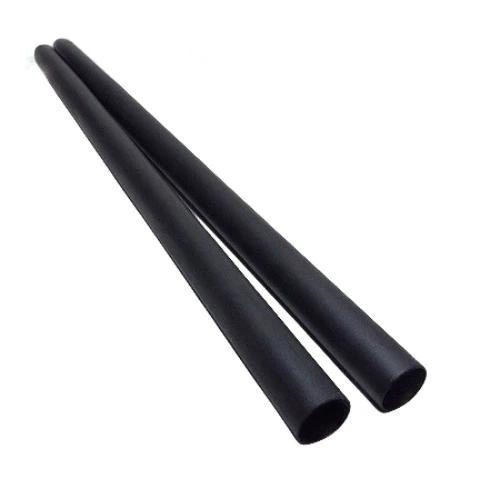
In addition to the MMO Coated Titanium Disc Anodes, we also offer other high - quality products such as Ru - Ir Coated Titanium Anode Tube, which are suitable for different industrial applications.
References
- Conway, B. E. (1999). Electrochemical Supercapacitors: Scientific Fundamentals and Technological Applications. Kluwer Academic/Plenum Publishers.
- Bockris, J. O'M., & Reddy, A. K. N. (1970). Modern Electrochemistry. Plenum Press.
- Milošev, I., & Pihlar, B. (2010). Mixed metal oxide coated titanium anodes. Journal of Applied Electrochemistry, 40(6), 931 - 944.