



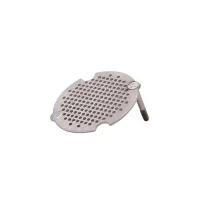


Platinum-coated titanium anodes are widely recognized in various industrial applications due to their unique combination of physical properties. As a supplier of Platinum-Coated Titanium Anode, I am well - versed in the intricacies of these anodes and their physical characteristics.
Physical Appearance
The first aspect that catches the eye is the physical appearance of platinum - coated titanium anodes. The titanium substrate provides a strong and stable base. Titanium is a lightweight metal with a silver - gray color. When coated with platinum, the anode takes on a shiny, metallic luster. The platinum coating is extremely thin, usually in the range of a few micrometers, yet it gives the anode a smooth and uniform surface finish. This smooth surface is not only aesthetically pleasing but also has practical implications. It reduces the resistance to the flow of current, which is crucial in electrochemical processes.
Density
Density is an important physical property that affects the handling and installation of the anode. Titanium has a relatively low density of about 4.5 g/cm³, which makes it lightweight compared to many other metals. The platinum coating, with a density of approximately 21.45 g/cm³, adds some weight to the anode. However, since the coating is very thin, the overall density of the platinum - coated titanium anode remains relatively low. This low density makes the anode easy to handle during installation and reduces the structural load on the equipment in which it is installed. For example, in marine applications where anodes are used for cathodic protection of ships and offshore structures, the lightweight nature of the anode is a significant advantage as it reduces the overall weight of the structure and helps in maintaining buoyancy.
Electrical Conductivity
One of the most critical physical properties of platinum - coated titanium anodes is their excellent electrical conductivity. Platinum is a noble metal known for its high electrical conductivity. When coated on a titanium substrate, it forms a conductive path that allows for efficient transfer of electrons during electrochemical reactions. The titanium substrate also contributes to the overall conductivity. Titanium has good electrical conductivity, although it is not as high as that of platinum. The combination of the two results in an anode that can carry high currents without significant power losses. This high electrical conductivity is essential in applications such as electroplating, where a uniform and high - current density is required to deposit a smooth and even layer of metal on the substrate.
Thermal Conductivity
Thermal conductivity is another important property, especially in applications where the anode is subjected to high temperatures. Platinum has a relatively high thermal conductivity of about 71.6 W/(m·K), while titanium has a thermal conductivity of around 21.9 W/(m·K). The platinum coating on the titanium anode helps in dissipating heat generated during electrochemical reactions. This is crucial in preventing overheating of the anode, which can lead to degradation of the coating and reduced performance. In processes such as electrolysis, where large amounts of heat are generated, the ability of the anode to conduct heat efficiently helps in maintaining a stable operating temperature and prolonging the lifespan of the anode.
Hardness and Wear Resistance
The hardness and wear resistance of platinum - coated titanium anodes are important for their long - term performance. Titanium is a hard and strong metal, providing a durable substrate. The platinum coating further enhances the wear resistance of the anode. Platinum is a relatively hard metal with good resistance to abrasion and corrosion. The combination of the hard titanium substrate and the wear - resistant platinum coating makes the anode suitable for use in harsh environments. For example, in the chemical industry, where anodes are exposed to corrosive chemicals and abrasive particles, the high wear resistance of the platinum - coated titanium anode ensures that it can withstand the harsh conditions and maintain its performance over an extended period.
Corrosion Resistance
Corrosion resistance is perhaps the most well - known property of platinum - coated titanium anodes. Titanium is highly resistant to corrosion due to the formation of a passive oxide layer on its surface. This oxide layer protects the titanium from further corrosion in a wide range of environments, including acidic, alkaline, and saline solutions. The platinum coating adds an extra layer of protection. Platinum is a noble metal that is extremely resistant to corrosion. It does not react with most chemicals and remains stable even in highly corrosive environments. This excellent corrosion resistance makes platinum - coated titanium anodes ideal for use in applications such as cathodic protection of underground pipelines, where they are exposed to soil moisture and various corrosive substances.


Melting Point
The melting point of the anode is an important consideration, especially in applications where high temperatures are involved. Titanium has a high melting point of about 1668 °C, while platinum has an even higher melting point of around 1768 °C. The high melting points of both titanium and platinum ensure that the anode can withstand high temperatures without melting or deforming. This is crucial in processes such as high - temperature electrolysis, where the anode is exposed to extreme heat. The high melting points also make the anode suitable for use in applications where there is a risk of thermal shock, such as in some industrial furnaces.
Comparison with Other Anodes
When comparing platinum - coated titanium anodes with other types of anodes, such as Ruthenium - Iridium Coated Titanium Anode Plate and High - Purity Iridium - Tantalum Coated Titanium Anode Plate, several differences in physical properties can be observed. Ruthenium - iridium coated titanium anodes are known for their high catalytic activity, but they may have slightly different electrical and thermal conductivity properties compared to platinum - coated titanium anodes. High - purity iridium - tantalum coated titanium anodes are also highly corrosion - resistant, but the density and hardness may vary. The choice of anode depends on the specific requirements of the application, such as the type of electrolyte, the required current density, and the operating temperature.
Application - Specific Physical Property Requirements
Different applications have different requirements for the physical properties of platinum - coated titanium anodes. In electroplating, the high electrical conductivity and smooth surface finish are essential to ensure a uniform and high - quality metal deposit. In water treatment applications, where the anode is used for disinfection and removal of contaminants, the corrosion resistance and the ability to generate reactive oxygen species are important. In the field of energy storage, such as in batteries and fuel cells, the electrical conductivity and the ability to withstand high charge - discharge cycles are crucial.
Conclusion
In conclusion, platinum - coated titanium anodes possess a unique combination of physical properties that make them suitable for a wide range of industrial applications. Their low density, excellent electrical and thermal conductivity, high hardness and wear resistance, and outstanding corrosion resistance make them a preferred choice in many electrochemical processes. Whether it is for cathodic protection, electroplating, or water treatment, the physical properties of platinum - coated titanium anodes play a crucial role in their performance and longevity.
If you are interested in learning more about our Platinum - Coated Titanium Anode or have specific requirements for your application, please feel free to contact us for a detailed discussion and to explore the possibility of a purchase. Our team of experts is ready to assist you in finding the best anode solution for your needs.
References
- ASM Handbook Volume 2: Properties and Selection: Nonferrous Alloys and Special - Purpose Materials
- Electrochemical Engineering by John Newman and Karen E. Thomas --Alyea
- Corrosion and Corrosion Control by Mars G. Fontana