


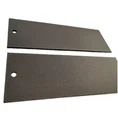
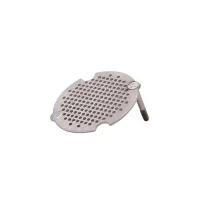


As a supplier of Titanium Anode For Ionizers, I've seen firsthand how important these anodes are in ionizer devices. Titanium anodes are known for their durability and effectiveness, but like any other material, they can corrode. In this blog, I'll discuss the factors that can cause a titanium anode to corrode in an ionizer.
1. Chemical Composition of the Electrolyte
The electrolyte is the solution through which the electrical current passes during the ionization process. The chemical composition of this electrolyte plays a huge role in anode corrosion. If the electrolyte contains high levels of certain aggressive ions, such as chloride ions (Cl-), it can trigger a corrosion reaction. Chloride ions are particularly notorious because they can break down the protective oxide layer on the titanium anode surface.
In an ionizer, the water is usually the main component of the electrolyte. However, if there are impurities like salts in the water, these can introduce more aggressive ions. For example, tap water can have varying levels of chlorine and other salts, which can gradually increase the risk of corrosion. Even a small amount of chloride ions can lead to pitting corrosion, where small holes form on the anode surface. This pitting can then spread and cause more severe damage over time.


2. pH Level of the Electrolyte
The pH level is another key factor. Titanium anodes are relatively stable in a certain pH range. In acidic environments (low pH), titanium can react with the hydrogen ions in the solution. If the pH is too low, the anode may start to dissolve at a faster rate. On the other hand, in highly alkaline conditions (high pH), there can also be issues. The hydroxide ions in an alkaline solution can react with the titanium, leading to the formation of titanium hydroxide compounds, which can eventually cause corrosion.
In most ionizers, the ideal pH range for the electrolyte should be carefully maintained. If the ionizer is used to treat water with a very high or low natural pH, it can put the anode at risk. Regular monitoring of the pH and adjusting it within the appropriate range is crucial to prevent excessive corrosion.
3. Current Density
The amount of electrical current flowing through the anode, known as the current density, has a significant impact on corrosion. When the current density is too high, it can cause overheating and accelerated corrosion. At high current densities, the anode experiences more intense electrochemical reactions, which can break down the anode material faster.
For example, if an ionizer is set to a very high power mode for an extended period, the current density on the titanium anode will increase. This can lead to the formation of hot spots on the anode surface, where the corrosion rate is much higher. To avoid this, it's important to operate the ionizer within the recommended current density range for the specific Titanium Anode For Ionizers being used.
4. Temperature
Temperature is a factor that is often overlooked but can have a big influence on anode corrosion. Higher temperatures generally increase the rate of chemical reactions, including corrosion. In an ionizer, if the electrolysis process generates a lot of heat or if the device is used in a hot environment, the corrosion of the titanium anode can be accelerated.
When the temperature rises, the solubility of the corrosion products in the electrolyte also increases. This means that the protective layer on the anode surface can be more easily removed, exposing the underlying titanium to further corrosion. Additionally, thermal expansion and contraction at high temperatures can cause stress on the anode material, leading to cracks and other forms of damage.
5. Presence of Oxidizing Agents
Oxidizing agents in the electrolyte can also cause titanium anode corrosion. Oxidizing agents, such as hydrogen peroxide or certain metal ions in a high oxidation state, can react with the titanium. These agents have a strong tendency to accept electrons from the anode, which can lead to the oxidation of titanium.
In some ionizers, there may be additives or impurities in the electrolyte that act as oxidizing agents. Even trace amounts of these agents can start a corrosion process. For example, if the water source contains small amounts of iron(III) ions, they can act as an oxidizing agent and contribute to anode corrosion.
6. Mechanical Damage
Physical damage to the anode can also be a cause of corrosion. If the anode is scratched or dented during installation or handling, the protective oxide layer on the surface can be compromised. Once the protective layer is broken, the underlying titanium is exposed to the electrolyte, making it more susceptible to corrosion.
In addition, vibration or movement within the ionizer can cause mechanical stress on the anode. Over time, this stress can lead to the formation of micro - cracks on the anode surface. Corrosion can then start at these crack sites and spread throughout the anode.
7. Anode Coating Quality
Many titanium anodes used in ionizers are coated with special materials to enhance their performance and corrosion resistance. The quality of this coating is crucial. If the coating is not applied evenly or has defects, it can leave areas of the titanium anode exposed to the electrolyte.
For example, if there are pinholes in the coating, the electrolyte can come into direct contact with the titanium at these points. This can initiate corrosion, and the corrosion can then spread under the coating, causing the coating to delaminate over time. Using high - quality Titanium Anode For Ionizers with a well - applied coating is essential to prevent this type of corrosion.
Tips to Prevent Anode Corrosion
- Monitor the electrolyte: Regularly test the electrolyte for chemical composition, pH, and the presence of aggressive ions or oxidizing agents. Make adjustments as needed.
- Control the operating conditions: Keep the current density and temperature within the recommended ranges. Avoid overworking the ionizer by using it at high power for long periods.
- Handle the anode carefully: During installation and maintenance, be gentle with the anode to avoid mechanical damage.
- Choose high - quality anodes: Always opt for anodes with a good coating quality. We offer Low Energy Loss Water Electrolysis Titanium Anode and Titanium Anode for Hydrogen - Rich Water Devices that are designed to have excellent corrosion resistance.
If you're in the market for reliable titanium anodes for your ionizers, feel free to reach out and start a discussion about your specific needs. Understanding the factors that can cause anode corrosion is the first step in making sure your ionizer works effectively and your anode lasts a long time.
References
- Jones, D. A. (1996). Principles and Prevention of Corrosion. Prentice - Hall.
- Uhlig, H. H., & Revie, R. W. (1985). Corrosion and Corrosion Control. Wiley.
- Fontana, M. G. (1986). Corrosion Engineering. McGraw - Hill.