





Storage Conditions for a Titanium Anode for Cathodic Protection
As a leading supplier of titanium anodes for cathodic protection, I understand the crucial role that proper storage conditions play in maintaining the quality and performance of these essential components. In this blog post, I will delve into the specific storage requirements for titanium anodes, highlighting the factors that can affect their integrity and offering practical tips to ensure their longevity.
Understanding the Importance of Proper Storage
Titanium anodes are widely used in cathodic protection systems to prevent the corrosion of metal structures, such as pipelines, storage tanks, and offshore platforms. These anodes are typically made of high-quality titanium substrate coated with a precious metal oxide, such as ruthenium-iridium (Ru-Ir), which provides excellent electrochemical properties and durability.
However, the performance of titanium anodes can be significantly affected by improper storage conditions. Exposure to moisture, humidity, extreme temperatures, and contaminants can lead to corrosion, degradation of the coating, and reduced efficiency of the anode. Therefore, it is essential to store titanium anodes in a controlled environment to maintain their integrity and ensure optimal performance.

Ideal Storage Conditions
The ideal storage conditions for titanium anodes are as follows:
- Temperature: Titanium anodes should be stored in a temperature-controlled environment, preferably between 20°C and 30°C (68°F and 86°F). Extreme temperatures can cause thermal expansion and contraction, which can lead to cracking and damage to the anode.
- Humidity: The relative humidity in the storage area should be kept below 60%. High humidity can cause moisture to condense on the surface of the anode, leading to corrosion and degradation of the coating.
- Ventilation: The storage area should be well-ventilated to prevent the accumulation of moisture and contaminants. Good ventilation can also help to maintain a stable temperature and humidity level.
- Cleanliness: The storage area should be clean and free of dust, dirt, and other contaminants. Contaminants can adhere to the surface of the anode and cause corrosion and degradation of the coating.
- Protection from Physical Damage: Titanium anodes should be stored in a way that protects them from physical damage, such as scratches, dents, and impacts. Anodes should be stored in a rack or on a pallet to prevent them from coming into contact with each other or other objects.
Specific Storage Considerations for Different Types of Titanium Anodes
In addition to the general storage conditions outlined above, there are some specific storage considerations for different types of titanium anodes.
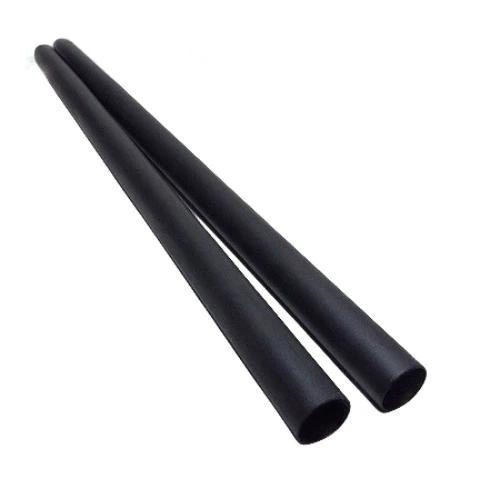
- Ru-Ir Coated Titanium Anode Tube: Ru-Ir Coated Titanium Anode Tube is a popular type of anode used in cathodic protection systems. These anodes should be stored in a vertical position to prevent the coating from cracking or peeling. They should also be protected from direct sunlight and moisture.
- MMO Tubular Titanium Anode: MMO Tubular Titanium Anode is another type of anode used in cathodic protection systems. These anodes should be stored in a horizontal position to prevent the coating from cracking or peeling. They should also be protected from direct sunlight and moisture.
- Ruthenium-Iridium Coated Titanium Anode Plate: Ruthenium-Iridium Coated Titanium Anode Plate is a flat anode used in cathodic protection systems. These anodes should be stored in a flat position to prevent the coating from cracking or peeling. They should also be protected from direct sunlight and moisture.
Tips for Proper Storage
To ensure the proper storage of titanium anodes, the following tips should be followed:
- Inspect the Anodes Regularly: Regularly inspect the anodes for signs of corrosion, damage, or degradation. If any issues are detected, take appropriate action to address them.
- Use Protective Packaging: Use protective packaging, such as plastic bags or cardboard boxes, to protect the anodes from dust, dirt, and moisture.
- Label the Anodes: Label the anodes with the type, size, and date of manufacture to ensure proper identification and tracking.
- Keep a Record of Storage Conditions: Keep a record of the storage conditions, including temperature, humidity, and ventilation, to ensure that the anodes are stored in a controlled environment.
- Follow Manufacturer's Recommendations: Follow the manufacturer's recommendations for storage and handling of the anodes.
Conclusion
Proper storage conditions are essential for maintaining the quality and performance of titanium anodes for cathodic protection. By storing the anodes in a controlled environment, protecting them from physical damage, and following the manufacturer's recommendations, you can ensure their longevity and optimal performance.
If you are in the market for high-quality titanium anodes for cathodic protection, please feel free to contact us for more information. We are a leading supplier of titanium anodes and can provide you with the products and services you need to protect your metal structures from corrosion.
References
- "Cathodic Protection Handbook" by Craig B. Hartt
- "Titanium and Titanium Alloys: Fundamentals and Applications" by Yuri Estrin, Mark A. Gibson, and Easo P. George