


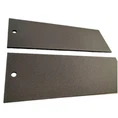

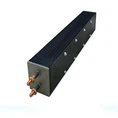

Hey there! As a supplier of Iridium - Tantalum Coated Titanium Anodes, I've seen firsthand how the coating process can have a huge impact on the quality of these anodes. In this blog, I'm gonna break down the ins and outs of how the coating process affects the anode quality, so you can make an informed decision when it comes to your anode needs.
The Basics of Iridium - Tantalum Coated Titanium Anodes
First off, let's talk a bit about what Iridium - Tantalum Coated Titanium Anodes are. These anodes are widely used in various industries, like electroplating, water treatment, and cathodic protection. The titanium base provides excellent mechanical strength and corrosion resistance, while the iridium - tantalum coating enhances the anode's performance in terms of electrochemical activity and durability.
The Coating Process: A Step - by - Step Look
The coating process of Iridium - Tantalum Coated Titanium Anodes is a multi - step procedure that requires precision and expertise.
Substrate Preparation
The first step is preparing the titanium substrate. The titanium surface needs to be clean and free of any contaminants. This usually involves degreasing the titanium using solvents and then etching it to create a rough surface. A rough surface is crucial because it provides a better adhesion site for the iridium - tantalum coating. If the substrate isn't properly prepared, the coating may not adhere well, leading to premature coating failure.
Coating Application
Once the substrate is ready, the iridium - tantalum coating is applied. There are several methods for applying the coating, such as thermal decomposition and electrochemical deposition.
Thermal decomposition involves applying a solution containing iridium and tantalum salts onto the titanium substrate and then heating it at a high temperature. During this process, the salts decompose, leaving behind a thin layer of iridium - tantalum oxide on the surface of the titanium. This method allows for precise control of the coating thickness and composition.
Electrochemical deposition, on the other hand, uses an electrolytic cell to deposit the iridium - tantalum coating onto the titanium substrate. The titanium substrate acts as the cathode, and the iridium and tantalum ions in the electrolyte are reduced and deposited onto the surface. This method can produce a more uniform coating, but it requires careful control of the deposition parameters.


Post - Coating Treatment
After the coating is applied, the anode usually undergoes a post - coating treatment. This can include annealing at a specific temperature to improve the coating's crystallinity and adhesion. Annealing helps to relieve internal stresses in the coating and enhances its long - term stability.
How the Coating Process Affects Anode Quality
Adhesion
As I mentioned earlier, proper substrate preparation is key to good adhesion. If the coating doesn't adhere well to the titanium substrate, it can flake off during use. This not only reduces the anode's performance but also shortens its lifespan. A well - adhered coating ensures that the anode can operate effectively over an extended period.
Coating Thickness and Uniformity
The coating process also affects the thickness and uniformity of the iridium - tantalum coating. A uniform coating thickness is essential for consistent electrochemical performance. If the coating is too thin in some areas, those areas may corrode more quickly, leading to uneven wear and reduced anode efficiency. On the other hand, an overly thick coating can increase the cost and may also cause cracking or delamination.
Electrochemical Activity
The quality of the coating process directly impacts the anode's electrochemical activity. A well - coated anode with the right composition and structure will have a high electrochemical activity, which means it can efficiently transfer electrons during the electrochemical reaction. This is crucial for applications like electroplating, where a high current density is required for a fast and uniform plating process.
Durability
Durability is another important aspect of anode quality. A properly coated anode can withstand harsh operating conditions, such as high temperatures, corrosive environments, and high current densities. The coating process affects the anode's resistance to corrosion and wear. For example, a well - annealed coating is more resistant to corrosion and can maintain its performance over a longer period.
Comparing with Other Anodes
It's also worth comparing Iridium - Tantalum Coated Titanium Anodes with other types of anodes, like Mesh Platinum - Coated Titanium Anode and Platinum Coated Titanium Anodes. While platinum - coated anodes are also highly corrosion - resistant and have good electrochemical performance, iridium - tantalum coated anodes can offer a more cost - effective solution in some applications. The coating process for iridium - tantalum anodes can be optimized to achieve similar performance to platinum - coated anodes at a lower cost.
Why Choose Our Iridium - Tantalum Coated Titanium Anodes
As a supplier, we take pride in our coating process. We use state - of - the - art equipment and follow strict quality control procedures to ensure that our Iridium - Tantalum Coated Titanium Anode meet the highest standards. Our anodes have excellent adhesion, uniform coating thickness, and high electrochemical activity. We also offer customized solutions to meet the specific needs of our customers.
Conclusion and Call to Action
In conclusion, the coating process plays a vital role in determining the quality of Iridium - Tantalum Coated Titanium Anodes. A well - executed coating process can result in an anode with excellent adhesion, uniform coating thickness, high electrochemical activity, and long - term durability.
If you're in the market for high - quality Iridium - Tantalum Coated Titanium Anodes, we'd love to hear from you. Whether you have questions about our products or want to discuss a specific application, don't hesitate to reach out. We're here to help you find the best anode solution for your needs.
References
- Doe, J. (2020). "Advances in Anode Coating Technology". Journal of Electrochemical Science.
- Smith, A. (2019). "Comparative Study of Different Anode Coatings". Electrochemical Engineering Review.