


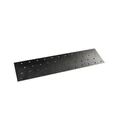


MMO (Mixed Metal Oxide) titanium anodes are essential components in various electrochemical processes, offering high efficiency, long service life, and excellent corrosion resistance. As a leading supplier of MMO titanium anodes, we understand the importance of proper installation to ensure optimal performance. In this blog post, we will provide a comprehensive guide on how to install MMO titanium anodes, covering everything from preparation to post - installation checks.
Preparation
Before starting the installation process, it is crucial to gather all the necessary tools and materials. You will need a set of wrenches, a measuring tape, a level, and appropriate safety equipment such as gloves and goggles. Additionally, make sure you have the correct MMO titanium anode for your specific application. You can explore our wide range of MMO Titanium Anode options to find the one that suits your needs.
Inspect the anode carefully for any signs of damage or defects. Check the dimensions to ensure they match the requirements of your electrolytic cell. If you have ordered an OEM Titanium Anode, verify that it has been customized according to your specifications.
Understanding the Electrolytic Cell
Familiarize yourself with the design and structure of the electrolytic cell where the MMO titanium anode will be installed. Determine the anode's placement and orientation within the cell. Consider factors such as the distance between the anode and cathode, the flow of electrolyte, and the overall electrical configuration.
Measure the available space in the cell to ensure that the anode fits properly. The anode should be positioned in a way that allows for uniform distribution of current and efficient electrochemical reactions.
Mounting the Anode
- Clean the Mounting Surface: Thoroughly clean the surface where the anode will be mounted. Remove any dirt, grease, or oxide layers using a suitable cleaning agent. A clean mounting surface ensures good electrical contact and prevents corrosion.
- Position the Anode: Place the anode in the designated location within the electrolytic cell. Use a level to ensure that the anode is perfectly horizontal or vertical, depending on the cell design. This helps to maintain a consistent electrical field and prevent uneven wear.
- Secure the Anode: Use appropriate fasteners, such as bolts or clamps, to secure the anode in place. Make sure the fasteners are tightened evenly to avoid any stress on the anode. Over - tightening can cause damage to the anode, while under - tightening may result in poor electrical contact.
Electrical Connection
- Select the Right Conductors: Choose electrical conductors that are suitable for the current and voltage requirements of your system. Copper cables are commonly used due to their high conductivity. Ensure that the conductors are of the appropriate size to handle the electrical load.
- Connect the Anode: Connect the anode to the positive terminal of the power supply. Use proper connectors and terminals to ensure a secure and reliable electrical connection. Inspect the connections for any signs of loose wires or poor contact.
- Insulate the Connections: To prevent short - circuits and electrical hazards, insulate the electrical connections using insulating tape or heat - shrink tubing. This helps to protect the connections from moisture and other environmental factors.
Electrolyte Filling
- Prepare the Electrolyte: Follow the manufacturer's instructions to prepare the electrolyte solution. The composition and concentration of the electrolyte depend on the specific electrochemical process. Make sure the electrolyte is free from impurities and contaminants.
- Fill the Cell: Slowly pour the electrolyte into the electrolytic cell, taking care not to splash or spill. Fill the cell to the appropriate level, leaving enough space for expansion.
- Check for Leaks: After filling the cell, check for any leaks around the anode and other connections. If any leaks are detected, immediately stop the filling process and address the issue.
Initial Testing
- Power On: Once the anode is installed and the electrolyte is filled, power on the system. Start with a low current and gradually increase it to the desired operating level. Monitor the system closely for any abnormal behavior, such as excessive heat or voltage fluctuations.
- Measure the Current and Voltage: Use a multimeter to measure the current and voltage across the anode. Compare the measured values with the expected values based on the system design. If there are significant deviations, investigate the cause and make the necessary adjustments.
- Check for Gas Evolution: In many electrochemical processes, gas evolution occurs at the anode. Observe the anode for the production of gases such as oxygen or chlorine. The rate and appearance of gas evolution can provide valuable information about the performance of the anode.
Post - Installation Checks
- Inspect the Anode: Regularly inspect the anode for any signs of wear, corrosion, or damage. Check the surface of the anode for discoloration or pitting. If any issues are detected, take appropriate measures to address them, such as replacing the anode or adjusting the operating conditions.
- Monitor the System Performance: Continuously monitor the performance of the electrolytic cell, including the current efficiency, product quality, and energy consumption. Keep a record of the operating parameters and any changes in the system over time.
- Maintain the System: Follow a regular maintenance schedule to ensure the long - term performance of the MMO titanium anode. This may include cleaning the anode, replacing the electrolyte, and checking the electrical connections.
Applications of MMO Titanium Anodes
MMO titanium anodes are widely used in various industries, including the production of Titanium Anode for Electrolytic Copper Foil. In the electrolytic copper foil production process, MMO titanium anodes play a crucial role in ensuring high - quality copper foil production. They provide a stable and efficient source of current, which is essential for the deposition of copper on the cathode.
Conclusion
Proper installation of MMO titanium anodes is essential for achieving optimal performance in electrochemical processes. By following the steps outlined in this guide, you can ensure that your anode is installed correctly and operates efficiently. If you have any questions or need further assistance with the installation or selection of MMO titanium anodes, please do not hesitate to contact us. We are here to help you with your procurement needs and ensure that you get the best - suited anode for your application.


References
- Electrochemical Engineering Principles, Third Edition, by Mark S. Newman
- Handbook of Electrochemistry, edited by Enrique Brillas and Jordi Cabot