


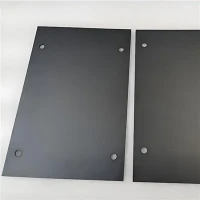


Pitting corrosion is a critical issue in copper plating processes, which can significantly affect the quality and durability of the plated products. As a supplier of Titanium Anode for Copper Plating, I have witnessed firsthand how the choice of anode can play a pivotal role in enhancing the pitting corrosion resistance of copper plating. In this blog, I will delve into the mechanisms through which titanium anodes influence the pitting corrosion resistance of copper plating and explore the benefits they offer in practical applications.
Understanding Pitting Corrosion in Copper Plating
Pitting corrosion is a localized form of corrosion that occurs when small holes or pits form on the surface of a metal. In copper plating, pitting corrosion can be caused by a variety of factors, including the presence of impurities in the plating solution, uneven current distribution, and the formation of passive films on the copper surface. Once pitting corrosion starts, it can propagate rapidly, leading to the degradation of the copper plating and ultimately compromising the performance of the plated component.
The Role of Titanium Anodes in Copper Plating
Titanium anodes are widely used in copper plating processes due to their excellent corrosion resistance, high electrical conductivity, and long service life. When used as anodes in copper plating, titanium anodes undergo a series of electrochemical reactions that help to maintain a stable plating environment and improve the quality of the copper plating.
One of the key functions of titanium anodes is to provide a source of electrons for the reduction of copper ions in the plating solution. During the plating process, copper ions in the solution are attracted to the cathode (the workpiece to be plated) and are reduced to metallic copper, which is then deposited on the surface of the workpiece. At the same time, the titanium anode releases electrons into the solution, which helps to maintain the electrical balance and ensure a continuous supply of copper ions for plating.
In addition to providing electrons, titanium anodes also play an important role in controlling the pH and composition of the plating solution. By adjusting the anode potential and current density, it is possible to optimize the electrochemical reactions at the anode and cathode, which can help to prevent the formation of passive films on the copper surface and reduce the risk of pitting corrosion.
How Titanium Anodes Improve Pitting Corrosion Resistance
There are several ways in which titanium anodes can improve the pitting corrosion resistance of copper plating:
1. Uniform Current Distribution
One of the main causes of pitting corrosion in copper plating is uneven current distribution, which can lead to the formation of local hotspots and the accumulation of copper ions in certain areas of the workpiece. Titanium anodes are designed to provide a uniform current distribution across the surface of the workpiece, which helps to ensure that the copper plating is deposited evenly and reduces the risk of pitting corrosion.
2. Prevention of Passive Film Formation
Passive films can form on the surface of copper during the plating process, which can act as a barrier to the flow of electrons and prevent the deposition of copper ions. Titanium anodes can help to prevent the formation of passive films by maintaining a stable electrochemical environment and ensuring that the copper surface remains active. This helps to promote the uniform deposition of copper and reduces the risk of pitting corrosion.


3. Removal of Impurities
Impurities in the plating solution can also contribute to the formation of pitting corrosion in copper plating. Titanium anodes can help to remove impurities from the solution by oxidizing them at the anode surface. This helps to maintain the purity of the plating solution and reduces the risk of pitting corrosion caused by impurities.
4. Enhancement of Passivation
In some cases, it may be desirable to form a passive film on the copper surface to improve its corrosion resistance. Titanium anodes can be used to control the formation and properties of the passive film by adjusting the anode potential and current density. By optimizing the passivation process, it is possible to enhance the pitting corrosion resistance of the copper plating without compromising its other properties.
Practical Applications of Titanium Anodes in Copper Plating
Titanium anodes are used in a wide range of copper plating applications, including printed circuit board (PCB) manufacturing, automotive parts plating, and decorative plating. In each of these applications, the use of titanium anodes can help to improve the pitting corrosion resistance of the copper plating and ensure the long-term performance of the plated components.
For example, in PCB manufacturing, Titanium Anode for Vertical Continuous Plating are commonly used to plate copper onto the surface of the PCB substrate. The uniform current distribution provided by titanium anodes helps to ensure that the copper plating is deposited evenly on the PCB, which is essential for the reliable operation of the electronic components. Additionally, the corrosion resistance of titanium anodes helps to prevent the formation of pitting corrosion on the copper plating, which can cause short circuits and other electrical problems in the PCB.
In the automotive industry, PCB Electroplating Etching Solution Titanium Anode are used to plate copper onto automotive parts such as engine components and electrical connectors. The high electrical conductivity and long service life of titanium anodes make them ideal for use in high-volume plating operations, while their ability to improve the pitting corrosion resistance of the copper plating helps to ensure the durability and reliability of the automotive parts.
Conclusion
In conclusion, titanium anodes play a crucial role in improving the pitting corrosion resistance of copper plating. By providing a stable source of electrons, controlling the pH and composition of the plating solution, and ensuring a uniform current distribution, titanium anodes help to create a favorable plating environment that promotes the formation of high-quality copper plating with excellent pitting corrosion resistance.
As a supplier of Titanium Anode for Copper Plating, I am committed to providing our customers with high-quality titanium anodes that meet their specific plating requirements. If you are interested in learning more about our products or discussing your copper plating needs, please feel free to contact us. We look forward to the opportunity to work with you and help you achieve the best possible results in your copper plating processes.
References
- Jones, D. A. (1992). Principles and Prevention of Corrosion. Prentice Hall.
- Revie, R. W. (2008). Uhlig's Corrosion Handbook. Wiley-Interscience.
- Schlesinger, M., & Paunovic, M. (2010). Modern Electroplating. Wiley.