


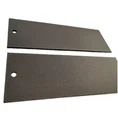
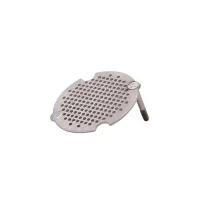


Hey there! As a supplier of Titanium Anode For Copper Plating, I've seen my fair share of issues that customers run into. In this blog, I'll walk you through how to troubleshoot problems with a titanium anode for copper plating.
1. Understanding the Basics of Titanium Anodes for Copper Plating
Before we dive into troubleshooting, let's quickly go over what a titanium anode is and how it works in copper plating. Titanium anodes are widely used in copper plating because they're durable and can withstand the harsh chemical environment of the plating bath. They act as the positive electrode in the electroplating process, allowing copper ions to be deposited onto the workpiece.
2. Common Problems and Their Solutions
Low Plating Rate
One of the most common issues is a low plating rate. If you notice that the copper is being deposited too slowly, there could be several reasons.


- Anode Surface Condition: Over time, the surface of the titanium anode can get covered with a layer of oxides or other contaminants. This can reduce the efficiency of the anode and slow down the plating process. To fix this, you can clean the anode surface. A mild acid solution can be used to remove the contaminants. Just make sure to follow the safety guidelines when handling acids.
- Current Density: The current density is a crucial factor in the plating rate. If the current density is too low, the plating rate will be slow. You can increase the current density, but be careful not to go too high as it can cause other problems like uneven plating. Check your plating bath specifications to find the optimal current density for your setup.
Uneven Plating
Uneven plating can make the finished product look bad and may also affect its performance.
- Anode Placement: The position of the anode in the plating bath is very important. If the anode is not placed correctly, the copper ions will not be distributed evenly, resulting in uneven plating. Make sure the anode is centered and parallel to the workpiece. You can also use multiple anodes to ensure more even distribution of copper ions.
- Agitation: Proper agitation of the plating bath is necessary to ensure uniform plating. If the bath is not agitated enough, the copper ions may not reach all parts of the workpiece evenly. You can use mechanical stirrers or air agitation to keep the bath well - mixed.
Anode Corrosion
Anode corrosion can be a serious problem as it can reduce the lifespan of the anode and contaminate the plating bath.
- Electrolyte Composition: The composition of the electrolyte can affect the corrosion rate of the anode. Some electrolytes may be more corrosive to titanium. Make sure you're using the right electrolyte for your plating process. You can refer to the manufacturer's recommendations for the best electrolyte.
- Over - Current: Excessive current can cause the anode to corrode faster. Monitor the current in your plating system and make sure it stays within the recommended range.
3. When to Replace the Anode
Even with proper maintenance, titanium anodes will eventually need to be replaced. Here are some signs that it's time for a new anode:
- Excessive Corrosion: If the anode has significant corrosion and is no longer able to function effectively, it's time to replace it.
- Poor Plating Quality: If you've tried all the troubleshooting steps and are still getting poor plating results, the anode may be the problem. A worn - out anode may not be able to provide a consistent supply of copper ions.
4. Where to Find Quality Titanium Anodes
If you're in the market for a new titanium anode for copper plating, we've got you covered. We offer high - quality Titanium Anode for Copper Plating. Our anodes are designed to provide reliable performance and long - term durability.
We also have other related products like PCB Electroplating Etching Solution Titanium Anode and Titanium Anode for Copper Recovery From Etching Solution. These products are suitable for different applications in the copper plating and PCB industries.
5. Contact Us for More Information
If you're facing problems with your titanium anode or are interested in purchasing our products, don't hesitate to reach out. We have a team of experts who can provide you with more detailed advice and support. Whether you need help with troubleshooting or want to discuss your specific requirements for copper plating, we're here to assist you.
References
- Smith, J. (2018). Electroplating Handbook. Publisher XYZ.
- Johnson, A. (2020). Titanium Anodes in Industrial Applications. Journal of Industrial Electrochemistry.