

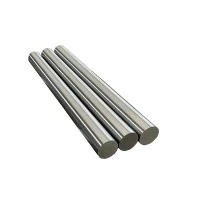


Uneven coating distribution can affect the appearance and consistency of an MMO titanium anode. In production, the issue may appear as local color differences, coating build-up near an edge, thin areas, visible runs, or sections that do not look fully covered.
These signs can have different causes. The condition of the titanium substrate, the coating solution, the application method, drying, and thermal treatment can all influence the final coating. The anode shape also matters. A flat plate is usually easier to coat consistently than a mesh panel or a tube with internal surfaces.
A visual difference does not always mean that the coating loading is different or that the anode will fail in service. The actual condition should be checked against the agreed inspection method and product requirements.

1. Titanium Substrate Condition Before Coating
Coating work starts with the titanium surface. If the substrate is not prepared consistently, the coating may not spread or bond in the same way across the whole part.
Oil, dust, handling marks, residual scale, or other contamination can affect local wetting. Differences in surface roughness or pretreatment can also lead to variations in how the coating solution stays on the substrate.
This can be more difficult on parts with welds, cut edges, holes, mesh intersections, or complex shapes. These areas may need additional attention during cleaning and surface preparation.
For this reason, substrate preparation should be controlled across the full active area, not only on the large, easy-to-reach surfaces.
2. Coating Solution and Application Method
The condition of the coating solution is another important factor. Changes in concentration, viscosity, mixing condition, or storage time can affect how the solution transfers to the titanium surface.
If the solution is not mixed consistently, its composition may vary during application. Contamination or changes in the solution condition may also affect the coating process. The supplier should follow the process controls established for the specific coating system.
The application method matters as well. Depending on the product design, coating may be applied by brushing, dipping, spraying, or another controlled method. Uneven movement, inconsistent pressure, overlapping passes, or poor drainage can leave some areas with more material than others.
On mesh anodes, the solution must reach the strands and the relevant surfaces around the openings. On tubular anodes, access to the full active length and any specified internal surface needs to be considered. The method should suit the product geometry.
3. Drying Between Coating Layers
Many MMO titanium anodes are made using repeated coating applications. Each layer needs to go through the required drying stage before the next application or the next process step.
If a wet layer is too heavy, the solution may collect in low areas, around edges, or at mesh intersections. This can create local build-up. If drying conditions vary across the part, the coating may also dry at different rates.
Part orientation, airflow, spacing between workpieces, and the time allowed for drying can all affect the result. These details are especially relevant for long tubes, large plates, and mesh structures.
Applying another layer before the previous one has reached the required condition may make the variation more difficult to control. The drying sequence should therefore be consistent with the coating manufacturer's process requirements.

4. Thermal Treatment and Furnace Conditions
After coating application and drying, thermal treatment is commonly used as part of the manufacturing process for MMO coatings. The exact temperature and cycle depend on the coating composition and the supplier's qualified process.
Uneven heating, differences in furnace position, inconsistent loading, or unsuitable spacing between parts may contribute to variation from one area or one workpiece to another. The way a component is supported can also affect which surfaces are exposed during treatment.
Thermal treatment is not simply a final heating step. It is part of the coating process, and its conditions need to be controlled together with the application and drying stages.
If a coating problem appears repeatedly in the same position or on the same product type, the production team should review the part orientation, fixture arrangement, and furnace loading pattern as well as the coating operation itself.
5. Product Geometry and Handling
The shape of an anode can make uniform coating more difficult. Flat plates have relatively open surfaces, while mesh, tubular, and custom-shaped anodes contain more edges, corners, openings, and less accessible areas.
Common areas that need attention include:
- Edges and corners: Liquid may collect or drain unevenly.
- Mesh intersections: Coating build-up may occur around strand connections.
- Tube ends and internal surfaces: These areas may be difficult to reach.
- Holes and welded areas: They need consistent surface preparation and coverage.
- Fixture and masking locations: Coating may be intentionally limited or affected by contact.
Handling between process stages is also relevant. Contact with unclean gloves, tools, supports, or work surfaces can introduce contamination or damage a coating layer that has already been applied.
For custom anodes, the coating plan should take the drawing and installation arrangement into account. The supplier and buyer should identify the active coating area and any sections that need to remain uncoated.

6. How Should Uneven Coating Be Checked?
A visual inspection is a useful first step, but it should not be the only basis for judging coating distribution. Color and surface texture can change with lighting, viewing angle, surface finish, and coating composition.
A practical review can include the following checks:
- Visual inspection: Look for runs, bare areas, local build-up, stains, or unusual surface changes under consistent lighting.
- Coating loading measurement: Use an agreed method and a clearly defined area basis.
- Coating thickness assessment: Apply a suitable measurement method for the product and coating system.
- Location comparison: Review representative areas, especially edges, corners, mesh intersections, and difficult-to-coat sections.
- Specification review: Compare the results with the drawing, technical specification, and agreed acceptance criteria.
Coating loading and coating thickness are related, but they are not the same measurement. A loading result should state how the measured coating mass and reference area were determined. Thickness checks also need a method suitable for the coating and substrate.
If a visual difference is found, the next step is to identify whether it is only an appearance variation or whether it is supported by a measurable difference in coverage, loading, or thickness. The inspection method should match the question being checked.
7. Information to Confirm for Custom MMO Anodes
For custom anodes, it is helpful to confirm the coating requirements before production begins. This reduces the chance of different expectations about which surfaces should be coated and how the finished part will be inspected.
Useful information includes:
- Product drawing: Substrate dimensions and the active coating area.
- Coating requirements: The required coating composition or coating system, where specified.
- Coating surfaces: The surfaces to be coated and any masking or uncoated sections.
- Coating target: The required coating loading or thickness, if specified.
- Inspection requirements: The inspection method and acceptance criteria.
- Operating conditions: Electrolyte, temperature, and current conditions.
A clear drawing and agreed inspection basis are often more useful than a general request for a uniform coating. They give the manufacturer a practical reference for production and final inspection.
Frequently Asked Questions
Q1: What is the most common cause of uneven coating on MMO titanium anodes?
A: There is no single cause for every case. Inconsistent substrate preparation, coating application, drying, and thermal treatment can all contribute. The product geometry should also be considered.
Q2: Does uneven coating color mean that the coating loading is uneven?
A: Not necessarily. Color can be affected by lighting, surface condition, and coating composition. Loading should be checked using an agreed measurement method rather than judged by color alone.
Q3: Why can coating build up around the edges of a titanium anode?
A: Liquid may collect or drain differently near edges and corners. Application direction, part orientation, and the amount of solution applied can all influence local build-up.
Q4: Are mesh anodes more difficult to coat evenly than flat plates?
A: They can be. Mesh strands, intersections, openings, and edges create more complex surfaces. The coating method needs to suit the mesh pattern and provide access to the required surfaces.
Q5: Can uneven coating be corrected after the coating process?
A: That depends on the type and extent of the variation and the coating system. The part should be assessed by the manufacturer before any rework is attempted. Recoating or local correction should not be assumed to be suitable for every anode.
Q6: How can a buyer check coating distribution before accepting an order?
A: Agree on the active area, inspection locations, loading or thickness measurement method, and acceptance criteria before production. Visual inspection can be included, but it should not replace the agreed technical checks.
Q7: Does a thicker coating always provide better anode performance?
A: No. Coating requirements depend on the coating system and operating conditions. More coating is not automatically better, and the target should follow the project specification and supplier's technical recommendation.
Contact ZXB
If you are sourcing MMO titanium anodes or developing a custom anode design, send ZXB your drawing, substrate dimensions, coating requirements, and operating conditions. The team can review the product structure and discuss the coating area, configuration, and inspection requirements before quotation.
Email: jack@zxb-titanium.com
Recommended Reading
What Determines the Coating Adhesion of MMO Titanium Anodes?