


Hey there! As a supplier of Ru - Ir Coated Titanium Anode Tubes, I've had quite a bit of experience and knowledge about these bad boys. Today, I'm gonna chat about what kind of influence the tube length can have on the performance of Ru - Ir Coated Titanium Anode Tubes.
First off, let's understand what Ru - Ir Coated Titanium Anode Tubes are. These anodes Ru - Ir Coated Titanium Anode Tube are widely used in various electrochemical processes. The ruthenium - iridium coating on the titanium tube provides excellent catalytic activity, corrosion resistance, and long - term stability. It makes them a top choice for many industries, like electroplating, water treatment, and cathodic protection.
Now, let's dig into how tube length affects their performance.
1. Current Distribution
One of the most significant impacts of tube length is on the current distribution. In an electrochemical cell, the current needs to be evenly distributed across the anode surface for efficient operation. When the tube is relatively short, the current distribution is generally more uniform. This is because the electrical resistance along the anode is lower, and there's less chance for significant voltage drops to occur.
For a short Ru - Ir Coated Titanium Anode Tube, electrons can flow smoothly from the power source to the anode surface with less resistance. As a result, the electrochemical reactions happen more evenly across the entire anode area. This is crucial for applications like copper electrowinning, where a uniform current density is necessary to ensure high - quality copper deposition. Check out our Copper Electrowinning Titanium Anode if you're interested in this process.
On the other hand, when the tube length increases, the electrical resistance along the tube also goes up. This can lead to uneven current distribution. The parts of the anode closer to the power connection point will receive more current, while the far - end sections might get less. This uneven current density can cause inconsistent electrochemical reactions, which may affect the overall efficiency of the process and even lead to premature anode failure in some cases.
2. Mass Transfer
Tube length can also influence mass transfer in the electrochemical system. Mass transfer refers to the movement of ions and reactants to and from the anode surface. In a short anode tube, the path for mass transfer is relatively short. Reactants can quickly reach the anode surface, and the products of the electrochemical reactions can be easily removed.
In long anode tubes, however, the mass transfer process becomes more challenging. The ions have to travel longer distances to reach different parts of the anode. This can lead to a concentration gradient along the tube, where the concentration of reactants is higher near the entrance and lower at the far end. As a result, the reaction rate may decrease at the far - end of the long tube, reducing the overall efficiency of the electrochemical process.
3. Mechanical Strength and Installation
Another aspect to consider is the mechanical strength and installation of the anode tubes. Longer tubes are more prone to mechanical damage during handling and installation. They can bend or break more easily, which can compromise their performance. Additionally, the installation of long tubes can be more complicated, especially in confined spaces.
Shorter tubes are generally more robust and easier to install. They can be more securely fixed in place, ensuring a stable and reliable operation.
4. Cost - effectiveness
The length of the tube also plays a role in cost - effectiveness. Longer tubes require more raw materials, which increases the production cost. Additionally, due to the potential issues with current distribution and mass transfer mentioned earlier, longer tubes may need to be replaced more frequently, further adding to the overall cost.
Shorter tubes, with their more uniform performance and lower risk of failure, can often offer better cost - effectiveness in the long run.
Examples from Real - world Applications
I've seen firsthand how tube length can impact performance in different applications. In a water treatment plant we worked with, they initially used relatively long Ru - Ir Coated Titanium Anode Tubes. They noticed that the disinfection efficiency was lower than expected, and some parts of the anode were corroding faster than others. After switching to shorter tubes, the current distribution improved, the disinfection efficiency increased significantly, and the anode lifespan was extended.
In another electroplating project, the use of short anodes provided a much more uniform coating quality on the workpieces. The operators were able to achieve better control over the plating process, resulting in higher - quality products.
Choosing the Right Tube Length
So, how do you choose the right tube length for your specific application? Well, it depends on several factors. The nature of the electrochemical process, the size of the electrochemical cell, and the desired current density are all important considerations.

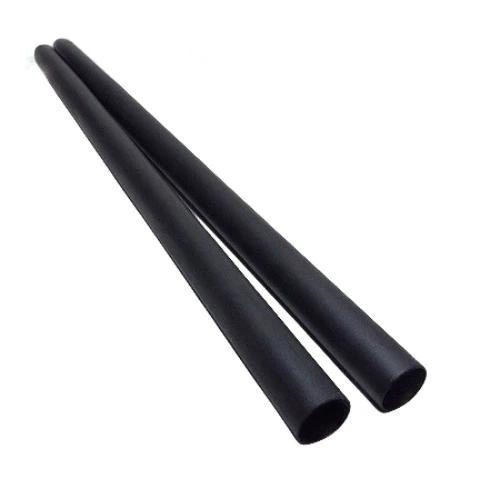
If you need a high and uniform current density, a shorter tube might be the best choice. For applications where space is limited and easy installation is a priority, shorter tubes are also favorable. However, if you have a large - scale electrochemical cell and can tolerate some non - uniformity in current distribution, a longer tube could be considered, but you'll need to take measures to address the potential issues.
As a supplier, we're always here to help you make the right decision. We have a wide range of Ru - Ir Coated Titanium Anode Tubes in different lengths, and our technical team can provide you with professional advice based on your specific needs.
If you're in the market for Ru - Ir Coated Titanium Anode Tubes or other related products like Lead Dioxide Titanium Anode, don't hesitate to reach out. We're ready to have a chat about your requirements and find the best solution for you.
References
- Electrochemical Engineering Principles, E. Babaelahi and R. O'Hayre.
- Corrosion and Protection of Metals: Cathodic Protection, Pierre Cornet.