


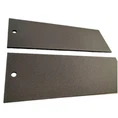

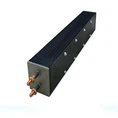

In the field of electrochemistry, compact electrolysis titanium anodes have emerged as a crucial component in various applications, ranging from water treatment to metal extraction. As a leading supplier of Compact Electrolysis Titanium Anodes, we understand the importance of comprehending the heat generation characteristics during operation. This knowledge not only helps in optimizing the performance of the anode but also ensures the longevity and efficiency of the entire electrolysis system.
Understanding the Basics of Compact Electrolysis Titanium Anodes
Compact electrolysis titanium anodes are designed to provide a stable and efficient source of current during the electrolysis process. They are typically made of titanium substrate coated with a thin layer of precious metal oxides, such as iridium oxide or ruthenium oxide. These coatings enhance the anode's catalytic activity and corrosion resistance, making it suitable for a wide range of applications.
The electrolysis process involves the passage of an electric current through an electrolyte solution, causing chemical reactions to occur at the anode and cathode. At the anode, oxidation reactions take place, releasing electrons and generating oxygen gas. The heat generated during this process is a result of several factors, including the electrical resistance of the anode, the electrochemical reactions occurring at the surface, and the heat transfer mechanisms within the system.
Factors Affecting Heat Generation
Electrical Resistance
The electrical resistance of the anode is one of the primary factors contributing to heat generation. As the current passes through the anode, the resistance of the material causes some of the electrical energy to be converted into heat. The resistance of the anode depends on several factors, including the material properties, the thickness of the coating, and the surface area of the anode.


A higher resistance anode will generate more heat, which can lead to increased energy consumption and reduced efficiency. Therefore, it is essential to choose an anode with a low electrical resistance to minimize heat generation. Our Low Energy Loss Water Electrolysis Titanium Anode is specifically designed to have a low resistance, ensuring efficient operation and reduced heat generation.
Electrochemical Reactions
The electrochemical reactions occurring at the anode surface also contribute to heat generation. During the oxidation process, the anode releases electrons, which react with the electrolyte to form oxygen gas. These reactions are exothermic, meaning they release heat. The rate of heat generation depends on the current density, the concentration of the electrolyte, and the nature of the electrochemical reactions.
A higher current density will result in a higher rate of heat generation, as more electrons are being transferred and more chemical reactions are occurring. Therefore, it is important to optimize the current density to balance the desired reaction rate with the heat generation. Our anodes are designed to operate at optimal current densities, minimizing heat generation while maintaining high efficiency.
Heat Transfer Mechanisms
The heat generated at the anode must be transferred away from the surface to prevent overheating and damage to the anode. Heat transfer occurs through several mechanisms, including conduction, convection, and radiation.
Conduction is the transfer of heat through a solid material, such as the anode substrate. The rate of conduction depends on the thermal conductivity of the material and the temperature gradient across the anode. Convection is the transfer of heat through the movement of a fluid, such as the electrolyte solution. The rate of convection depends on the fluid flow rate and the temperature difference between the anode and the electrolyte. Radiation is the transfer of heat through electromagnetic waves. The rate of radiation depends on the surface temperature of the anode and the emissivity of the material.
To ensure efficient heat transfer, our anodes are designed with a high thermal conductivity substrate and a surface finish that promotes convection and radiation. This helps to dissipate the heat generated during operation, preventing overheating and extending the lifespan of the anode.
Measuring and Monitoring Heat Generation
To understand the heat generation characteristics of a compact electrolysis titanium anode, it is important to measure and monitor the temperature of the anode during operation. This can be done using a variety of temperature sensors, such as thermocouples or infrared cameras.
Thermocouples are commonly used to measure the temperature of the anode surface. They are simple and reliable, and can provide accurate temperature measurements in real-time. Infrared cameras can also be used to measure the temperature distribution across the anode surface, providing a more detailed view of the heat generation patterns.
By monitoring the temperature of the anode, we can identify any potential issues, such as overheating or uneven heat distribution. This allows us to take corrective actions, such as adjusting the current density or improving the heat transfer mechanisms, to ensure the efficient and reliable operation of the anode.
Applications and Benefits
Compact electrolysis titanium anodes are used in a wide range of applications, including water treatment, metal extraction, and electrochemical degradation. In water treatment, they are used to remove contaminants from water by oxidizing organic compounds and disinfecting the water. In metal extraction, they are used to extract metals from ores by electrolysis. In electrochemical degradation, they are used to break down organic pollutants in wastewater.
The benefits of using compact electrolysis titanium anodes include high efficiency, long lifespan, and low maintenance requirements. Our anodes are designed to provide a stable and reliable source of current, ensuring efficient operation and consistent performance. They are also resistant to corrosion and wear, reducing the need for frequent replacement.
Conclusion
In conclusion, understanding the heat generation characteristics of a compact electrolysis titanium anode is essential for optimizing its performance and ensuring the longevity and efficiency of the entire electrolysis system. By considering the factors affecting heat generation, measuring and monitoring the temperature of the anode, and choosing the right anode for the application, we can minimize heat generation, reduce energy consumption, and improve the overall performance of the system.
If you are interested in learning more about our Compact Electrolysis Titanium Anodes or have any questions about their heat generation characteristics, please feel free to contact us for a consultation. We look forward to working with you to find the best solution for your specific needs.
References
- Electrochemical Engineering Principles, Second Edition, by John Newman and Karen E. Thomas-Alyea
- Handbook of Electrochemistry, by Wolfgang Schultze
- Electrochemical Science and Technology, by Richard G. Compton and Gareth H. W. Sanders