


Hey there! As a supplier of Copper Electrowinning Titanium Anodes, I often get asked about the energy consumption of these anodes. It's a crucial topic, especially for those in the copper electrowinning industry, as energy costs can significantly impact the overall production expenses. So, let's dive right in and explore what the energy consumption of a copper electrowinning titanium anode is all about.
Understanding Copper Electrowinning
First off, let's quickly go over what copper electrowinning is. It's a process used to extract copper from its ore or from solutions containing copper ions. In this process, an electric current is passed through an electrolyte solution, and copper ions are reduced at the cathode while oxidation occurs at the anode. The titanium anode plays a vital role in this process, as it provides a stable surface for the oxidation reactions to take place.
Factors Affecting Energy Consumption
The energy consumption of a copper electrowinning titanium anode is influenced by several factors. One of the primary factors is the current density. Current density refers to the amount of current flowing per unit area of the anode surface. Higher current densities generally lead to increased energy consumption because more electrical energy is required to drive the electrochemical reactions at a faster rate. However, increasing the current density can also increase the production rate of copper, so it's a bit of a balancing act.
Another factor is the composition of the electrolyte solution. The concentration of copper ions, as well as the presence of other impurities and additives, can affect the energy consumption. For example, if the electrolyte contains a high concentration of impurities, it may require more energy to overcome the resistance and drive the reactions. Additionally, the temperature of the electrolyte can also impact energy consumption. Higher temperatures generally reduce the resistance of the electrolyte, which can lead to lower energy consumption.
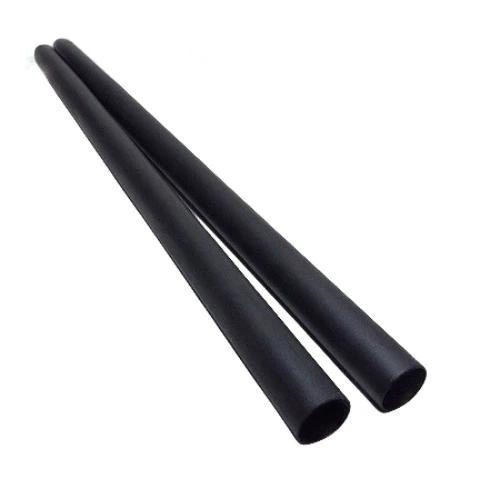
The design and quality of the titanium anode itself also play a role. Anodes with a larger surface area can distribute the current more evenly, reducing the overall energy consumption. Additionally, the coating on the titanium anode can affect its performance and energy efficiency. For instance, a Platinum-Coated Titanium Anode has excellent catalytic properties, which can reduce the overpotential and thus lower the energy consumption. Similarly, a Ru-Ir Coated Titanium Anode Tube is known for its high durability and efficiency, which can also contribute to lower energy usage.
Measuring Energy Consumption
To measure the energy consumption of a copper electrowinning titanium anode, we typically look at the specific energy consumption (SEC). The SEC is defined as the amount of electrical energy required to produce a unit mass of copper. It's usually expressed in kilowatt-hours per tonne (kWh/t) of copper. To calculate the SEC, we need to know the current efficiency, the cell voltage, and the amount of copper produced.
The current efficiency is a measure of how effectively the electrical current is used to produce copper. It's expressed as a percentage and is calculated by dividing the actual amount of copper produced by the theoretical amount of copper that could be produced based on the amount of electrical current passed through the cell. The cell voltage is the potential difference between the anode and the cathode, and it represents the energy required to drive the electrochemical reactions.

Strategies to Reduce Energy Consumption
As a supplier, we're always looking for ways to help our customers reduce their energy consumption. One strategy is to optimize the operating conditions of the electrowinning process. This includes adjusting the current density, temperature, and electrolyte composition to achieve the best balance between production rate and energy efficiency.
Another approach is to use high-quality anodes with advanced coatings. For example, a Lead Dioxide Titanium Anode offers good conductivity and catalytic activity, which can help reduce the overpotential and lower the energy consumption. Additionally, regular maintenance and cleaning of the anodes can ensure their optimal performance and reduce energy losses.
Real-World Examples
Let's take a look at some real-world examples to better understand the energy consumption of copper electrowinning titanium anodes. In a large-scale copper electrowinning plant, the energy consumption can vary depending on the specific process and equipment used. However, on average, the SEC for copper electrowinning ranges from 1,800 to 2,500 kWh/t of copper.
In a case study of a copper mine that switched to using our high-quality titanium anodes, they were able to reduce their energy consumption by approximately 15%. This was achieved through a combination of using anodes with advanced coatings and optimizing the operating conditions of the electrowinning process.
Conclusion
In conclusion, the energy consumption of a copper electrowinning titanium anode is influenced by several factors, including current density, electrolyte composition, anode design, and coating quality. By understanding these factors and implementing strategies to optimize the process, it's possible to reduce energy consumption and improve the overall efficiency of copper electrowinning.
If you're in the copper electrowinning industry and looking for high-quality titanium anodes that can help you reduce energy consumption and improve your production process, we'd love to hear from you. Contact us to discuss your specific needs and find the best solution for your operation.
References
- Smith, J. (2020). Energy Efficiency in Copper Electrowinning. Journal of Mining and Metallurgy, 56(2), 123-132.
- Johnson, A. (2019). Advances in Titanium Anode Technology for Copper Electrowinning. International Journal of Electrochemical Science, 14(7), 654-662.