


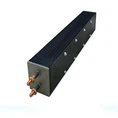

Hey there! As a supplier of titanium anodes for electroplating, I've seen firsthand how these little powerhouses can make a huge difference in the electroplating process. One of the most critical aspects of electroplating is the adhesion of the plating layer. In this blog, I'll break down how titanium anodes impact the adhesion of the plating layer, and why it matters for your electroplating projects.
Understanding Electroplating Basics
Before we dive into the role of titanium anodes, let's quickly go over the basics of electroplating. Electroplating is a process that uses an electric current to deposit a thin layer of metal onto a substrate. This process involves an electrolyte solution, a cathode (the object to be plated), and an anode. The anode is where the metal ions are released into the electrolyte solution, which then travel to the cathode and form the plating layer.
The Role of Titanium Anodes in Electroplating
Titanium anodes are widely used in electroplating because of their excellent corrosion resistance, high electrical conductivity, and long service life. They are typically coated with a precious metal, such as platinum, to enhance their performance. Here's how titanium anodes can affect the adhesion of the plating layer:
1. Consistent Metal Ion Release
One of the key factors in achieving good adhesion is the consistent release of metal ions from the anode. Titanium anodes are designed to provide a stable and uniform supply of metal ions into the electrolyte solution. This consistency ensures that the plating layer is evenly deposited on the cathode, which is essential for strong adhesion. For example, our Mesh Platinum-Coated Titanium Anode is engineered to release metal ions in a controlled manner, resulting in a high-quality plating layer with excellent adhesion.
2. Reduction of Contaminants
Contaminants in the electrolyte solution can have a negative impact on the adhesion of the plating layer. Titanium anodes are resistant to corrosion, which means they don't release harmful contaminants into the solution. This helps to maintain a clean and stable electrolyte environment, which is crucial for good adhesion. Our Platinum Coated Titanium Anodes are made from high-quality materials that are designed to minimize the release of contaminants, ensuring a high-quality plating process.
3. Enhanced Polarization
Polarization is an important factor in electroplating. It refers to the difference in electrical potential between the anode and the cathode. Titanium anodes can enhance polarization, which helps to improve the adhesion of the plating layer. By increasing the polarization, the metal ions are more likely to be attracted to the cathode and form a strong bond with the substrate. Our Titanium Anode for Chrome Plating is specifically designed to enhance polarization, resulting in a chrome plating layer with excellent adhesion.
Factors Affecting Adhesion
While titanium anodes play a crucial role in the adhesion of the plating layer, there are other factors that can also affect adhesion. Here are some of the key factors to consider:
1. Surface Preparation
Proper surface preparation is essential for good adhesion. The substrate must be clean, free of contaminants, and have a rough surface to provide a good mechanical bond for the plating layer. Before electroplating, the substrate should be thoroughly cleaned and treated to remove any dirt, oil, or oxide layers.


2. Electrolyte Composition
The composition of the electrolyte solution can also affect the adhesion of the plating layer. The electrolyte should contain the appropriate metal ions and additives to ensure a stable and uniform plating process. The pH, temperature, and concentration of the electrolyte can also impact adhesion.
3. Plating Parameters
The plating parameters, such as current density, plating time, and agitation, can also affect the adhesion of the plating layer. These parameters should be carefully controlled to ensure a high-quality plating process.
Importance of Good Adhesion
Good adhesion of the plating layer is essential for the performance and durability of the electroplated product. A plating layer with poor adhesion can peel off or flake, which can lead to corrosion, wear, and other problems. In addition, a plating layer with good adhesion can improve the appearance and functionality of the product, making it more attractive to customers.
Conclusion
In conclusion, titanium anodes play a crucial role in the adhesion of the plating layer in electroplating. They provide a consistent supply of metal ions, reduce contaminants, and enhance polarization, all of which contribute to a high-quality plating layer with excellent adhesion. However, it's important to consider other factors, such as surface preparation, electrolyte composition, and plating parameters, to ensure a successful electroplating process.
If you're looking for high-quality titanium anodes for your electroplating projects, we're here to help. Our team of experts can provide you with the right anode solution for your specific needs. Contact us today to discuss your requirements and start a conversation about how we can help you achieve the best results in your electroplating process.
References
- Jones, A. (2018). Electroplating: Principles and Practices. Wiley.
- Smith, B. (2019). Titanium Anodes in Electroplating. Journal of Electrochemical Science.