


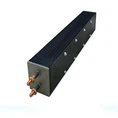

As a supplier of titanium anodes for electroplating, I understand the importance of extending the service life of these anodes. A longer service life not only reduces costs but also enhances the efficiency and quality of the electroplating process. In this blog, I will share some effective strategies to improve the service life of titanium anodes in electroplating.
1. Understanding the Basics of Titanium Anodes
Titanium anodes are widely used in electroplating due to their excellent corrosion resistance, high electrical conductivity, and good mechanical properties. However, their performance and service life can be affected by various factors, such as the plating solution composition, operating conditions, and anode design.
The two main types of titanium anodes commonly used in electroplating are Iridium-Tantalum Coated Titanium Anode and Titanium Anode for Chrome Plating. The iridium-tantalum coating provides high catalytic activity and corrosion resistance, making it suitable for a wide range of electroplating applications. The titanium anode for chrome plating is specifically designed to withstand the harsh conditions of chrome plating baths.


2. Optimizing the Plating Solution
The composition of the plating solution plays a crucial role in the performance and service life of titanium anodes. Here are some key points to consider:
- pH Control: Maintaining the appropriate pH level in the plating solution is essential. A pH that is too high or too low can cause corrosion of the anode surface. For example, in acidic plating solutions, the anode may be more prone to dissolution. Regularly monitor and adjust the pH to ensure it remains within the recommended range.
- Impurity Removal: Impurities in the plating solution can accelerate anode degradation. Use proper filtration systems to remove suspended solids, metal ions, and other contaminants. This helps to prevent the formation of deposits on the anode surface, which can reduce its efficiency and service life.
- Additive Selection: Some additives can improve the performance of the plating solution and protect the anode. For instance, certain organic additives can form a protective film on the anode surface, reducing corrosion and enhancing its stability.
3. Controlling Operating Conditions
The operating conditions of the electroplating process also have a significant impact on the service life of titanium anodes. Here are some important factors to control:
- Current Density: Excessive current density can lead to overheating and accelerated anode corrosion. It is important to operate within the recommended current density range for the specific plating application. This can be determined through experimentation and by referring to the anode manufacturer's guidelines.
- Temperature: High temperatures can increase the rate of chemical reactions and anode corrosion. Keep the plating solution temperature within the appropriate range. Cooling systems may be required in some cases to maintain a stable temperature.
- Agitation: Proper agitation of the plating solution helps to ensure uniform distribution of ions and reduces the formation of concentration gradients. This can prevent localized corrosion on the anode surface and improve its overall performance.
4. Anode Design and Installation
The design and installation of the titanium anode can also affect its service life. Here are some considerations:
- Anode Shape and Size: The shape and size of the anode should be designed to match the specific electroplating requirements. A well-designed anode can ensure uniform current distribution and minimize the formation of hot spots, which can lead to premature anode failure.
- Anode Mounting: Proper mounting of the anode is crucial to ensure good electrical contact and prevent mechanical damage. Use appropriate mounting hardware and ensure that the anode is securely fixed in place.
- Anode Spacing: The spacing between the anode and the cathode should be carefully adjusted to ensure efficient plating and prevent short circuits. This can also help to reduce the risk of anode corrosion.
5. Regular Maintenance and Inspection
Regular maintenance and inspection of the titanium anode are essential to detect and address any potential issues early. Here are some maintenance tasks to perform:
- Cleaning: Periodically clean the anode surface to remove any deposits or contaminants. This can be done using a mild cleaning solution and a soft brush. Avoid using abrasive materials that may damage the anode coating.
- Inspection: Regularly inspect the anode for signs of corrosion, wear, or damage. Look for cracks, peeling of the coating, or changes in the anode shape. If any issues are detected, take appropriate measures to repair or replace the anode.
- Coating Reapplication: Over time, the anode coating may wear off. When this happens, it is necessary to reapply the coating to restore the anode's performance. Follow the manufacturer's instructions for coating reapplication.
6. Choosing the Right Anode for the Application
Selecting the appropriate titanium anode for the specific electroplating application is crucial. Different applications may require different types of anodes with specific coatings and properties. For example, Titanium Anode for Precious Metal Plating is designed to meet the requirements of precious metal plating processes.
When choosing an anode, consider factors such as the plating solution composition, operating conditions, and the desired plating quality. Consult with the anode manufacturer or a technical expert to ensure that you select the right anode for your application.
7. Training and Education
Providing training and education to the electroplating operators is important to ensure that they understand the proper use and maintenance of titanium anodes. This can help to prevent improper handling and operation, which can lead to anode damage and reduced service life.
Train the operators on topics such as anode installation, operating conditions, maintenance procedures, and safety precautions. Encourage them to report any issues or abnormalities promptly so that they can be addressed in a timely manner.
Conclusion
Improving the service life of titanium anodes in electroplating requires a comprehensive approach that includes optimizing the plating solution, controlling operating conditions, proper anode design and installation, regular maintenance and inspection, choosing the right anode for the application, and providing training and education to the operators. By implementing these strategies, you can extend the service life of your titanium anodes, reduce costs, and improve the quality and efficiency of your electroplating process.
If you are interested in purchasing high-quality titanium anodes for electroplating or have any questions about improving their service life, please feel free to contact us for further discussion and procurement negotiation.
References
- Electroplating Handbook, Third Edition, by George Safranek
- Corrosion and Protection of Metals, by Cyril H. Hamner
- Principles of Electrochemistry, by John Newman and Karen E. Thomas-Alyea