




Surface roughness is a crucial parameter in the performance and application of Ru - Ir coated titanium anode tubes. As a dedicated supplier of Ru - Ir Coated Titanium Anode Tube, I am well - versed in the significance of this characteristic. In this blog, we will delve into what surface roughness is, its importance for Ru - Ir coated titanium anode tubes, and how it impacts the overall performance of these anodes.
What is Surface Roughness?
Surface roughness refers to the microscopic irregularities on the surface of a material. It is a measure of the texture of a surface and is typically characterized by the height, spacing, and shape of these irregularities. There are several parameters used to quantify surface roughness, such as Ra (arithmetical mean deviation of the assessed profile), Rz (mean height of the profile irregularities), and Rq (root - mean - square deviation of the assessed profile).
In the context of Ru - Ir coated titanium anode tubes, surface roughness is determined by the manufacturing process. The coating process, which involves applying a layer of ruthenium - iridium (Ru - Ir) on the titanium substrate, can introduce various levels of roughness. Factors such as the type of coating method (e.g., thermal decomposition, electrodeposition), the composition of the coating solution, and the processing conditions all play a role in determining the final surface roughness of the anode tube.
Importance of Surface Roughness for Ru - Ir Coated Titanium Anode Tubes
1. Electrochemical Reaction Kinetics
A rougher surface provides a larger effective surface area for electrochemical reactions. In the case of Ru - Ir coated titanium anode tubes, these anodes are commonly used in electrochemical processes such as electroplating, electrowinning, and water treatment. During these processes, the electrochemical reactions occur at the surface of the anode. A larger surface area due to increased roughness means more active sites for the reactions to take place, which can enhance the reaction rate and efficiency.
For example, in Copper Electrowinning Titanium Anode applications, a rougher surface can lead to a more efficient deposition of copper ions on the cathode. The increased surface area allows for a higher current density to be applied without causing excessive overpotential, resulting in faster copper deposition and higher productivity.
2. Adhesion of the Coating
Surface roughness also affects the adhesion of the Ru - Ir coating to the titanium substrate. A certain degree of roughness can provide mechanical interlocking between the coating and the substrate, improving the bonding strength. When the surface is too smooth, the coating may have poor adhesion and be more prone to delamination during operation. On the other hand, an overly rough surface may cause stress concentrations in the coating, leading to cracking and reduced coating integrity. Therefore, an optimal surface roughness is required to ensure good adhesion and long - term stability of the coating.
3. Mass Transfer
In electrochemical cells, mass transfer is an important factor that affects the overall performance of the anode. A rougher surface can enhance mass transfer by promoting the mixing of the electrolyte near the anode surface. This helps to replenish the reactants at the anode surface and remove the reaction products more efficiently. For instance, in water treatment applications using Ru - Ir coated titanium anode tubes, better mass transfer can improve the degradation of pollutants in the water, as the reactants (such as oxygen and pollutants) can reach the anode surface more easily and the reaction products can be quickly removed from the surface.
Controlling Surface Roughness in Ru - Ir Coated Titanium Anode Tubes
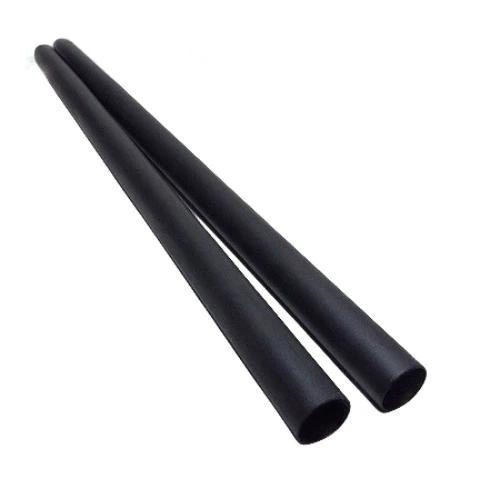
As a supplier of Ru - Ir Coated Titanium Anode Tube, we have developed various techniques to control the surface roughness of our products.
1. Substrate Preparation
The preparation of the titanium substrate is the first step in controlling surface roughness. We can use mechanical methods such as sandblasting or chemical etching to create a desired level of roughness on the titanium surface before coating. Sandblasting involves propelling abrasive particles at high speed onto the substrate surface, which can create a rough and uniform texture. Chemical etching, on the other hand, uses chemical solutions to selectively dissolve the surface of the titanium, resulting in a controlled level of roughness.

2. Coating Process Optimization
The coating process itself also has a significant impact on surface roughness. We carefully select the coating method and optimize the process parameters. For example, in thermal decomposition coating, we control the temperature, heating rate, and coating solution composition to achieve the desired surface morphology. By adjusting these parameters, we can fine - tune the surface roughness of the Ru - Ir coated titanium anode tubes.
Impact of Surface Roughness on Anode Performance in Different Applications
1. Cathodic Protection
In cathodic protection systems, Ru - Ir coated titanium anode tubes are used to protect metal structures from corrosion. The surface roughness of the anode can affect the distribution of the protective current. A rougher surface can lead to a more uniform current distribution, which is beneficial for providing effective protection to the entire metal structure. This is because the larger surface area allows for a more even flow of current from the anode to the cathode, reducing the risk of localized corrosion.
2. MMO Tubular Titanium Anode Applications
MMO Tubular Titanium Anode is another important application area for Ru - Ir coated titanium anode tubes. In these applications, the surface roughness can influence the service life and performance of the anode. A well - controlled surface roughness can ensure stable electrochemical performance over a long period of time, reducing the need for frequent anode replacement and maintenance.
Conclusion
Surface roughness is a critical characteristic of Ru - Ir coated titanium anode tubes that significantly impacts their performance in various electrochemical applications. As a supplier, we understand the importance of controlling surface roughness and have developed advanced manufacturing techniques to meet the specific requirements of our customers. Whether you are involved in copper electrowinning, water treatment, or cathodic protection, the right surface roughness of our Ru - Ir coated titanium anode tubes can enhance the efficiency, productivity, and service life of your electrochemical systems.
If you are interested in our Ru - Ir coated titanium anode tubes or have any questions about surface roughness and its impact on anode performance, please feel free to contact us for further discussion and potential procurement. We are committed to providing high - quality products and professional technical support to meet your needs.
References
- "Electrochemical Engineering" by John Newman and Karen E. Thomas --Alyea.
- "Surface Engineering for Corrosion and Wear Resistance" edited by W. H. S. Wen and A. Matthews.
- Research papers on the application of Ru - Ir coated titanium anodes in electrochemical processes from relevant academic journals.