


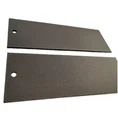
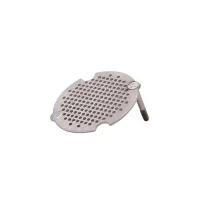


Hey there! I'm a supplier of titanium anodes for PCBs, and today I wanna chat about the role of a titanium anode in the OSP process of PCB.
Understanding the OSP Process in PCB
First off, let's get a quick low - down on what the OSP (Organic Solderability Preservative) process is in the PCB world. OSP is a surface finishing technique used on printed circuit boards. The main goal of the OSP process is to protect the copper surface of the PCB from oxidation and contamination before soldering. It forms a thin, organic film on the copper, which is heat - resistant and can be easily removed during the soldering process, allowing for good solder wetting.
Why Titanium Anodes Matter in OSP
Now, you might be wondering, "What's the big deal about titanium anodes in this OSP process?" Well, titanium anodes play a crucial role in maintaining the quality and efficiency of the OSP process.
1. Electrochemical Stability
Titanium is known for its excellent electrochemical stability. In the OSP process, there are various chemical reactions happening in the solution. The titanium anode can withstand the harsh chemical environment without corroding easily. This stability ensures that the anode doesn't break down and contaminate the OSP solution. If an anode were to corrode, it could release unwanted metal ions into the solution, which would then affect the quality of the organic film formed on the PCB copper surface.
2. Uniform Current Distribution
Another key aspect is the ability of titanium anodes to provide uniform current distribution. In the OSP process, a proper and even current distribution is essential for forming a consistent organic film on the PCB. When the current is evenly distributed across the anode, it ensures that the chemical reactions on the copper surface of the PCB occur uniformly. This results in a high - quality, defect - free organic film that provides reliable protection for the copper.
3. Long - Term Performance
Titanium anodes have a long service life. In a production environment where the OSP process is carried out continuously, having an anode that can last a long time is a huge advantage. It reduces the frequency of anode replacement, which in turn cuts down on production downtime and maintenance costs. This long - term performance is especially important for large - scale PCB manufacturing facilities.
Different Types of Titanium Anodes for PCB and Their Relevance to OSP
As a titanium anode supplier for PCBs, I offer different types of anodes that can be relevant to the OSP process.
Titanium Anode for Reverse Pulse Copper Plating
The Titanium Anode for Reverse Pulse Copper Plating is designed to work in the reverse pulse copper plating process. Although it might seem a bit off - topic from the OSP process at first glance, in a PCB manufacturing line, the copper plating and OSP processes are often part of a sequential production flow. A well - functioning reverse pulse copper plating process can ensure a smooth copper surface on the PCB, which is beneficial for the subsequent OSP process. A smooth copper surface allows for better adhesion and formation of the organic film during OSP.
Titanium Anode for Industrial Etching Machines
The Titanium Anode for Industrial Etching Machines is used in the etching process of PCBs. Etching is another important step before the OSP process. The anode helps in the precise removal of unwanted copper from the PCB. A clean and well - etched PCB provides a better base for the OSP process. If the etching is not done properly, there could be residues or uneven copper surfaces, which would negatively impact the OSP film formation.
Titanium Anode for Copper Plating
The Titanium Anode for Copper Plating is directly related to the copper plating step before OSP. A good copper plating anode ensures a uniform and high - quality copper layer on the PCB. This high - quality copper layer is essential for the OSP process as the organic film needs to adhere well to the copper surface. If the copper plating is uneven or of poor quality, the OSP film may not form correctly, leading to issues such as poor solderability or reduced protection against oxidation.
Factors Affecting the Performance of Titanium Anodes in OSP
There are several factors that can affect how well a titanium anode performs in the OSP process.
1. Anode Coating
The coating on the titanium anode is crucial. Different coatings can have different electrochemical properties. A high - quality coating can enhance the anode's performance in terms of current efficiency and resistance to corrosion. For example, some coatings are designed to improve the anode's ability to generate the right kind of electrochemical reactions in the OSP solution, which is essential for forming a good organic film.
2. Solution Chemistry
The chemistry of the OSP solution itself can impact the anode. The pH level, concentration of various chemicals, and temperature of the solution all play a role. If the solution chemistry is not properly maintained, it can cause the anode to degrade faster or affect its ability to distribute current evenly. For instance, a highly acidic or alkaline solution may corrode the anode coating more quickly.
3. Operating Conditions
The operating conditions, such as the current density and the duration of the OSP process, also matter. If the current density is too high, it can cause over - heating of the anode and lead to coating damage. On the other hand, if the current density is too low, the electrochemical reactions may not occur efficiently, resulting in a poor - quality organic film.
Tips for Optimizing Titanium Anode Use in OSP
Here are some tips for PCB manufacturers to optimize the use of titanium anodes in the OSP process.
1. Regular Maintenance
Regularly inspect the titanium anodes for any signs of damage or wear. Clean the anodes periodically to remove any deposits that may have formed on the surface. This can help maintain the anode's performance and extend its service life.


2. Monitor Solution Chemistry
Keep a close eye on the chemistry of the OSP solution. Regularly test the pH, chemical concentrations, and temperature. Make adjustments as needed to ensure that the solution is in the optimal range for both the OSP process and the anode performance.
3. Choose the Right Anode
Select the appropriate type of titanium anode based on the specific requirements of your OSP process. Consider factors such as the size of the PCB, the production volume, and the quality standards you need to meet.
Wrapping Up and Reaching Out
In conclusion, titanium anodes are an essential part of the OSP process in PCB manufacturing. Their electrochemical stability, ability to provide uniform current distribution, and long - term performance make them invaluable for ensuring high - quality PCB surface finishes.
If you're in the PCB manufacturing business and looking for reliable titanium anodes for your OSP process or other PCB - related processes, I'd love to have a chat with you. Whether you need more information about our products or want to discuss a potential purchase, don't hesitate to reach out. We're here to help you optimize your PCB production process and achieve the best results.
References
- Printed Circuit Board Technology Handbook, Second Edition by Clyde F. Coombs Jr.
- Electrochemical Engineering Principles by John Newman and Karen E. Thomas --Alyea.