


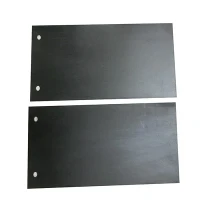


Hey there! As a supplier of titanium anodes for PCBs, I'm super excited to dive into the role of titanium anodes in the hole metallization process of PCBs. Let's get started!
What's Hole Metallization in PCB?
First off, hole metallization is a crucial step in PCB manufacturing. PCBs, or printed circuit boards, are the backbone of most electronic devices. They have holes that need to be filled or coated with metal to create electrical connections between different layers. This process is essential for the proper functioning of the PCB.
Why Titanium Anodes?
Now, you might be wondering why we use titanium anodes in this process. Well, titanium is an amazing material for several reasons. It's highly corrosion - resistant, which is a big deal in the harsh chemical environments used in PCB manufacturing. The plating solutions often contain strong acids and other chemicals that can eat away at less durable materials. But titanium can withstand these conditions, ensuring a long - lasting and reliable anode.
Another great thing about titanium is its excellent electrical conductivity. In the hole metallization process, we need to pass an electric current through the plating solution to deposit metal onto the holes. Titanium anodes allow for efficient transfer of this electrical current, which helps in achieving a uniform and high - quality metal coating on the holes.
The Role of Titanium Anodes in the Process
1. Initiating the Electrochemical Reaction
The hole metallization process is an electrochemical one. When we immerse the PCB and the titanium anode in the plating solution, and apply an electric current, a chemical reaction occurs. The titanium anode acts as the source of electrons. It releases electrons into the solution, which then react with metal ions in the solution. These metal ions are usually copper ions in the case of PCB hole metallization.
For example, in a copper plating solution, copper ions (Cu²⁺) in the solution gain electrons from the anode and are reduced to solid copper (Cu). This copper then deposits on the walls of the holes in the PCB. The titanium anode plays a key role in initiating and sustaining this electrochemical reaction.
2. Maintaining the Plating Process
Titanium anodes help in maintaining a stable plating process. They ensure that the current density is evenly distributed throughout the plating solution. This is important because if the current density is not uniform, the metal deposition on the holes will be uneven. Some areas might get too much metal, while others might get too little. With a titanium anode, we can control the current flow and achieve a consistent and high - quality metal coating on the holes.
3. Controlling the Coating Thickness
The use of titanium anodes also allows us to control the thickness of the metal coating on the holes. By adjusting the current and the time of the plating process, we can precisely determine how thick the copper layer will be. This is crucial because different PCBs have different requirements for the thickness of the hole metallization. For example, some high - performance PCBs might need a thicker copper coating for better electrical conductivity.
Different Types of Titanium Anodes for PCB Hole Metallization
1. Titanium Anode for Industrial Etching Machines
If you're into industrial - scale PCB manufacturing, you might be interested in our Titanium Anode for Industrial Etching Machines. These anodes are designed to handle the high - volume and high - intensity requirements of industrial etching processes. They are built to last and can withstand the rigorous conditions of large - scale production.
2. Titanium Anode for Reverse Pulse Copper Plating
Reverse pulse copper plating is a technique that can improve the quality of the copper coating on the holes. Our Titanium Anode for Reverse Pulse Copper Plating is specifically designed for this process. It helps in achieving a more uniform and dense copper coating, which is essential for high - quality PCBs.
3. Titanium Anode for Copper Plating
Our Titanium Anode for Copper Plating is a general - purpose anode that can be used in various copper plating processes for PCB hole metallization. It provides a reliable and efficient way to deposit copper on the holes, ensuring good electrical conductivity and mechanical strength.
Benefits of Using Our Titanium Anodes
1. High Quality
Our titanium anodes are made from high - grade titanium materials. We use advanced manufacturing processes to ensure that they have excellent corrosion resistance and electrical conductivity. This means that you can expect a high - quality metal coating on your PCB holes, which will improve the performance and reliability of your PCBs.
2. Long - Lasting
Thanks to the corrosion - resistant properties of titanium, our anodes have a long service life. This reduces the need for frequent replacement, which can save you time and money in the long run. You can focus on your PCB manufacturing process without having to worry about anode failure.
3. Customizable
We understand that different PCB manufacturers have different requirements. That's why we offer customizable titanium anodes. We can adjust the size, shape, and coating of the anodes according to your specific needs. Whether you're working on a small - scale project or a large - scale industrial production, we can provide you with the right anode.


How to Choose the Right Titanium Anode
When choosing a titanium anode for PCB hole metallization, there are a few things to consider. First, think about the size and shape of the anode. It should fit well in your plating tank and be able to provide an even distribution of current. Second, consider the coating of the anode. Different coatings can have different effects on the plating process. For example, some coatings can improve the efficiency of the electrochemical reaction.
You also need to think about the type of plating process you're using. If you're using reverse pulse copper plating, then the Titanium Anode for Reverse Pulse Copper Plating would be a good choice. If you're doing industrial - scale etching, then the Titanium Anode for Industrial Etching Machines might be more suitable.
Conclusion
In conclusion, titanium anodes play a vital role in the hole metallization process of PCBs. They initiate the electrochemical reaction, maintain the plating process, and help control the coating thickness. Our titanium anodes offer high quality, long - lasting performance, and customization options.
If you're in the market for titanium anodes for your PCB manufacturing process, we'd love to talk to you. Whether you have questions about our products or want to discuss your specific requirements, feel free to reach out. We're here to help you get the best results for your PCB production.
References
- Some basic knowledge about PCB manufacturing processes from industry textbooks.
- Research papers on the use of titanium anodes in electrochemical processes.