




Hey there! As a supplier of titanium anodes for electroplating, I've been getting a lot of questions lately about plating wettability when using a titanium anode. So, I thought I'd take the time to break it down and share some insights with you all.


First off, let's talk about what plating wettability actually is. In simple terms, wettability refers to how well a liquid (in this case, the plating solution) spreads and adheres to a solid surface (the substrate being plated). Good wettability is crucial for a successful electroplating process because it ensures uniform coating thickness, better adhesion of the plated layer, and overall high - quality plating results.
When it comes to using a titanium anode for electroplating, the wettability of the plating solution on the substrate can be affected by several factors. One of the key factors is the surface condition of the titanium anode itself. A clean and properly prepared titanium anode can have a positive impact on wettability. For example, if the anode surface has contaminants like oils, oxides, or other impurities, it can disrupt the flow of the plating solution and cause uneven wetting on the substrate.
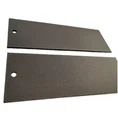
We at our company take great care in preparing our titanium anodes. We use advanced cleaning and surface treatment processes to ensure that the anode surface is in the best possible condition. This helps in promoting better wettability during electroplating. Our Titanium Anode for Chrome Plating is a prime example. It's designed with a smooth and clean surface, which allows the chrome - plating solution to spread evenly on the substrate, resulting in a high - quality chrome finish.
Another factor that affects plating wettability is the composition of the plating solution. Different plating solutions have different surface tensions, and this can influence how well they wet the substrate. The presence of additives in the plating solution can also play a role. Some additives are specifically designed to improve wettability by reducing the surface tension of the solution.
Our Mesh Platinum - Coated Titanium Anode is often used in applications where precise control of the plating process is required. The platinum coating on the titanium mesh not only provides excellent electrical conductivity but also helps in maintaining a stable plating environment. This stability can have a positive effect on the wettability of the plating solution, as it allows for a more consistent flow and distribution of the solution over the substrate.
The shape and design of the titanium anode can also impact wettability. An anode with a well - thought - out design can ensure that the plating solution flows smoothly around the substrate. For instance, a properly shaped anode can prevent the formation of stagnant areas in the plating bath, where the solution might not flow effectively. This can lead to better wetting and more uniform plating.
Our Titanium Anode for Precious Metal Plating is engineered with a design that takes into account the flow dynamics of the precious metal plating solutions. This helps in achieving optimal wettability and high - quality plating of precious metals like gold, silver, and platinum.
Now, let's talk about the benefits of good plating wettability. When the plating solution wets the substrate well, it can cover the entire surface evenly. This means that the plated layer will have a consistent thickness, which is essential for the performance and appearance of the plated product. For example, in the automotive industry, parts that are electroplated with a uniform layer due to good wettability have better corrosion resistance and a more aesthetically pleasing finish.
Good wettability also improves the adhesion of the plated layer to the substrate. A well - adhered plated layer is less likely to peel or flake off, which is crucial for the durability of the product. In the electronics industry, for instance, components with well - adhered plated layers have better electrical conductivity and reliability.
So, if you're in the market for a titanium anode for electroplating and are looking to improve your plating wettability, we're here to help. We've got a wide range of high - quality titanium anodes that are designed to meet your specific electroplating needs. Whether you're plating chrome, precious metals, or other materials, we have the right anode for you.
If you're interested in learning more about our products or have any questions about plating wettability, don't hesitate to reach out. We're always happy to have a chat and discuss how our titanium anodes can enhance your electroplating process. Let's work together to achieve the best plating results!
References
- Jones, A. "Electroplating Basics and Best Practices." Electroplating Journal, 2018.
- Smith, B. "The Impact of Anode Design on Plating Quality." Plating Technology Review, 2020.