


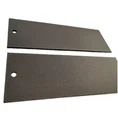
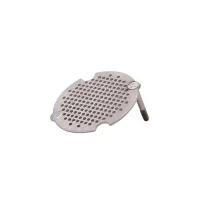


Hey there! As a supplier of titanium anodes for electroplating, I often get asked about all sorts of things related to these anodes. One question that's been coming up more frequently lately is about the plating acoustic property when using a titanium anode for electroplating. So, I thought I'd take some time to break it down and share what I know.
First off, let's talk a bit about electroplating. Electroplating is a process that uses an electric current to deposit a thin layer of metal onto an object. This is done by immersing the object (the cathode) and the anode in an electrolyte solution and applying an electric current. The metal ions in the solution are attracted to the cathode and form a coating on its surface.
Now, titanium anodes are a popular choice for electroplating for several reasons. They're corrosion-resistant, have a long service life, and can provide a stable and uniform plating current. But when it comes to the acoustic property during plating, things get a bit more interesting.
The acoustic property in electroplating refers to the sound or vibrations that occur during the plating process. These sounds can tell us a lot about what's going on in the plating bath. For example, abnormal noises could indicate issues like uneven plating, gas evolution problems, or even mechanical failures in the plating equipment.
When using a titanium anode, the acoustic property can be affected by several factors. One of the main factors is the coating on the titanium anode. Different coatings can have different effects on the electrochemical reactions taking place in the plating bath, which in turn can influence the acoustic signals.
For instance, an Iridium-Tantalum Coated Titanium Anode has a unique coating that is designed to enhance the anode's performance in specific plating applications. This coating can affect the way the anode interacts with the electrolyte and the metal ions, potentially changing the acoustic characteristics of the plating process.
Another factor is the design and shape of the titanium anode. Anodes with different geometries can create different flow patterns in the plating bath, which can also impact the acoustic signals. A well-designed anode can help to ensure a more uniform plating process, which may result in more consistent acoustic properties.
The plating solution itself also plays a crucial role. The composition, concentration, and temperature of the electrolyte can all affect the electrochemical reactions and the resulting acoustic behavior. For example, a higher concentration of metal ions in the solution may lead to more intense plating reactions, which could produce different sounds compared to a lower concentration.
Now, why is it important to pay attention to the acoustic property during electroplating? Well, by monitoring the sounds and vibrations, we can detect potential problems early on. This can save a lot of time and money in the long run. For example, if we hear unusual noises, we can stop the plating process and investigate the issue before it causes significant damage to the plated objects or the plating equipment.
In some cases, the acoustic property can also be used to optimize the plating process. By analyzing the sounds, we can adjust the plating parameters such as the current density, plating time, or electrolyte composition to achieve better plating results.


Let's take a look at some specific plating applications where the acoustic property of titanium anodes can be particularly important.
Precious Metal Plating
When it comes to Titanium Anode for Precious Metal Plating, the quality of the plating is crucial. Precious metals like gold, silver, and platinum are often used in high-end jewelry, electronics, and other applications where a flawless finish is required.
The acoustic property can help us ensure that the plating is uniform and free of defects. Any abnormal sounds during the plating process could indicate problems like poor adhesion, uneven deposition, or the formation of nodules on the plated surface. By monitoring the acoustic signals, we can make adjustments to the plating process to achieve a high-quality precious metal coating.
Chrome Plating
Chrome plating is another common application where titanium anodes are widely used. Titanium Anode for Chrome Plating offers excellent corrosion resistance and can provide a bright and durable chrome finish.
During chrome plating, the acoustic property can be used to monitor the evolution of hydrogen and oxygen gases. Excessive gas evolution can lead to problems like pitting, blistering, or poor adhesion of the chrome coating. By listening to the sounds and vibrations, we can detect abnormal gas evolution and take corrective actions to improve the plating quality.
So, how can you monitor the acoustic property during electroplating? There are several methods available. One simple way is to use a microphone or an acoustic sensor to record the sounds in the plating bath. These recordings can then be analyzed using specialized software to identify any abnormal patterns or frequencies.
Another approach is to use vibration sensors to measure the vibrations of the plating equipment or the anode itself. Changes in the vibration patterns can indicate problems in the plating process.
As a supplier of titanium anodes for electroplating, I understand the importance of providing high-quality products that can meet the specific needs of different plating applications. Our titanium anodes are carefully designed and manufactured to ensure optimal performance and reliability.
If you're interested in learning more about our titanium anodes or have any questions about the plating acoustic property, I'd love to hear from you. Whether you're a small-scale plating shop or a large industrial manufacturer, we can work with you to find the right anode solution for your needs. Just reach out to us to start a conversation about your electroplating requirements and how our titanium anodes can help you achieve better results.
References
- Jones, A. B. (2018). Electroplating Technology: Principles and Applications. Wiley.
- Smith, C. D. (2019). Advanced Anode Materials for Electrochemical Processes. Elsevier.
- Brown, E. F. (2020). Acoustic Monitoring in Industrial Processes. CRC Press.