


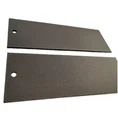
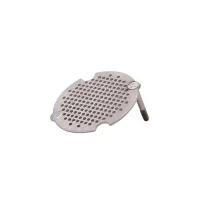


Maintaining a titanium anode in an ionizer is crucial for ensuring its optimal performance, longevity, and the overall efficiency of the ionization process. As a reputable supplier of Titanium Anode for Ionizers, I understand the significance of proper maintenance. In this blog, I will delve into the essential maintenance requirements for a titanium anode in an ionizer, offering valuable insights and practical tips to help you get the most out of your equipment.
Understanding the Role of Titanium Anodes in Ionizers
Before discussing maintenance, it's important to understand why titanium anodes are widely used in ionizers. Titanium is a highly corrosion - resistant metal, which makes it an ideal material for anodes in electrolytic processes. In an ionizer, the anode is responsible for facilitating the oxidation reaction during electrolysis. When an electric current is applied, the anode releases electrons, causing water molecules to break down into ions. This process is essential for generating ionized water, which has various applications, including in health and wellness products such as Titanium Anode for Hydrogen - Rich Water Devices.
Regular Inspection
One of the most fundamental maintenance requirements for a titanium anode in an ionizer is regular inspection. Visual inspection should be carried out at least once a month, depending on the frequency of use. Look for signs of physical damage, such as cracks, chips, or deformation. Any damage to the anode can significantly affect its performance and may lead to uneven electrolysis or even complete failure of the ionizer.
In addition to physical damage, check for signs of corrosion or scaling on the anode surface. Corrosion can occur due to the presence of certain chemicals in the water, such as chlorine or heavy metals. Scaling, on the other hand, is caused by the deposition of minerals from the water, such as calcium and magnesium. Both corrosion and scaling can reduce the efficiency of the anode by blocking the flow of electrons and impeding the electrolysis process.
Cleaning
Cleaning the titanium anode is an essential part of its maintenance. Over time, the anode surface can accumulate dirt, debris, and mineral deposits, which can affect its performance. The cleaning frequency depends on the quality of the water used in the ionizer. If the water has a high mineral content, more frequent cleaning may be required.
To clean the anode, first, turn off the ionizer and disconnect it from the power source to ensure safety. Then, remove the anode from the ionizer carefully. For light dirt and debris, a soft brush or cloth can be used to gently wipe the anode surface. For more stubborn mineral deposits, a mild acid solution can be used. However, it's important to use the right type of acid. Citric acid is a good choice as it is relatively mild and does not damage the titanium surface.
Prepare a solution of citric acid and water, with a concentration of about 5 - 10%. Immerse the anode in the solution for about 15 - 30 minutes, depending on the severity of the scaling. After soaking, rinse the anode thoroughly with clean water to remove any remaining acid and debris. Make sure to dry the anode completely before reinstalling it in the ionizer.
Monitoring Electrolyte Conditions
The electrolyte, which is usually water in an ionizer, plays a crucial role in the performance of the titanium anode. Monitoring the quality and properties of the electrolyte is an important maintenance requirement. The pH level of the water can affect the electrolysis process. A pH level that is too high or too low can cause corrosion or scaling on the anode. It's recommended to maintain the pH level of the water within the range specified by the ionizer manufacturer.


The conductivity of the water is also important. Water with low conductivity may not allow for efficient electrolysis, while water with high conductivity can cause overheating and damage to the anode. You can use a conductivity meter to measure the conductivity of the water and adjust it if necessary. If the conductivity is too low, adding a small amount of electrolyte, such as sodium chloride, can increase it. However, be careful not to add too much, as excessive electrolyte can also cause problems.
Storage
Proper storage of the titanium anode when not in use is also important for its maintenance. If the ionizer is going to be unused for an extended period, the anode should be removed and stored in a dry, clean place. Avoid storing the anode in a humid environment, as this can cause corrosion.
Before storing the anode, make sure it is clean and dry. You can also apply a thin layer of a protective coating, such as a silicone - based spray, to prevent oxidation. When reinstalling the anode after storage, check it for any signs of damage or corrosion before using it again.
Avoiding Overloading
Overloading the ionizer can put excessive stress on the titanium anode and reduce its lifespan. Make sure to operate the ionizer within its specified capacity. Do not try to force the ionizer to produce more ionized water than it is designed to handle. Overloading can cause the anode to overheat, which can lead to thermal damage and a decrease in performance.
Professional Maintenance
While regular inspection and cleaning can be done by the user, it's also advisable to have the ionizer and the titanium anode professionally maintained at least once a year. A professional technician can perform more in - depth checks, such as measuring the electrical resistance of the anode and checking the integrity of the electrical connections. They can also identify and address any potential problems before they become serious.
Conclusion
Proper maintenance of a titanium anode in an ionizer is essential for ensuring its long - term performance and reliability. By following the maintenance requirements outlined in this blog, including regular inspection, cleaning, monitoring electrolyte conditions, proper storage, avoiding overloading, and seeking professional maintenance, you can extend the lifespan of your anode and get the most out of your ionizer.
If you are in the market for high - quality Titanium Anode for Ionizers or Low Energy Loss Water Electrolysis Titanium Anode, we are here to help. Our anodes are made from the highest quality titanium and are designed to provide optimal performance and durability. Contact us to discuss your specific requirements and start a procurement negotiation today.
References
- "Electrochemical Engineering" by Carl K. Dorfler.
- "Corrosion and Protection of Metals" by Pierre R. Roberge.
- Manufacturer's manuals for ionizers and titanium anodes.