




The flow rate of the electrolyte plays a crucial role in the performance of Mixed Metal Oxide (MMO) tubular titanium anodes. As a leading supplier of MMO Tubular Titanium Anodes, I have witnessed firsthand how this seemingly simple variable can have far - reaching effects on anode performance. In this blog, we will explore the impact of electrolyte flow rate on the performance of MMO tubular titanium anodes from multiple perspectives.
Mass Transfer and Reaction Kinetics
One of the primary ways in which the electrolyte flow rate affects the anode performance is through its influence on mass transfer. Mass transfer is the process by which reactants are transported to the anode surface and products are removed from it. A higher flow rate of the electrolyte enhances the convective mass transfer. This means that fresh reactants are continuously supplied to the anode surface, and reaction products are quickly carried away.
For example, in an electro - winning process where metal ions are being deposited at the cathode and oxygen is evolved at the MMO tubular titanium anode, a sufficient electrolyte flow rate ensures that an adequate concentration of metal ions is available near the anode surface. If the flow rate is too low, a depletion layer may form around the anode. In this depletion layer, the concentration of reactants is significantly lower than in the bulk electrolyte. This can lead to a decrease in the reaction rate and an increase in the overpotential. Overpotential is the additional voltage required to drive an electrochemical reaction compared to the theoretical voltage. An increased overpotential not only wastes energy but can also cause side reactions and reduce the overall efficiency of the electrochemical cell.
On the other hand, a very high flow rate can cause excessive turbulence. This turbulence may lead to non - uniform distribution of reactants and products around the anode surface. Some parts of the anode may experience a higher concentration of reactants, while others may be starved. This non - uniformity can result in uneven wear of the MMO coating on the titanium anode, reducing its service life.
Heat Transfer
The flow rate of the electrolyte also affects heat transfer in the electrochemical cell. Electrochemical reactions are often exothermic, and the heat generated needs to be dissipated to maintain a stable operating temperature. A higher electrolyte flow rate can enhance the convective heat transfer coefficient. This means that more heat can be carried away from the anode surface, preventing overheating.
Overheating of the MMO tubular titanium anode can have several negative consequences. It can cause thermal stress on the MMO coating, leading to cracking and delamination. Once the coating is damaged, the underlying titanium substrate may be exposed to the corrosive electrolyte, which can result in rapid corrosion and failure of the anode. Additionally, high temperatures can increase the rate of side reactions, such as the oxidation of the electrolyte components or the decomposition of the MMO coating itself.
However, if the flow rate is too low, heat may accumulate around the anode. This can lead to a local increase in temperature, which in turn can accelerate the degradation of the anode and reduce its performance.
Bubble Formation and Detachment
During the operation of an MMO tubular titanium anode, gas bubbles are often formed at the anode surface. For example, in a water electrolysis process, oxygen bubbles are generated at the anode. The flow rate of the electrolyte can significantly affect the formation and detachment of these bubbles.
A proper electrolyte flow rate helps in the timely detachment of gas bubbles from the anode surface. When bubbles adhere to the anode surface, they can block the active sites for the electrochemical reaction. This reduces the effective surface area of the anode and increases the resistance of the electrochemical cell. A higher flow rate of the electrolyte creates a shear force that can overcome the adhesion force between the bubbles and the anode surface, allowing the bubbles to detach more easily.
If the flow rate is too low, bubbles may accumulate on the anode surface, forming a gas film. This gas film can act as an insulator, further increasing the overpotential and reducing the efficiency of the anode. Conversely, an extremely high flow rate may cause the bubbles to be swept away too quickly, which can disrupt the normal reaction process and lead to an unstable operation of the electrochemical cell.
Impact on Anode Coating Integrity
The MMO coating on the titanium anode is a critical component that determines the anode's performance and service life. The electrolyte flow rate can have an impact on the integrity of this coating.

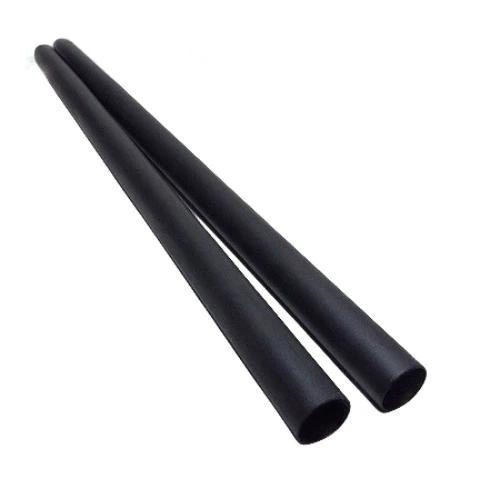
A moderate flow rate helps in maintaining a uniform distribution of the electrolyte around the anode. This uniform distribution ensures that the electrochemical reactions occur evenly across the anode surface, which is beneficial for the long - term stability of the MMO coating. However, a high - velocity electrolyte flow can cause erosion of the MMO coating. The mechanical force exerted by the flowing electrolyte can gradually wear away the coating, exposing the underlying titanium substrate.
Once the titanium substrate is exposed, it can react with the electrolyte, leading to corrosion. Corrosion of the titanium substrate can cause the anode to fail prematurely. Therefore, it is essential to optimize the electrolyte flow rate to balance the benefits of mass transfer, heat transfer, and bubble detachment with the need to protect the integrity of the MMO coating.
Practical Considerations for Different Applications
In different electrochemical applications, the optimal electrolyte flow rate for MMO tubular titanium anodes may vary.
In copper electrowinning, where Copper Electrowinning Titanium Anode is commonly used, a relatively stable and moderate electrolyte flow rate is required. This ensures a continuous supply of copper ions to the anode surface for the oxidation reaction while preventing excessive wear of the anode coating. A flow rate that is too low can result in poor copper deposition quality and low current efficiency, while a very high flow rate can cause mechanical damage to the anode.
For applications such as water treatment using MMO tubular titanium anodes, the flow rate needs to be adjusted according to the water quality and the treatment requirements. In a water disinfection process, a proper flow rate is necessary to ensure that the generated oxidants, such as chlorine or ozone, are evenly distributed in the water and that the anode operates efficiently without excessive wear.
In cathodic protection systems, where Ru - Ir Coated Titanium Anode Tube is often used, the electrolyte flow rate affects the distribution of the protective current. A suitable flow rate helps in maintaining a uniform current density around the protected structure, ensuring effective corrosion protection.
Conclusion
The flow rate of the electrolyte has a profound impact on the performance of MMO tubular titanium anodes. It affects mass transfer, heat transfer, bubble formation and detachment, and the integrity of the anode coating. By optimizing the electrolyte flow rate, we can improve the efficiency, service life, and stability of MMO tubular titanium anodes in various electrochemical applications.
As a supplier of high - quality MMO Tubular Titanium Anodes, we understand the importance of providing our customers with not only excellent anode products but also valuable technical support. If you are interested in our MMO Coated Titanium Disc Anode or other anode products, or if you have any questions regarding the operation and optimization of MMO tubular titanium anodes in your specific application, we encourage you to contact us for a detailed discussion and potential procurement negotiation. We are committed to helping you achieve the best performance and cost - effectiveness in your electrochemical processes.
References
- Newman, J., & Thomas - Alyea, K. E. (2004). Electrochemical Systems. Wiley - Interscience.
- Bockris, J. O'M., & Reddy, A. K. N. (1998). Modern Electrochemistry 2A: Fundamentals of Electrodics. Kluwer Academic Publishers.
- Pourbaix, M. (1974). Atlas of Electrochemical Equilibria in Aqueous Solutions. Pergamon Press.