






In the realm of electrochemistry, the anode plays a pivotal role in driving electrolysis reactions. Among the various types of anodes available, the Ru - Ir coated titanium anode tube has emerged as a remarkable innovation, significantly influencing the kinetics of electrolysis reactions. As a supplier of Ru - Ir coated titanium anode tubes, I am excited to delve into the profound effects this anode has on the kinetics of electrolysis and explore its wide - ranging applications.
The Basics of Electrolysis Kinetics
Before we discuss the impact of Ru - Ir coated titanium anode tubes on electrolysis kinetics, it is essential to understand the fundamentals of electrolysis. Electrolysis is a process that uses an electric current to drive a non - spontaneous chemical reaction. The rate at which this reaction occurs is governed by the kinetics of the electrolysis.
The kinetics of electrolysis is mainly determined by several factors, including the overpotential, the concentration of reactants, the temperature, and the nature of the electrodes. Overpotential is the additional potential required to drive the reaction at a certain rate. A lower overpotential means that the reaction can proceed more easily and at a faster rate.
The Role of Ru - Ir Coated Titanium Anode Tube in Electrolysis Kinetics
Catalytic Activity
One of the most significant effects of the Ru - Ir coated titanium anode tube on electrolysis kinetics is its high catalytic activity. Ruthenium (Ru) and iridium (Ir) are both precious metals known for their excellent catalytic properties. When coated on a titanium substrate, they form a highly active surface that can significantly lower the overpotential of the electrolysis reaction.
For example, in the electrolysis of water to produce hydrogen and oxygen, the Ru - Ir coated titanium anode tube can reduce the overpotential required for the oxygen evolution reaction (OER). This reduction in overpotential means that less energy is needed to drive the reaction, resulting in a more efficient and faster electrolysis process.
Stability
Another important aspect of the Ru - Ir coated titanium anode tube is its stability. Titanium is a highly corrosion - resistant metal, and the Ru - Ir coating further enhances its stability in harsh electrolytic environments. This stability ensures that the anode can maintain its catalytic activity over a long period of time, which is crucial for the long - term performance of the electrolysis system.
In industrial applications, where electrolysis systems often operate continuously for extended periods, the stability of the anode is of utmost importance. The Ru - Ir coated titanium anode tube can withstand high temperatures, high currents, and corrosive electrolytes, making it an ideal choice for various electrolysis processes.

Mass Transfer
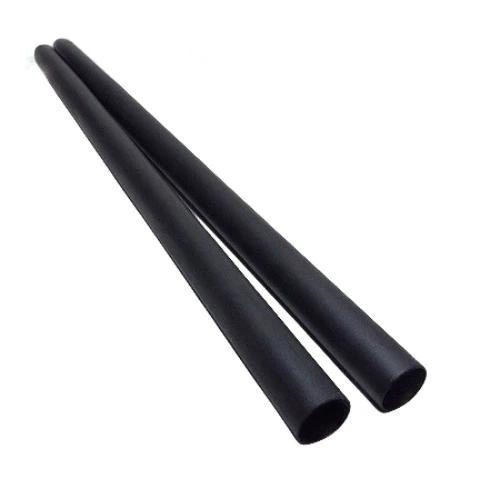
The design of the Ru - Ir coated titanium anode tube also has an impact on the mass transfer in the electrolysis cell. The tubular shape of the anode provides a large surface area for the reaction to occur, which facilitates the transfer of reactants and products between the electrode and the electrolyte.
This enhanced mass transfer can improve the kinetics of the electrolysis reaction by ensuring that the reactants are continuously supplied to the electrode surface and the products are efficiently removed. As a result, the reaction rate can be increased, and the overall efficiency of the electrolysis process can be improved.
Applications of Ru - Ir Coated Titanium Anode Tube
Chlor - Alkali Industry
In the chlor - alkali industry, the Ru - Ir coated titanium anode tube is widely used in the electrolysis of brine to produce chlorine and caustic soda. The high catalytic activity of the anode reduces the energy consumption of the electrolysis process, making it more cost - effective.
The stability of the Ru - Ir coated titanium anode tube also ensures a long service life, which is essential for the continuous operation of the chlor - alkali plants. Moreover, the improved mass transfer provided by the tubular design helps to maintain a high reaction rate, increasing the productivity of the process.
Electroplating
In electroplating applications, the Ru - Ir coated titanium anode tube can be used to deposit various metals onto substrates. The high catalytic activity of the anode allows for a more uniform and efficient deposition of the metal, resulting in a better - quality coating.
The stability of the anode also ensures that the electroplating process can be carried out consistently over time, reducing the need for frequent anode replacement. This not only saves costs but also improves the overall efficiency of the electroplating process.
Water Treatment
In water treatment, the Ru - Ir coated titanium anode tube can be used for the electrochemical oxidation of organic pollutants. The high catalytic activity of the anode can break down organic compounds into smaller, less harmful substances, improving the quality of the water.
The tubular design of the anode provides a large surface area for the reaction, which enhances the efficiency of the oxidation process. Additionally, the stability of the anode ensures that it can operate effectively in different water conditions, making it a reliable solution for water treatment applications.
Comparison with Other Anodes
Platinum - Coated Titanium Anode
The Platinum - Coated Titanium Anode is another popular choice in electrochemistry. While platinum is also a highly catalytic metal, the Ru - Ir coated titanium anode tube offers several advantages.
The cost of platinum is significantly higher than that of ruthenium and iridium, making the Ru - Ir coated titanium anode tube a more cost - effective option. Moreover, the Ru - Ir coating can provide comparable catalytic activity to platinum in many electrolysis reactions, especially in the oxygen evolution reaction.
Copper Electrowinning Titanium Anode
The Copper Electrowinning Titanium Anode is specifically designed for copper electrowinning processes. The Ru - Ir coated titanium anode tube can also be used in copper electrowinning, offering higher catalytic activity and better stability compared to some traditional anodes.
The Ru - Ir coating can reduce the overpotential of the copper deposition reaction, leading to a more efficient electrowinning process. Additionally, the tubular design of the anode can improve the mass transfer, further enhancing the performance of the copper electrowinning system.
Conclusion
The Ru - Ir coated titanium anode tube has a profound effect on the kinetics of electrolysis reactions. Its high catalytic activity, stability, and enhanced mass transfer properties make it an ideal choice for a wide range of electrolysis applications, including the chlor - alkali industry, electroplating, and water treatment.
Compared to other anodes, such as the platinum - coated titanium anode and the copper electrowinning titanium anode, the Ru - Ir coated titanium anode tube offers a cost - effective and high - performance solution. If you are looking for a reliable anode for your electrolysis process, the Ru - Ir Coated Titanium Anode Tube is definitely worth considering.
We are a professional supplier of Ru - Ir coated titanium anode tubes, and we are committed to providing high - quality products and excellent customer service. If you have any questions or are interested in purchasing our products, please feel free to contact us for further discussion and negotiation.
References
- Bockris, J. O'M., & Reddy, A. K. N. (1970). Modern Electrochemistry. Plenum Press.
- Trasatti, S. (1980). Electrodes of Conductive Metallic Oxides. Elsevier.
- Bard, A. J., & Faulkner, L. R. (2001). Electrochemical Methods: Fundamentals and Applications. John Wiley & Sons.