




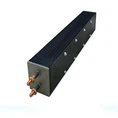

In the realm of electrochemistry and industrial applications, platinum-coated titanium anodes have emerged as a cornerstone technology, offering unparalleled performance and durability. As a leading supplier of platinum-coated titanium anodes, we are often asked about the corrosion resistance of these remarkable components. In this blog post, we will delve into the science behind the corrosion resistance of platinum-coated titanium anodes, exploring the factors that contribute to their longevity and reliability.


Understanding the Basics of Platinum-Coated Titanium Anodes
Before we discuss the corrosion resistance of platinum-coated titanium anodes, it is essential to understand their basic structure and function. A platinum-coated titanium anode consists of a titanium substrate that is coated with a thin layer of platinum. Titanium is chosen as the substrate material due to its excellent mechanical properties, high strength-to-weight ratio, and resistance to corrosion in many environments. Platinum, on the other hand, is a noble metal known for its high electrical conductivity, chemical stability, and resistance to oxidation.
The combination of titanium and platinum creates a synergistic effect, where the titanium substrate provides the structural support and the platinum coating provides the electrocatalytic activity and corrosion resistance. This makes platinum-coated titanium anodes ideal for a wide range of applications, including electroplating, electrolysis, cathodic protection, and water treatment.
Corrosion Resistance Mechanisms of Platinum-Coated Titanium Anodes
The corrosion resistance of platinum-coated titanium anodes is primarily attributed to the following mechanisms:
1. Passivation of the Titanium Substrate
Titanium has a natural tendency to form a thin, protective oxide layer on its surface when exposed to oxygen. This oxide layer, known as the passive film, acts as a barrier between the titanium substrate and the surrounding environment, preventing further corrosion. The passive film is self-healing, meaning that if it is damaged, it can reform spontaneously in the presence of oxygen.
The platinum coating on the titanium anode enhances the passivation process by providing a more stable and uniform surface for the formation of the passive film. The platinum atoms in the coating act as nucleation sites for the growth of the oxide layer, resulting in a more compact and adherent passive film. This, in turn, improves the corrosion resistance of the anode.
2. Chemical Inertness of Platinum
Platinum is a noble metal that is highly resistant to chemical attack. It does not react with most acids, bases, or oxidizing agents under normal conditions. This chemical inertness makes platinum an ideal material for use in harsh environments where corrosion is a major concern.
The platinum coating on the titanium anode acts as a protective barrier, preventing the titanium substrate from coming into contact with the corrosive environment. Even if the passive film on the titanium substrate is damaged, the platinum coating can still provide a high level of corrosion resistance.
3. Electrocatalytic Activity of Platinum
Platinum is also known for its excellent electrocatalytic activity, which means that it can facilitate electrochemical reactions at the anode surface. In many applications, such as electroplating and electrolysis, the anode is subjected to high current densities, which can lead to corrosion. However, the electrocatalytic activity of platinum allows it to efficiently transfer electrons during the electrochemical reactions, reducing the overpotential and minimizing the corrosion rate.
Factors Affecting the Corrosion Resistance of Platinum-Coated Titanium Anodes
While platinum-coated titanium anodes offer excellent corrosion resistance, several factors can affect their performance and longevity. These factors include:
1. Coating Thickness
The thickness of the platinum coating is an important factor that affects the corrosion resistance of the anode. A thicker coating provides better protection against corrosion, as it can withstand more wear and tear over time. However, a thicker coating also increases the cost of the anode, so a balance must be struck between performance and cost.
2. Coating Quality
The quality of the platinum coating is also crucial for ensuring good corrosion resistance. A high-quality coating should be uniform, dense, and free of defects such as cracks, pores, or delamination. Any defects in the coating can provide a pathway for the corrosive environment to reach the titanium substrate, leading to corrosion.
3. Operating Conditions
The operating conditions, such as temperature, pH, and electrolyte composition, can also have a significant impact on the corrosion resistance of the anode. For example, high temperatures and acidic or alkaline environments can accelerate the corrosion process. Therefore, it is important to choose the appropriate anode material and coating thickness based on the specific operating conditions.
4. Maintenance and Care
Proper maintenance and care of the anode are essential for ensuring its long-term performance and corrosion resistance. This includes regular cleaning, inspection, and replacement of the anode when necessary. Failure to maintain the anode can lead to premature corrosion and failure.
Applications of Platinum-Coated Titanium Anodes
Platinum-coated titanium anodes are used in a wide range of applications, including:
1. Electroplating
In electroplating, platinum-coated titanium anodes are used to deposit a thin layer of metal onto a substrate. The high electrocatalytic activity of platinum allows for efficient deposition of the metal, resulting in a uniform and high-quality coating.
2. Electrolysis
In electrolysis, platinum-coated titanium anodes are used to generate gases or produce chemicals through electrochemical reactions. The corrosion resistance of the anode ensures long-term stability and reliability in the harsh electrolysis environment.
3. Cathodic Protection
In cathodic protection, platinum-coated titanium anodes are used to protect metal structures from corrosion by providing a sacrificial anode. The high corrosion resistance of the anode ensures that it can provide long-term protection without being consumed too quickly.
4. Water Treatment
In water treatment, platinum-coated titanium anodes are used to disinfect water by generating chlorine or other disinfectants through electrochemical reactions. The corrosion resistance of the anode ensures that it can operate efficiently in the presence of corrosive chemicals.
Our Product Offerings
As a leading supplier of platinum-coated titanium anodes, we offer a wide range of products to meet the diverse needs of our customers. Our product portfolio includes MMO Tubular Titanium Anode, MMO Coated Titanium Disc Anode, and Copper Electrowinning Titanium Anode.
Our products are manufactured using the latest technology and high-quality materials to ensure excellent performance and corrosion resistance. We also offer customized solutions to meet the specific requirements of our customers.
Conclusion
In conclusion, platinum-coated titanium anodes offer excellent corrosion resistance due to the passivation of the titanium substrate, the chemical inertness of platinum, and the electrocatalytic activity of platinum. However, several factors, such as coating thickness, coating quality, operating conditions, and maintenance, can affect their performance and longevity.
As a leading supplier of platinum-coated titanium anodes, we are committed to providing high-quality products and excellent customer service. If you are interested in learning more about our products or have any questions about the corrosion resistance of platinum-coated titanium anodes, please do not hesitate to contact us. We look forward to working with you to meet your electrochemistry needs.
References
- Fontana, M. G., & Greene, N. D. (1967). Corrosion engineering. McGraw-Hill.
- Uhlig, H. H., & Revie, R. W. (1985). Corrosion and corrosion control. Wiley.
- Jones, D. A. (1996). Principles and prevention of corrosion. Prentice Hall.