


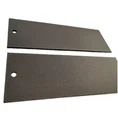
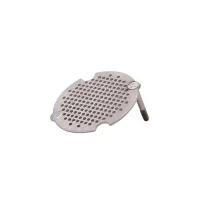


In the dynamic landscape of the food industry, technological advancements play a pivotal role in ensuring product quality, safety, and efficiency. One such innovation that has gained significant traction is the lead dioxide titanium anode. As a leading supplier of lead dioxide titanium anodes, I am excited to delve into the diverse applications of this remarkable technology in the food industry.
Water Treatment
Water is the lifeblood of the food industry, used in various processes such as cleaning, washing, and ingredient preparation. Ensuring the quality of water is crucial to prevent contamination and maintain the integrity of food products. Lead dioxide titanium anodes are widely used in water treatment systems to disinfect and purify water.
When an electric current is applied to the lead dioxide titanium anode in water, it generates powerful oxidizing agents such as hydroxyl radicals and chlorine. These oxidizing agents effectively kill bacteria, viruses, and other microorganisms, as well as break down organic contaminants. This process not only improves the microbial quality of water but also reduces the levels of harmful chemicals and heavy metals.
In addition to disinfection, lead dioxide titanium anodes can also be used for desalination and deionization of water. By removing salts and other ions from water, these anodes help to improve the taste and quality of water, making it suitable for use in food processing. For example, in the production of beverages such as soft drinks and juices, high-quality water is essential to ensure the consistency and flavor of the final product.
Food Preservation
Food preservation is a critical aspect of the food industry, aimed at extending the shelf life of food products and maintaining their quality and safety. Lead dioxide titanium anodes offer a novel approach to food preservation by generating reactive oxygen species (ROS) that can inhibit the growth of spoilage microorganisms and prevent the oxidation of food components.
In the packaging of food products, lead dioxide titanium anodes can be incorporated into the packaging material or used in a separate device to generate ROS. These ROS can penetrate the packaging and interact with the food surface, effectively inhibiting the growth of bacteria, fungi, and yeasts. This not only extends the shelf life of the food product but also reduces the need for chemical preservatives, making the food more natural and healthy.
Moreover, lead dioxide titanium anodes can be used in the storage of fresh produce such as fruits and vegetables. By generating ROS in the storage environment, these anodes can slow down the ripening process, reduce the incidence of decay, and maintain the nutritional value of the produce. This is particularly important for the transportation and storage of fresh produce over long distances, where maintaining freshness and quality is a challenge.
Electrochemical Synthesis
The food industry often requires the synthesis of various chemicals and additives, such as flavorings, colorants, and preservatives. Lead dioxide titanium anodes can be used in electrochemical synthesis processes to produce these chemicals in a more sustainable and efficient manner.
In electrochemical synthesis, an electric current is passed through an electrolyte solution containing the reactants. The lead dioxide titanium anode acts as a catalyst, facilitating the chemical reactions and promoting the formation of the desired products. This process offers several advantages over traditional chemical synthesis methods, including higher selectivity, lower energy consumption, and reduced environmental impact.
For example, lead dioxide titanium anodes can be used in the synthesis of organic acids such as citric acid and lactic acid. These acids are widely used in the food industry as acidulants, preservatives, and flavor enhancers. By using electrochemical synthesis, the production of these acids can be carried out under milder conditions, resulting in higher yields and better product quality.
Wastewater Treatment
The food industry generates a significant amount of wastewater, which contains various organic and inorganic pollutants. Proper treatment of this wastewater is essential to prevent environmental pollution and comply with regulatory requirements. Lead dioxide titanium anodes are increasingly being used in wastewater treatment systems to degrade organic pollutants and remove heavy metals.
In wastewater treatment, lead dioxide titanium anodes are used in electrochemical oxidation processes. When an electric current is applied to the anode, it generates hydroxyl radicals that can oxidize organic pollutants into carbon dioxide and water. This process is highly effective in removing a wide range of organic contaminants, including dyes, pesticides, and pharmaceuticals.
In addition to organic pollutant degradation, lead dioxide titanium anodes can also be used for the removal of heavy metals from wastewater. By electroplating the heavy metals onto the anode surface, these anodes can effectively reduce the concentration of heavy metals in the wastewater, making it safe for discharge or reuse.
Comparison with Other Anodes
While lead dioxide titanium anodes offer numerous advantages in the food industry, it is important to compare them with other types of anodes to understand their relative performance. Some of the commonly used anodes in the food industry include Platinum-Coated Titanium Anode, Ru-Ir Coated Titanium Anode Tube, and Ruthenium-Iridium Coated Titanium Anode Plate.

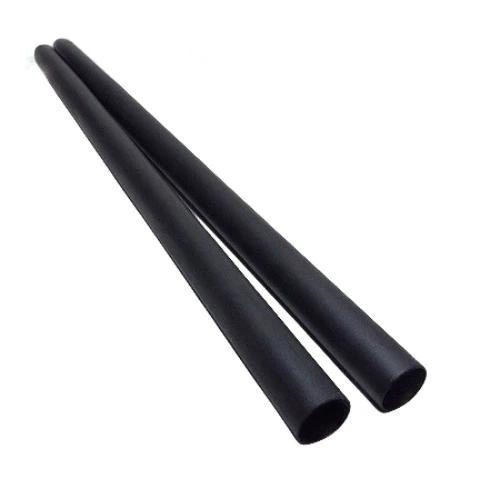
Platinum-coated titanium anodes are known for their high catalytic activity and corrosion resistance. However, they are relatively expensive, which limits their widespread use in the food industry. Ru-Ir coated titanium anodes offer good catalytic performance and are more cost-effective than platinum-coated anodes. They are commonly used in water treatment and electrochemical synthesis applications. Ruthenium-iridium coated titanium anode plates are also widely used in the food industry, especially in wastewater treatment and electroplating processes.
Compared to these anodes, lead dioxide titanium anodes offer a unique combination of high catalytic activity, good corrosion resistance, and relatively low cost. They are particularly suitable for applications where the generation of powerful oxidizing agents is required, such as water disinfection and food preservation.
Conclusion
The applications of lead dioxide titanium anodes in the food industry are diverse and far-reaching. From water treatment and food preservation to electrochemical synthesis and wastewater treatment, these anodes offer a sustainable and efficient solution to many of the challenges faced by the food industry. As a supplier of lead dioxide titanium anodes, we are committed to providing high-quality products and technical support to our customers in the food industry.
If you are interested in learning more about the applications of lead dioxide titanium anodes in your specific food processing operations or would like to discuss potential procurement opportunities, please do not hesitate to contact us. We look forward to the possibility of working with you to enhance the quality, safety, and efficiency of your food production processes.
References
- Chen, S., & Li, X. (2018). Electrochemical oxidation of organic pollutants using lead dioxide anodes: A review. Chemical Engineering Journal, 334, 113-125.
- Feng, Y., & Li, C. (2019). Application of lead dioxide anode in electrochemical treatment of wastewater. Journal of Environmental Sciences, 78, 130-138.
- Huang, X., & Zhang, Y. (2020). Electrochemical synthesis of organic compounds using lead dioxide anodes. Organic Process Research & Development, 24(10), 1977-1986.
- Wang, J., & Liu, H. (2021). Use of lead dioxide anodes in food preservation and water treatment. Food Science and Technology Research, 27(3), 321-328.