





In today's world, water treatment is a critical process that ensures the availability of clean and safe water for various applications, from industrial use to drinking water supply. One of the key components in many water treatment systems is the anode. Among the different types of anodes available, the platinum-coated titanium anode stands out due to its numerous advantages. As a supplier of Platinum-Coated Titanium Anodes, I am excited to share with you the benefits of using these anodes in water treatment.
High Corrosion Resistance
One of the most significant advantages of platinum-coated titanium anodes is their exceptional corrosion resistance. Titanium is a highly corrosion-resistant metal on its own, but when coated with platinum, its resistance to corrosion is further enhanced. In water treatment applications, anodes are often exposed to harsh chemical environments, including acidic or alkaline solutions, as well as various contaminants. The platinum coating acts as a protective layer, preventing the titanium substrate from corroding and ensuring the long-term stability of the anode. This means that the anode can maintain its performance over an extended period, reducing the need for frequent replacements and lowering the overall cost of water treatment.
High Conductivity
Platinum is an excellent conductor of electricity, and when coated on a titanium substrate, it provides a highly conductive surface for the electrochemical reactions that occur during water treatment. High conductivity is essential for efficient water treatment processes, as it allows for the rapid transfer of electrons between the anode and the water. This results in faster reaction rates and more effective removal of contaminants from the water. For example, in electrocoagulation processes, where metal ions are released from the anode to coagulate suspended particles in the water, high conductivity ensures that the metal ions are released quickly and evenly, improving the coagulation efficiency.
Catalytic Activity
Platinum has unique catalytic properties that make it an ideal material for promoting electrochemical reactions in water treatment. It can catalyze the oxidation of various organic and inorganic contaminants in the water, such as heavy metals, pesticides, and microorganisms. This catalytic activity helps to break down these contaminants into less harmful substances, making the water safer for use. For instance, in the treatment of wastewater containing organic pollutants, platinum-coated titanium anodes can catalyze the oxidation of the organic compounds into carbon dioxide and water, effectively removing them from the water.
Versatility
Platinum-coated titanium anodes are highly versatile and can be used in a wide range of water treatment applications. They can be used in different types of water treatment processes, including electrocoagulation, electrooxidation, and electrochlorination. In electrocoagulation, the anode is used to generate metal ions that coagulate suspended particles in the water. In electrooxidation, the anode is used to oxidize organic and inorganic contaminants in the water. And in electrochlorination, the anode is used to produce chlorine from the chloride ions in the water, which can be used as a disinfectant. This versatility makes platinum-coated titanium anodes a popular choice for water treatment plants and industries that require a reliable and efficient anode for their water treatment processes.
Low Overpotential
Overpotential is the additional voltage required to drive an electrochemical reaction at an electrode. A low overpotential is desirable in water treatment applications because it reduces the energy consumption of the process. Platinum-coated titanium anodes have a relatively low overpotential, which means that they can operate at a lower voltage compared to other types of anodes. This results in significant energy savings, especially in large-scale water treatment plants where the energy consumption can be a major cost factor.
Compatibility with Different Water Conditions
Platinum-coated titanium anodes are compatible with a wide range of water conditions, including different pH values and temperatures. They can operate effectively in both acidic and alkaline waters, as well as in waters with high or low salt concentrations. This makes them suitable for use in various water sources, such as freshwater, seawater, and brackish water. Whether you are treating drinking water, industrial wastewater, or seawater for desalination, platinum-coated titanium anodes can provide reliable performance.

Long Service Life
Due to their high corrosion resistance, high conductivity, and catalytic activity, platinum-coated titanium anodes have a long service life. They can withstand the harsh conditions of water treatment processes and maintain their performance over many years. This long service life not only reduces the cost of anode replacement but also minimizes the downtime associated with anode maintenance and replacement. For water treatment plants and industries, this means increased productivity and reduced operating costs.
Environmental Friendliness
In today's environmentally conscious world, the use of environmentally friendly materials and processes is becoming increasingly important. Platinum-coated titanium anodes are a sustainable choice for water treatment because they do not release harmful substances into the environment during their operation. The platinum coating is stable and does not leach into the water, ensuring that the treated water remains safe for use. Additionally, the long service life of the anodes reduces the amount of waste generated from anode replacements, further contributing to environmental sustainability.
Availability of Different Configurations
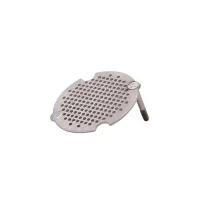
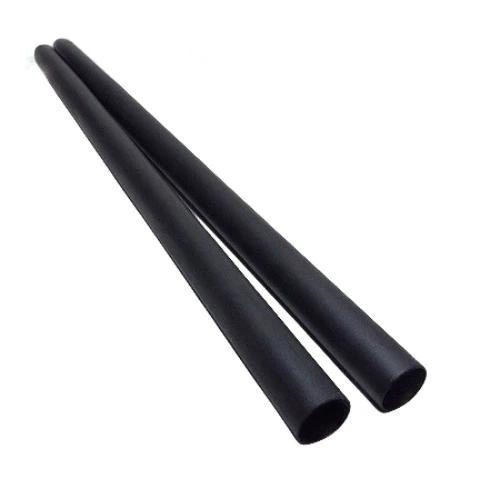
As a supplier of Platinum-Coated Titanium Anodes, we offer a wide range of anode configurations to meet the specific needs of different water treatment applications. Whether you need a flat anode, a tubular anode, or a custom-designed anode, we can provide you with the right solution. For example, our Copper Electrowinning Titanium Anode is specifically designed for copper electrowinning processes, while our Ru-Ir Coated Titanium Anode Tube is suitable for applications where a tubular anode is required. We also offer MMO Coated Titanium Disc Anode for applications that require a disc-shaped anode.
In conclusion, the advantages of using a platinum-coated titanium anode in water treatment are numerous. From high corrosion resistance and conductivity to catalytic activity and versatility, these anodes offer a reliable and efficient solution for a wide range of water treatment applications. If you are looking for a high-quality anode for your water treatment process, we invite you to contact us to discuss your specific requirements. Our team of experts can provide you with detailed information about our products and help you choose the right anode for your application. We are committed to providing our customers with the best products and services, and we look forward to working with you to achieve your water treatment goals.
References
- "Electrochemical Water Treatment Technologies for the Removal of Contaminants of Emerging Concern: A Review." by M. A. Rodrigo et al., Chemical Engineering Journal, 2018.
- "Advances in Electrochemical Water Treatment Technologies for Environmental Remediation." by C. A. Martínez-Huitle et al., Chemical Reviews, 2015.
- "Electrochemical Oxidation of Organic Pollutants for the Wastewater Treatment: Direct and Indirect Processes." by M. A. Rodrigo et al., Chemical Society Reviews, 2010.