


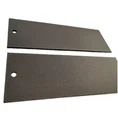
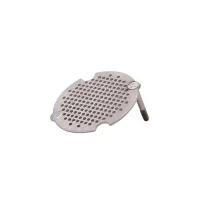


Yo, if you're in the market for compact electrolysis titanium anodes like I am as a supplier, you'll know that the adhesion of the coating on these anodes is a big deal. A strong coating adhesion ensures the anode's long - term performance, stability, and durability. So, let's dig into some effective ways to improve that coating adhesion.
Surface Preparation
One of the most crucial steps in getting good coating adhesion is proper surface preparation of the titanium anode. Titanium has a natural oxide layer that forms quickly when it's exposed to air. While this layer can protect the titanium from corrosion, it can also act as a barrier between the coating and the base metal.
To combat this, we need to clean the surface thoroughly. First off, mechanical cleaning is a great start. You can use methods like sandblasting or grinding. Sandblasting uses high - velocity sand particles to remove any contaminants, rough up the surface, and increase the surface area available for the coating to bond to. Grinding, on the other hand, can smooth out any large irregularities and also create a bit of a rough finish.
After mechanical cleaning, chemical cleaning is essential. You can use a solution of acids like hydrochloric acid or sulfuric acid to remove the oxide layer. But be careful! The concentration and the soaking time need to be just right. Too strong an acid or too long a soaking time can damage the titanium surface. After the acid bath, rinse the anode thoroughly with deionized water to remove any acid residues.
Coating Material Selection
The choice of coating material has a huge impact on adhesion. You want to pick a coating material that has good chemical compatibility with titanium. For example, metal oxides are widely used in coatings for electrolysis titanium anodes. RuO₂, IrO₂, and TiO₂ are common choices. These metal oxides can form a stable chemical bond with the titanium surface under certain conditions.
When selecting the coating material, consider its thermal expansion coefficient. It should be close to that of titanium. If there's a big difference in the thermal expansion coefficients between the coating and the titanium, during heating or cooling processes (which often happen during the anode's operation), stresses can build up at the interface between the coating and the titanium. This can lead to the coating cracking or peeling off.
We offer different types of anodes with specialized coatings. For instance, our Titanium Anode for Ionizers uses a carefully selected coating material to ensure excellent performance and adhesion in ionizing applications.
Coating Application Techniques
The way you apply the coating also matters a lot. One popular method is dip - coating. In dip - coating, the titanium anode is dipped into a solution containing the coating material. The concentration of the solution, the dipping speed, and the number of dips all affect the coating's thickness and adhesion.
Another method is spray - coating. Spray - coating allows for more control over the coating thickness distribution. You can adjust the spray pattern, pressure, and flow rate to get an even coating on the anode surface.
During the application process, it's important to control the environmental conditions. The humidity and temperature can influence how the coating dries and bonds to the titanium. Generally, a clean, dry, and temperature - controlled environment is ideal.
Heat Treatment
Heat treatment can significantly improve the adhesion between the coating and the titanium anode. After applying the coating, a heat treatment process can be carried out. This process helps to strengthen the chemical bonds between the coating material and the titanium.
The heat treatment parameters, such as the temperature and the duration, need to be carefully set. Too high a temperature can cause the coating to crack or the titanium to experience excessive oxidation. The heat treatment can also help relieve internal stresses in the coating that may have developed during the application process.


Post - treatment and Quality Control
Once the coating is applied and heat - treated, post - treatment steps can further enhance the adhesion. For example, a passivation treatment can be performed. This creates a thin, protective layer on the coating surface, which can prevent oxidation and improve the overall durability of the coating.
Quality control is also a must. Regularly test the coating adhesion using methods like the cross - hatch test or the pull - off test. The cross - hatch test involves making a series of cuts in the coating in a grid pattern and then applying and removing adhesive tape. By examining how much of the coating is removed by the tape, you can assess the adhesion strength.
Our Acidic Water Electrolysis Titanium Anode and Low Energy Loss Water Electrolysis Titanium Anode go through strict quality control processes to ensure the coating adhesion meets the highest standards.
Conclusion
Improving the adhesion of the coating on a compact electrolysis titanium anode involves a series of steps, from proper surface preparation to careful coating selection, application, heat treatment, and quality control. By paying attention to each of these steps, you can ensure that your anodes have a long service life and excellent performance.
If you're interested in our high - quality compact electrolysis titanium anodes or want to discuss how we can meet your specific requirements, don't hesitate to reach out. Let's have a chat about your needs and how we can work together.
References
- Some general materials on electrochemistry and anode manufacturing processes from industry - recognized textbooks.
- Research papers on coating adhesion improvement in metal - based anodes from well - known scientific journals.