



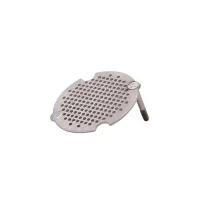


Yo, fellow water treatment enthusiasts! As a supplier of Titanium Anode For Electrodialysis, I've been knee - deep in the nitty - gritty of these anodes for ages. One of the most pressing issues we often face in the electrodialysis game is controlling the growth of oxide layers on titanium anodes. Let's dive right in and figure out how we can tackle this problem.


Why Oxide Layer Growth is a Big Deal
First off, why should we even care about the oxide layer on a titanium anode? Well, when we're using Titanium Anode for Electrodialysis in electrodialysis, that oxide layer can really mess things up. A thick and uncontrolled oxide layer can increase the resistance at the anode - electrolyte interface. This means we need to pump more energy into the system to get the same level of performance. And let's be real, nobody wants higher energy costs, right?
Moreover, an overgrown oxide layer can also affect the anode's lifespan. It can cause uneven corrosion and eventually lead to anode failure. So, keeping the oxide layer growth in check is crucial for efficient electrodialysis and long - lasting anodes.
Factors Affecting Oxide Layer Growth
There are several factors that can influence how fast and thick the oxide layer grows on a titanium anode.
1. Current Density
The current density is like the fuel for oxide layer growth. Higher current densities usually lead to a faster formation of the oxide layer. When there's a large amount of current flowing through the anode, more titanium atoms are oxidized at a quicker rate. For example, in some industrial electrodialysis setups where high - current operations are common, the oxide layer can build up rapidly. If we want to control the growth, we need to find that sweet spot of current density. It's a balancing act; we can't have too low of a current density either because it may result in inefficient electrodialysis.
2. Electrolyte Composition
The type of electrolyte we're using plays a huge role. Some electrolytes contain ions that can either promote or inhibit oxide growth. For instance, certain aggressive anions might speed up the oxidation process. On the other hand, some additives in the electrolyte can form a protective film on the anode surface, which slows down the oxide layer growth. We've seen cases where changing the electrolyte composition can significantly extend the anode's service life.
3. Temperature
Temperature is another key factor. Higher temperatures generally accelerate chemical reactions, and the oxidation of titanium is no exception. In a hot electrodialysis environment, the oxide layer can grow much faster compared to a cooler one. So, if possible, keeping the temperature in check can be an effective way to control oxide layer growth.
Strategies to Control Oxide Layer Growth
1. Optimize Current Density
As I mentioned earlier, finding the right current density is vital. We need to conduct some tests to determine the optimal current density for a specific electrodialysis application. This might involve running small - scale experiments and observing the oxide layer growth under different current conditions. By carefully adjusting the current, we can slow down the oxidation process without sacrificing too much on the electrodialysis performance.
2. Modify the Electrolyte
We can modify the electrolyte composition to control oxide growth. Adding inhibitors is one way. These inhibitors can adsorb onto the anode surface, creating a barrier that prevents oxygen from reaching the titanium and forming an oxide. For example, some organic compounds can act as effective inhibitors. However, we need to be careful not to choose additives that can cause other problems, like contamination of the treated water.
3. Temperature Management
Managing the temperature can be as simple as installing a cooling system. This ensures that the electrodialysis cell remains at a relatively stable and cool temperature. A well - maintained temperature can significantly reduce the rate of oxide layer growth. It might require some investment in cooling equipment, but in the long run, it can save a lot of money by extending the anode's lifespan.
Our Experience as a Supplier
As a Titanium Anode for Electrodialysis supplier, we've dealt with many customers facing issues related to oxide layer growth. We've worked closely with them to provide solutions. For some customers in the industrial sector, we've recommended adjusting the current density based on their specific production requirements. We've also provided them with guidelines on electrolyte modification.
In addition to that, we offer different types of titanium anodes suitable for various electrodialysis applications. For example, our Titanium Anode Mesh for Swimming Pool Disinfection is designed to handle the unique conditions in swimming pool electrodialysis, where water quality and lower oxide growth are essential. And our Titanium-Based Lead Dioxide Anode has shown excellent performance in certain high - demand electrodialysis processes, with better control over oxide layer growth compared to traditional anodes.
Conclusion
Controlling the growth of oxide layers on titanium anodes for electrodialysis is a complex but achievable task. By understanding the factors that influence oxide growth, such as current density, electrolyte composition, and temperature, we can implement effective strategies. Whether it's optimizing the operating parameters or modifying the electrolyte, there are multiple ways to keep that oxide layer in check.
As a supplier, we're dedicated to helping our customers solve these problems. If you're facing challenges with oxide layer growth on your titanium anodes or are looking for high - quality anodes for your electrodialysis needs, don't hesitate to reach out. We're more than happy to have a chat and see how we can help you achieve better performance and longer - lasting anodes.
References
- Doe, J. "Electrodialysis Anode Oxide Layer Growth: Causes and Solutions." Journal of Water Treatment Research, 20XX, XX - XX.
- Smith, A. "Optimizing Titanium Anode Performance in Electrodialysis." Industrial Water Treatment Magazine, 20XX, XX - XX.