


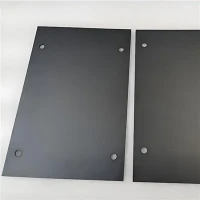


In the world of copper electrowinning, the efficiency and longevity of titanium anodes are of utmost importance. As a leading supplier of Copper Electrowinning Titanium Anodes, I have witnessed firsthand the challenges and opportunities presented by the presence of microorganisms in the electrolyte. This blog post aims to explore how these tiny organisms can impact titanium anodes and what steps can be taken to mitigate their effects.
Understanding Copper Electrowinning and Titanium Anodes
Copper electrowinning is a process used to extract copper from its ores or recycled materials. It involves passing an electric current through an electrolyte solution containing copper ions, causing the copper to deposit on a cathode. Titanium anodes play a crucial role in this process, as they are used to carry the electrical current and facilitate the oxidation reactions at the anode surface.
Titanium is an ideal material for anodes in copper electrowinning because of its high corrosion resistance, excellent electrical conductivity, and mechanical strength. However, even the most robust titanium anodes can be affected by the presence of microorganisms in the electrolyte.
The Role of Microorganisms in the Electrolyte
Microorganisms are ubiquitous in natural and industrial environments, and they can have a significant impact on the performance of electrochemical systems. In the context of copper electrowinning, microorganisms can be introduced into the electrolyte through various sources, such as the ore feed, makeup water, or atmospheric contamination.
Once present in the electrolyte, microorganisms can attach to the surface of the titanium anode and form biofilms. Biofilms are complex communities of microorganisms embedded in a matrix of extracellular polymeric substances (EPS). These biofilms can have several effects on the anode performance, including:
1. Increased Resistance
The formation of biofilms on the anode surface can increase the electrical resistance of the anode, leading to higher energy consumption and reduced efficiency. The EPS matrix of the biofilm acts as a barrier to the flow of electrons, hindering the oxidation reactions at the anode surface.
2. Corrosion
Microorganisms in the biofilm can produce various metabolic byproducts, such as acids, enzymes, and sulfides, which can cause corrosion of the titanium anode. Corrosion can lead to the degradation of the anode surface, resulting in reduced anode life and increased maintenance costs.
3. Fouling
Biofilms can also cause fouling of the anode surface, which can reduce the active surface area available for electrochemical reactions. Fouling can lead to uneven current distribution and poor copper deposition on the cathode, resulting in lower copper quality.
Factors Affecting the Impact of Microorganisms on Titanium Anodes
The impact of microorganisms on titanium anodes in copper electrowinning can vary depending on several factors, including:
1. Microorganism Type
Different types of microorganisms have different metabolic capabilities and can produce different types of metabolic byproducts. For example, acid-producing bacteria can cause acidification of the electrolyte, leading to increased corrosion of the anode. Sulfate-reducing bacteria can produce sulfides, which can react with the anode surface and cause corrosion.
2. Electrolyte Composition
The composition of the electrolyte can also affect the growth and activity of microorganisms. For example, high concentrations of nutrients, such as carbon, nitrogen, and phosphorus, can promote the growth of microorganisms. The pH, temperature, and redox potential of the electrolyte can also influence the metabolic activity of microorganisms.
3. Anode Surface Characteristics
The surface characteristics of the titanium anode, such as its roughness, porosity, and surface chemistry, can affect the attachment and growth of microorganisms. Smooth and non-porous anode surfaces are less likely to support the formation of biofilms than rough and porous surfaces.
Mitigating the Impact of Microorganisms on Titanium Anodes
To mitigate the impact of microorganisms on titanium anodes in copper electrowinning, several strategies can be employed:


1. Chemical Treatment
Chemical treatment of the electrolyte can be used to control the growth and activity of microorganisms. For example, biocides can be added to the electrolyte to kill or inhibit the growth of microorganisms. However, the use of biocides can have several drawbacks, such as environmental concerns, toxicity to humans and other organisms, and the development of biocide resistance in microorganisms.
2. Physical Treatment
Physical treatment of the electrolyte can also be used to remove microorganisms from the electrolyte. For example, filtration, sedimentation, and ultraviolet (UV) irradiation can be used to remove or inactivate microorganisms. However, physical treatment methods can be expensive and energy-intensive, and they may not be effective in removing all types of microorganisms.
3. Anode Coating
Anode coating can be used to improve the resistance of titanium anodes to microbial corrosion and fouling. For example, Platinum-Coated Titanium Anode has excellent corrosion resistance and can prevent the attachment and growth of microorganisms on the anode surface. Lead Dioxide Titanium Anode and Ruthenium-Iridium Coated Titanium Anode Plate also offer good corrosion resistance and electrical conductivity, making them suitable for use in copper electrowinning.
4. Operational Practices
Operational practices can also be optimized to reduce the impact of microorganisms on titanium anodes. For example, maintaining proper electrolyte pH, temperature, and redox potential can help to inhibit the growth and activity of microorganisms. Regular cleaning and maintenance of the anode surface can also prevent the formation of biofilms and fouling.
Conclusion
In conclusion, the presence of microorganisms in the electrolyte can have a significant impact on the performance of titanium anodes in copper electrowinning. Microorganisms can cause increased resistance, corrosion, and fouling of the anode surface, leading to reduced efficiency, lower copper quality, and increased maintenance costs. However, by understanding the factors that affect the impact of microorganisms on titanium anodes and implementing appropriate mitigation strategies, it is possible to minimize these effects and ensure the long-term performance and reliability of the anode.
As a Copper Electrowinning Titanium Anode supplier, I am committed to providing high-quality anodes that are resistant to microbial corrosion and fouling. If you are interested in learning more about our products or would like to discuss your specific requirements, please feel free to contact us. We look forward to working with you to optimize your copper electrowinning process.
References
- Bott, T. R. (1995). Biofouling of heat exchangers. Elsevier.
- Characklis, W. G., & Marshall, K. C. (1990). Biofilms. John Wiley & Sons.
- Little, B. J., & Wagner, P. A. (1997). Microbiologically influenced corrosion. NACE International.
- Videla, H. A., & Herrera, L. E. (2005). Biocorrosion: a brief review. International Biodeterioration & Biodegradation, 56(2), 103-118.