




How does the magnetic field affect titanium anodes in copper electrowinning?
As a dedicated supplier of Copper Electrowinning Titanium Anodes, I've witnessed firsthand the intricate dance between technology and chemistry in the electrowinning process. One aspect that has piqued my interest and that of many industry professionals is the influence of magnetic fields on titanium anodes in copper electrowinning. In this blog, I'll delve into the science behind this phenomenon, exploring how magnetic fields can impact the performance and longevity of titanium anodes, and what this means for the copper electrowinning industry.
The Basics of Copper Electrowinning and Titanium Anodes
Before we dive into the effects of magnetic fields, let's briefly review the fundamentals of copper electrowinning and the role of titanium anodes. Copper electrowinning is a process used to extract pure copper from a copper-rich electrolyte solution. It involves passing an electric current through the solution, causing copper ions to be reduced at the cathode and deposited as pure copper metal. The anode, on the other hand, is where oxidation reactions occur.
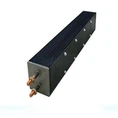
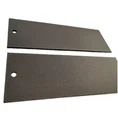
Titanium anodes are widely used in copper electrowinning due to their excellent corrosion resistance, high electrical conductivity, and durability. They are typically coated with a thin layer of precious metals or metal oxides, such as platinum or mixed metal oxides (MMO), to enhance their electrochemical performance. These coatings not only improve the anode's efficiency but also extend its lifespan, making it a cost-effective choice for the industry.
The Influence of Magnetic Fields on Titanium Anodes
Magnetic fields can have a significant impact on the performance of titanium anodes in copper electrowinning. One of the primary ways in which magnetic fields affect anodes is by altering the flow of ions in the electrolyte solution. When a magnetic field is applied, it creates a Lorentz force that acts on the charged particles in the solution, causing them to move in a circular or helical path. This can lead to changes in the concentration distribution of ions near the anode surface, which in turn can affect the electrochemical reactions taking place at the anode.
For example, a magnetic field can enhance the mass transfer of copper ions from the bulk solution to the anode surface, increasing the rate of oxidation reactions and improving the efficiency of copper electrowinning. On the other hand, a strong magnetic field can also cause the formation of gas bubbles on the anode surface, which can block the active sites and reduce the anode's performance. Therefore, it's crucial to carefully control the strength and direction of the magnetic field to optimize the anode's performance.
Another way in which magnetic fields can affect titanium anodes is by influencing the stability of the anode coating. The magnetic field can cause mechanical stress on the coating, leading to cracking or delamination. This can expose the underlying titanium substrate to the corrosive electrolyte solution, reducing the anode's lifespan and increasing the risk of failure. To mitigate this issue, it's important to choose an anode coating that is resistant to magnetic field-induced stress and to ensure proper installation and maintenance of the anode.
The Role of Anode Coating in Mitigating Magnetic Field Effects
The choice of anode coating plays a crucial role in mitigating the effects of magnetic fields on titanium anodes. As mentioned earlier, platinum-coated titanium anodes and MMO-coated titanium disc anodes are commonly used in copper electrowinning due to their excellent electrochemical performance and corrosion resistance. These coatings can provide a protective barrier between the titanium substrate and the electrolyte solution, reducing the risk of corrosion and improving the anode's stability in the presence of a magnetic field.
For instance, Platinum-Coated Titanium Anode offer high catalytic activity and low overpotential, making them highly efficient in promoting oxidation reactions at the anode. The platinum coating also provides excellent resistance to corrosion and mechanical stress, ensuring long-term stability in the harsh environment of copper electrowinning. Similarly, MMO Coated Titanium Disc Anode are designed to provide superior electrochemical performance and durability. The MMO coating consists of a mixture of metal oxides, which can enhance the anode's catalytic activity and resistance to corrosion, even in the presence of a magnetic field.
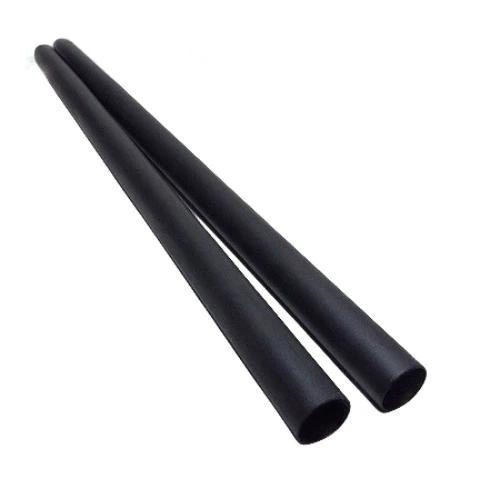
In addition to platinum and MMO coatings, Ru-Ir Coated Titanium Anode Tube are also a popular choice for copper electrowinning. These anodes are coated with a layer of ruthenium and iridium oxides, which offer excellent electrochemical performance and resistance to corrosion. The Ru-Ir coating can also provide good stability in the presence of a magnetic field, making it suitable for applications where magnetic fields are present.
Practical Considerations for Using Titanium Anodes in Magnetic Fields
When using titanium anodes in copper electrowinning systems with magnetic fields, there are several practical considerations to keep in mind. First and foremost, it's important to carefully select the anode coating based on the specific requirements of the application. Consider factors such as the strength and direction of the magnetic field, the composition of the electrolyte solution, and the operating conditions of the electrowinning process.

Proper installation and maintenance of the anode are also crucial to ensure its optimal performance in the presence of a magnetic field. Make sure the anode is securely mounted and properly aligned to minimize the risk of mechanical stress and damage. Regularly inspect the anode for signs of corrosion, coating degradation, or other issues, and replace it as needed to prevent performance deterioration.
Finally, it's important to monitor the performance of the anode and the electrowinning process closely. Use appropriate sensors and monitoring equipment to measure parameters such as current density, voltage, and copper deposition rate. Analyze the data regularly to identify any trends or issues that may affect the anode's performance, and take corrective actions as necessary.
Conclusion
In conclusion, magnetic fields can have a significant impact on the performance and longevity of titanium anodes in copper electrowinning. By understanding the science behind this phenomenon and taking appropriate measures to mitigate its effects, we can optimize the use of titanium anodes in magnetic field environments and improve the efficiency and sustainability of copper electrowinning processes.
As a supplier of Copper Electrowinning Titanium Anodes, I'm committed to providing high-quality products and technical support to our customers. If you're interested in learning more about our anode products or have any questions about using titanium anodes in magnetic fields, please don't hesitate to contact us. We'd be happy to discuss your specific needs and help you find the best solution for your copper electrowinning application.
References
- Chen, J., & Li, X. (2018). Influence of magnetic field on the performance of titanium anodes in copper electrowinning. Journal of Electrochemical Science and Technology, 9(2), 101-106.
- Wang, Y., & Zhang, L. (2019). Effect of magnetic field on the corrosion behavior of platinum-coated titanium anodes in copper electrowinning. Corrosion Science, 150, 107912.
- Liu, Z., & Zhao, H. (2020). Performance of MMO-coated titanium disc anodes in copper electrowinning under magnetic field conditions. Transactions of Nonferrous Metals Society of China, 30(1), 233-240.