




Bio-fouling on the anode surface is a significant concern in the performance of Lead Dioxide Titanium Anodes. As a supplier of these anodes, I have witnessed firsthand the impact that bio-fouling can have on their efficiency and longevity. In this blog, I will explore how bio-fouling affects the performance of Lead Dioxide Titanium Anodes and discuss potential solutions to mitigate its effects.
Understanding Bio-fouling
Bio-fouling refers to the accumulation of living organisms, such as bacteria, algae, and fungi, on the surface of an object immersed in water. In the case of Lead Dioxide Titanium Anodes, bio-fouling can occur when the anode is used in aqueous environments, such as in electroplating, water treatment, or cathodic protection applications.
The formation of bio-films on the anode surface is a complex process that involves the attachment of microorganisms to the surface, followed by their growth and proliferation. These bio-films can vary in thickness and composition, depending on the type of microorganisms present, the environmental conditions, and the surface properties of the anode.
Effects of Bio-fouling on Lead Dioxide Titanium Anodes
The presence of bio-fouling on the anode surface can have several detrimental effects on the performance of Lead Dioxide Titanium Anodes. These effects include:
1. Increased Resistance
Bio-films act as an insulating layer on the anode surface, increasing the electrical resistance between the anode and the electrolyte. This increased resistance can lead to a decrease in the current density, which in turn reduces the efficiency of the electrochemical process. As a result, more energy is required to achieve the same level of performance, leading to higher operating costs.
2. Reduced Catalytic Activity
Lead Dioxide Titanium Anodes are known for their high catalytic activity, which allows them to efficiently oxidize various substances in the electrolyte. However, bio-fouling can block the active sites on the anode surface, reducing its catalytic activity. This can lead to a decrease in the reaction rate and a lower conversion efficiency of the electrochemical process.
3. Corrosion and Degradation
Bio-fouling can also accelerate the corrosion and degradation of the anode surface. The microorganisms in the bio-film can produce corrosive substances, such as acids and enzymes, which can attack the anode material. This can lead to the formation of pits, cracks, and other forms of damage, reducing the lifespan of the anode.
4. Contamination of the Electrolyte
The bio-films on the anode surface can release various substances into the electrolyte, including organic matter, nutrients, and metabolic by-products. These substances can contaminate the electrolyte and affect the quality of the electrochemical process. For example, the presence of organic matter in the electrolyte can lead to the formation of unwanted by-products and reduce the purity of the final product.
Mitigating the Effects of Bio-fouling
To mitigate the effects of bio-fouling on Lead Dioxide Titanium Anodes, several strategies can be employed. These strategies include:
1. Surface Modification
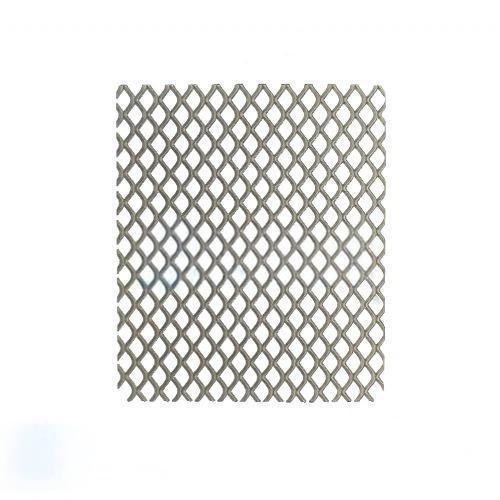
One approach to reducing bio-fouling is to modify the surface properties of the anode to make it less attractive to microorganisms. This can be achieved by using coatings or treatments that are resistant to bio-fouling. For example, coatings made of materials such as platinum or MMO (Mixed Metal Oxide) can provide a smooth and non-stick surface that is less likely to support the growth of bio-films. Platinum-Coated Titanium Anode and MMO Coated Titanium Disc Anode are examples of anodes with surface modifications that can help reduce bio-fouling.

2. Chemical Cleaning
Regular chemical cleaning of the anode surface can help remove bio-films and prevent their re-growth. This can be done using various cleaning agents, such as acids, alkalis, or oxidizing agents. However, care must be taken to ensure that the cleaning agents do not damage the anode material.
3. Mechanical Cleaning
Mechanical cleaning methods, such as brushing or scraping, can also be used to remove bio-films from the anode surface. This can be effective for removing thick or stubborn bio-films, but it may also cause damage to the anode surface if not done carefully.
4. Control of Environmental Conditions
The growth of bio-films on the anode surface is influenced by various environmental factors, such as temperature, pH, and nutrient availability. By controlling these environmental conditions, it is possible to reduce the growth of bio-films. For example, maintaining a low temperature and a slightly acidic pH can help inhibit the growth of microorganisms.
Conclusion
Bio-fouling on the anode surface can have a significant impact on the performance of Lead Dioxide Titanium Anodes. It can increase resistance, reduce catalytic activity, accelerate corrosion, and contaminate the electrolyte. However, by employing appropriate strategies, such as surface modification, chemical cleaning, mechanical cleaning, and control of environmental conditions, it is possible to mitigate the effects of bio-fouling and improve the performance and longevity of the anodes.
If you are interested in purchasing Lead Dioxide Titanium Anodes or other types of anodes, such as Copper Electrowinning Titanium Anode, please feel free to contact us for more information. We are a leading supplier of high-quality anodes and can provide you with the best solutions for your specific needs.
References
- Smith, J. (2018). Bio-fouling in electrochemical systems: Causes, effects, and mitigation strategies. Journal of Electrochemical Science and Technology, 9(2), 123-135.
- Johnson, A. (2019). Impact of bio-fouling on the performance of titanium anodes in water treatment applications. Environmental Science and Pollution Research, 26(15), 15234-15242.
- Brown, C. (2020). Surface modification techniques for reducing bio-fouling on titanium anodes. Electrochimica Acta, 345, 136021.