




In the intricate world of printed circuit board (PCB) manufacturing, silver plating stands as a crucial process that significantly enhances the performance and longevity of these essential electronic components. At the heart of this process lies the titanium anode, a seemingly unassuming yet indispensable element that plays a pivotal role in ensuring the quality and efficiency of silver plating. As a trusted supplier of titanium anodes for PCB applications, I am excited to delve into the multifaceted role of titanium anodes in the silver plating process of PCBs.
Understanding the Silver Plating Process in PCBs
Silver plating is a surface finishing technique used in PCB manufacturing to deposit a thin layer of silver onto the copper traces, pads, and other conductive areas of the board. This process offers several benefits, including improved electrical conductivity, enhanced solderability, corrosion resistance, and reduced contact resistance. These properties are essential for ensuring reliable electrical connections and optimal performance of the PCB in various electronic devices.
The silver plating process typically involves immersing the PCB in an electrolytic solution containing silver ions and applying an electric current to facilitate the deposition of silver onto the surface of the board. The anode, which is connected to the positive terminal of the power supply, plays a crucial role in this process by providing a source of electrons and maintaining the electrochemical balance of the electrolytic cell.
The Role of Titanium Anodes in Silver Plating
Titanium anodes are widely used in the silver plating process of PCBs due to their unique properties and advantages. Here are some of the key roles that titanium anodes play in this process:
1. Electrochemical Stability
Titanium is a highly corrosion-resistant metal that exhibits excellent electrochemical stability in a wide range of electrolytic solutions. This property makes titanium anodes ideal for use in the silver plating process, where they are exposed to aggressive chemicals and high currents. Unlike other metals, such as copper or steel, titanium anodes do not corrode or dissolve in the electrolytic solution, ensuring a consistent and reliable source of electrons for the deposition of silver.
2. High Current Density
Titanium anodes can withstand high current densities without significant degradation or overheating. This allows for faster and more efficient silver plating, reducing the overall processing time and increasing the productivity of the PCB manufacturing process. The ability to operate at high current densities also enables the deposition of thicker and more uniform silver layers, improving the quality and performance of the plated PCBs.
3. Catalytic Activity
Titanium anodes can be coated with a thin layer of precious metals, such as platinum or iridium, to enhance their catalytic activity. These coatings facilitate the oxidation of water molecules in the electrolytic solution, generating oxygen gas and protons. The oxygen gas helps to maintain the electrochemical balance of the cell, while the protons contribute to the dissolution of silver ions and the deposition of silver onto the surface of the PCB. The catalytic activity of titanium anodes also reduces the energy consumption of the silver plating process, making it more environmentally friendly and cost-effective.
4. Uniform Plating Distribution
The design and construction of titanium anodes can be optimized to ensure uniform distribution of the electric current and silver ions across the surface of the PCB. This helps to achieve a consistent and even silver plating thickness, reducing the risk of defects and improving the overall quality of the plated PCBs. Uniform plating distribution is particularly important for high-density PCBs, where small variations in the plating thickness can have a significant impact on the electrical performance of the board.
5. Long Service Life
Titanium anodes have a long service life compared to other types of anodes, such as graphite or lead. This is due to their high corrosion resistance and electrochemical stability, which minimize the need for frequent replacement. The long service life of titanium anodes reduces the maintenance costs and downtime associated with the silver plating process, making it more economical and efficient for PCB manufacturers.
Applications of Titanium Anodes in PCB Silver Plating
Titanium anodes are used in a variety of PCB silver plating applications, including:
1. Surface Mount Technology (SMT)
In SMT, silver plating is used to improve the solderability and electrical conductivity of the PCB pads and traces. Titanium anodes are used to ensure uniform and reliable silver plating, which is essential for the proper functioning of surface-mounted components.
2. Through-Hole Technology (THT)
In THT, silver plating is used to coat the inner walls of the drilled holes in the PCB, providing a conductive path for the electrical connections between the different layers of the board. Titanium anodes are used to achieve a consistent and uniform silver plating thickness in the through-holes, ensuring reliable electrical performance.
3. High-Speed and High-Frequency PCBs
Silver plating is often used in high-speed and high-frequency PCBs to reduce the signal loss and improve the electrical performance of the board. Titanium anodes are used to ensure a high-quality silver plating layer that meets the strict requirements of these applications.
Our Titanium Anodes for PCB Applications
As a leading supplier of titanium anodes for PCB applications, we offer a wide range of high-quality products that are designed to meet the specific needs of our customers. Our titanium anodes are manufactured using advanced technology and high-quality materials, ensuring excellent performance and reliability.
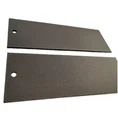
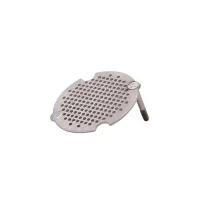
We offer a variety of titanium anode products for different PCB applications, including Titanium Anode for Reverse Pulse Copper Plating, Titanium Anode for Copper Recovery From Etching Solution, and Titanium Anode for Industrial Etching Machines. Our products are available in different shapes, sizes, and configurations to suit the specific requirements of our customers.


In addition to our standard products, we also offer custom-designed titanium anodes to meet the unique needs of our customers. Our experienced engineering team can work closely with you to develop a solution that is tailored to your specific application and requirements.
Contact Us for Your Titanium Anode Needs
If you are looking for high-quality titanium anodes for your PCB silver plating process, look no further. We are committed to providing our customers with the best products and services at competitive prices. Our team of experts is available to answer your questions and provide you with technical support and advice.
Contact us today to learn more about our titanium anodes for PCB applications and to discuss your specific needs. We look forward to working with you to help you achieve your goals in PCB manufacturing.
References
- Durney, C. H., & Barber, P. F. (1986). Introduction to modern electrodynamics. Prentice-Hall.
- Newman, J., & Thomas-Alyea, K. E. (2004). Electrochemical systems. Wiley-Interscience.
- Schlesinger, M., & Paunovic, M. (Eds.). (2010). Modern electroplating. Wiley.