


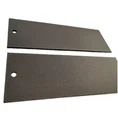
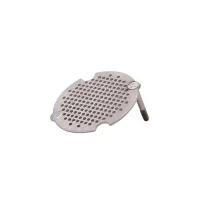


Hey there! As a supplier of Mesh Platinum - Coated Titanium Anodes, I often get asked about the power consumption of these bad boys. So, I thought I'd sit down and write a blog post to share what I know.
First off, let's talk a bit about what Mesh Platinum - Coated Titanium Anodes are. They're a type of anode used in a variety of electroplating processes. The mesh design provides a large surface area for the electrochemical reactions to take place, and the platinum coating enhances their conductivity and corrosion resistance. You can learn more about them here.
Now, to the main question: what's the power consumption of a Mesh Platinum - Coated Titanium Anode? Well, the power consumption of an anode isn't a one - size - fits - all number. It depends on several factors.
One of the biggest factors is the current density. Current density is the amount of current flowing per unit area of the anode. A higher current density generally means more power is being consumed. In electroplating, the required current density can vary depending on the type of metal being plated, the plating solution, and the desired plating thickness. For example, if you're trying to plate a thick layer of metal quickly, you'll need a higher current density, which will result in higher power consumption.


The surface area of the anode also plays a role. Since our Mesh Platinum - Coated Titanium Anodes have a large surface area due to their mesh design, they can distribute the current more evenly. This can sometimes lead to more efficient use of power compared to anodes with a smaller surface area. However, if the surface area is too large for the current being applied, it might cause the current density to be too low, which could affect the plating quality.
The composition of the plating solution is another important factor. Different plating solutions have different conductivities. A more conductive plating solution will require less power to achieve the same current density compared to a less conductive one. For instance, a solution with a high concentration of electrolytes will generally be more conductive.
The temperature of the plating bath can also impact power consumption. In general, as the temperature of the plating bath increases, the conductivity of the solution increases. This means that at higher temperatures, less power is needed to maintain a certain current density. But, you have to be careful not to raise the temperature too high, as it can affect the quality of the plating and the lifespan of the anode.
Let's compare our Mesh Platinum - Coated Titanium Anodes with some other types of anodes. Take the Iridium - Tantalum Coated Titanium Anode. These anodes are often used in applications where high corrosion resistance is required. In terms of power consumption, they can be similar to Mesh Platinum - Coated Titanium Anodes under similar operating conditions. However, the specific power consumption will still depend on the factors we've discussed earlier, like current density and plating solution composition.
Another type of anode is the Titanium Anode for Chrome Plating. Chrome plating can be a bit different from other plating processes. It often requires specific current densities and plating solutions. The power consumption of these anodes can vary widely depending on the chrome plating setup. Sometimes, chrome plating might require higher power consumption due to the nature of the chrome plating process.
To get a more accurate estimate of the power consumption of a Mesh Platinum - Coated Titanium Anode for your specific application, you can do some testing. Start by setting up a small - scale plating experiment. Measure the current and voltage during the plating process. You can then calculate the power consumption using the formula P = VI (power equals voltage times current). Keep track of the different variables like current density, plating solution composition, and temperature. By varying these variables one at a time, you can see how they affect the power consumption.
It's also important to note that proper maintenance of the anode can help keep the power consumption in check. Over time, the platinum coating on the anode might wear off or get contaminated. This can increase the resistance of the anode, which in turn will increase the power consumption. Regular cleaning and inspection of the anode can help ensure that it's operating at its most efficient.
In addition to power consumption, you also need to consider the overall cost - effectiveness of using Mesh Platinum - Coated Titanium Anodes. While they might consume a certain amount of power, their long lifespan and high - quality plating results can make them a great investment in the long run. The reduced need for frequent anode replacement can offset the cost of the power consumed.
So, if you're in the market for an anode for your electroplating process and you're concerned about power consumption, our Mesh Platinum - Coated Titanium Anodes are definitely worth considering. We've got a team of experts who can help you figure out the best setup for your specific needs. Whether you're a small - scale plating shop or a large industrial operation, we can work with you to optimize your plating process and minimize power consumption.
If you're interested in learning more or want to discuss your specific requirements, don't hesitate to reach out. We're here to help you make the best choice for your electroplating needs. Let's have a chat about how our Mesh Platinum - Coated Titanium Anodes can work for you and what kind of power consumption you can expect in your application.
References:
- Electroplating Handbook, various editions
- Journal of Electrochemical Science and Technology articles on anode performance
- Industry reports on electroplating anode usage and efficiency