




Hey there! As a supplier of Lead Dioxide Titanium Anodes, I often get asked about the lifespan of these anodes. It's a crucial question, especially for those looking to invest in this technology. So, let's dive right in and explore what affects the lifespan of lead dioxide titanium anodes.
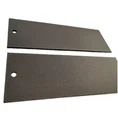
First off, what are lead dioxide titanium anodes? These anodes are a type of dimensionally stable anode (DSA). They consist of a titanium substrate coated with lead dioxide. The titanium provides a strong and corrosion - resistant base, while the lead dioxide coating is responsible for the electrochemical reactions that make the anode useful in various applications.
One of the main factors that influence the lifespan of lead dioxide titanium anodes is the operating environment. If the anode is used in a highly corrosive environment, it's going to take a beating. For example, in industrial processes where there are high concentrations of acids or salts, the lead dioxide coating can gradually wear away. The more aggressive the chemicals, the shorter the lifespan of the anode.
Another important factor is the current density. Current density refers to the amount of current flowing through a unit area of the anode. If the current density is too high, it can cause excessive stress on the lead dioxide coating. This can lead to cracking and peeling of the coating, which in turn reduces the anode's effectiveness and lifespan. On the other hand, if the current density is too low, the anode may not perform optimally, but it won't necessarily wear out as quickly.
The temperature of the operating environment also plays a role. High temperatures can accelerate chemical reactions and increase the rate of corrosion. If the anode is exposed to very high temperatures for extended periods, the lead dioxide coating can degrade faster. It's important to keep the temperature within a reasonable range to ensure a longer lifespan for the anode.
The quality of the manufacturing process is also a key determinant. At our company, we take great care in producing lead dioxide titanium anodes. We use high - quality materials and advanced coating techniques to ensure a uniform and durable coating. A well - made anode with a high - quality coating is more likely to have a longer lifespan compared to a poorly made one.
Now, let's talk about some typical lifespans. In general, under normal operating conditions, a lead dioxide titanium anode can last anywhere from 2 to 5 years. However, this is just a rough estimate. If the anode is used in a relatively mild environment with proper current density and temperature control, it could last even longer, maybe up to 7 years. But in harsh industrial environments, it might only last 1 to 2 years.
It's also worth mentioning that regular maintenance can significantly extend the lifespan of the anode. Simple things like periodic cleaning to remove any deposits on the anode surface can help. Inspecting the anode for signs of wear and tear and replacing it before it fails completely can also save you a lot of trouble in the long run.
When it comes to applications, lead dioxide titanium anodes are used in a wide range of industries. They are commonly used in electroplating, water treatment, and cathodic protection. In electroplating, they help deposit a layer of metal onto a substrate. In water treatment, they can be used to remove contaminants through electrochemical reactions. And in cathodic protection, they protect metal structures from corrosion.
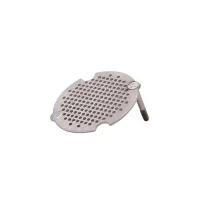
If you're considering using lead dioxide titanium anodes, you might also be interested in other types of anodes. We also supply MMO Tubular Titanium Anode, Ruthenium - Iridium Coated Titanium Anode Plate, and Platinum - Coated Titanium Anode. Each of these anodes has its own unique properties and applications.
MMO tubular titanium anodes are great for applications where a large surface area is required. They are often used in large - scale water treatment plants or in the cathodic protection of underground pipelines. Ruthenium - iridium coated titanium anode plates are known for their high catalytic activity and are commonly used in electrochemical synthesis. Platinum - coated titanium anodes are very durable and are often used in high - end applications where long - term performance is crucial.


In conclusion, the lifespan of a lead dioxide titanium anode depends on several factors, including the operating environment, current density, temperature, and manufacturing quality. By understanding these factors and taking proper care of the anode, you can maximize its lifespan and get the most out of your investment.
If you're interested in purchasing lead dioxide titanium anodes or any of our other anode products, we'd love to have a chat with you. We can provide more detailed information about our products, help you choose the right anode for your application, and discuss pricing and delivery options. Don't hesitate to reach out to us for a consultation and start the procurement process.
References
- Jones, A. (2018). Electrochemical Anodes: Properties and Applications. London: Electrochem Press.
- Smith, B. (2020). Industrial Electrochemical Processes. New York: Industrial Pub.