


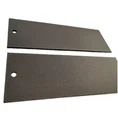
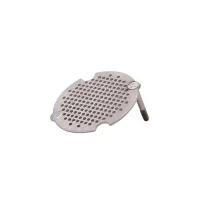


The lifespan of a titanium anode in an EDI (Electrodeionization) system is a critical factor that influences the efficiency, performance, and cost - effectiveness of the entire water treatment process. As a trusted supplier of Titanium Anode In EDI System, I've witnessed firsthand the importance of understanding this lifespan and its influencing factors.
1. Understanding the Basics of Titanium Anodes in EDI Systems
EDI systems are used for water purification, especially in applications where high - purity water is required, such as in the pharmaceutical, semiconductor, and power generation industries. Titanium anodes play a crucial role in these systems. They are typically coated with precious metal oxides like iridium oxide or ruthenium oxide, which enhance their electrochemical activity and corrosion resistance.
When an electric current is applied in the EDI system, the titanium anode facilitates the oxidation reactions at the anode surface. This helps in the removal of ions from the water, leading to the production of pure water. The anode's ability to maintain its performance over time is directly related to its lifespan.
2. Factors Affecting the Lifespan of Titanium Anodes in EDI Systems
2.1 Operating Conditions
The operating conditions of an EDI system have a significant impact on the lifespan of the titanium anode. The current density, for example, is a key factor. High current densities can accelerate the wear and tear of the anode coating. When the current density is too high, the electrochemical reactions occur at a faster rate, which may lead to the degradation of the precious metal oxide coating. This can cause the anode to lose its catalytic activity and eventually fail.
Temperature also plays a role. Elevated temperatures can increase the rate of chemical reactions at the anode surface. In some cases, high temperatures can cause the coating to expand and contract, leading to cracking and delamination. Moreover, the pH of the water being treated is important. Extreme pH values can be corrosive to the anode, especially if the coating is not properly designed to withstand such conditions.
2.2 Water Quality
The quality of the water entering the EDI system is another crucial factor. Water containing high levels of impurities such as heavy metals, suspended solids, or organic matter can have a negative impact on the anode's lifespan. Heavy metals can deposit on the anode surface, interfering with the electrochemical reactions. Suspended solids can physically damage the anode coating, while organic matter can react with the coating and cause fouling.
For instance, if the water has a high concentration of iron, the iron ions can be oxidized at the anode and form a layer of iron oxide on the surface. This layer can block the active sites on the anode, reducing its efficiency and potentially shortening its lifespan.
2.3 Coating Quality
The quality of the precious metal oxide coating on the titanium anode is of utmost importance. A well - formulated and properly applied coating can significantly extend the anode's lifespan. The coating should have good adhesion to the titanium substrate, high catalytic activity, and excellent corrosion resistance.


Manufacturing processes also play a role in coating quality. Advanced manufacturing techniques can ensure a more uniform and dense coating, which is more resistant to wear and tear. For example, some manufacturers use thermal spraying or electrochemical deposition methods to apply the coating, which can result in a higher - quality product.
3. Typical Lifespan Ranges
The lifespan of a titanium anode in an EDI system can vary widely depending on the factors mentioned above. Under ideal operating conditions, with proper water quality and a high - quality coating, a titanium anode can last anywhere from 3 to 5 years. However, in more challenging environments, such as those with high current densities, extreme pH values, or poor water quality, the lifespan may be reduced to 1 - 2 years or even less.
It's important to note that these are just general estimates. Regular monitoring of the anode's performance is essential to accurately determine its remaining lifespan. This can be done by measuring the anode potential, current efficiency, and water quality parameters.
4. Extending the Lifespan of Titanium Anodes in EDI Systems
4.1 Optimizing Operating Conditions
One of the most effective ways to extend the anode's lifespan is to optimize the operating conditions of the EDI system. This includes maintaining an appropriate current density within the recommended range. By carefully controlling the current, the electrochemical reactions can occur at a more sustainable rate, reducing the stress on the anode coating.
Controlling the temperature of the system is also crucial. This can be achieved through proper cooling or heating mechanisms, depending on the requirements of the process. Additionally, adjusting the pH of the water to a more neutral range can help reduce corrosion and extend the anode's lifespan.
4.2 Water Pretreatment
Implementing effective water pretreatment processes can significantly improve the water quality entering the EDI system. This can include filtration to remove suspended solids, ion exchange to remove heavy metals, and activated carbon adsorption to remove organic matter. By reducing the impurities in the water, the anode is less likely to be damaged by fouling or corrosion.
4.3 Regular Maintenance and Inspection
Regular maintenance and inspection of the titanium anode are essential for extending its lifespan. This includes visual inspections to check for signs of coating damage, such as cracking or delamination. Electrochemical testing can also be performed to monitor the anode's performance. If any issues are detected early, appropriate measures can be taken, such as adjusting the operating conditions or replacing the anode before it fails completely.
5. Our Products and Their Advantages
As a supplier of Titanium Anode In EDI System, we offer high - quality titanium anodes designed to meet the demanding requirements of EDI systems. Our anodes are coated with advanced precious metal oxide formulations that provide excellent catalytic activity and corrosion resistance.
We use state - of - the - art manufacturing processes to ensure a uniform and durable coating. Our anodes are also designed to be compatible with a wide range of operating conditions, making them suitable for various applications. Whether you need a Titanium Anode for Antifouling Electrolysis or a Titanium Anode for Water Treatment Plant, we have the right solution for you.
6. Conclusion and Call to Action
Understanding the lifespan of a titanium anode in an EDI system is crucial for ensuring the long - term performance and cost - effectiveness of your water treatment process. By considering the factors that affect the anode's lifespan and implementing appropriate measures to extend it, you can minimize downtime and reduce replacement costs.
If you are looking for high - quality titanium anodes for your EDI system, we are here to help. Our team of experts can provide you with detailed information about our products, assist you in selecting the right anode for your specific application, and offer technical support throughout the installation and operation process. Contact us today to start a discussion about your procurement needs and how we can help you achieve optimal results in your water treatment process.
References
- "Electrodeionization: Principles and Applications" by D. J. Glueckstern
- "Corrosion and Protection of Titanium in Aqueous Solutions" by Y. M. Korolev
- "Advanced Coating Technologies for Electrochemical Applications" by R. C. Alkire