


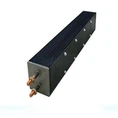

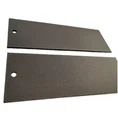

Hey there! As a supplier of Titanium Anode For Copper Plating, I've been getting a lot of questions lately about the effect of titanium anodes on the peeling resistance of copper plating. So, I thought I'd take a deep - dive into this topic and share some insights with you all.
First things first, let's talk about what copper plating is and why peeling resistance matters. Copper plating is a process where a layer of copper is deposited onto a substrate. It's widely used in various industries, like electronics, automotive, and jewelry. The peeling resistance of copper plating is crucial because it determines the durability and quality of the plated product. If the copper layer starts to peel off, it can lead to a whole bunch of problems, such as corrosion, reduced conductivity, and a less - than - appealing appearance.
Now, let's get to the star of the show - the titanium anode. Titanium is a great material for anodes in copper plating for several reasons. One of the main advantages is its high corrosion resistance. In a copper plating bath, there are all sorts of chemicals and electrolytes that could potentially eat away at the anode. But titanium can withstand these harsh conditions, which means it has a longer lifespan compared to other anode materials.
When it comes to the effect on the peeling resistance of copper plating, the titanium anode plays a key role in ensuring a uniform and adherent copper deposit. During the plating process, the anode releases electrons, which are then used to reduce copper ions in the plating bath onto the substrate. A well - functioning titanium anode can provide a consistent and even flow of electrons. This consistent electron flow helps in creating a copper layer that is tightly bonded to the substrate.


For example, in a Titanium Anode for Vertical Continuous Plating, the design is optimized for continuous plating operations. The titanium anode in such a setup can maintain a stable electrical field, which is essential for depositing a copper layer with good adhesion. If the electrical field is unstable, the copper atoms may not bond properly to the substrate, resulting in poor peeling resistance.
Another aspect is the surface condition of the titanium anode. A clean and smooth anode surface promotes a more uniform distribution of current density across the plating bath. This uniform current density is directly related to the quality of the copper plating. When the current density is evenly distributed, the copper plating grows in a more controlled manner, leading to better adhesion and higher peeling resistance.
In some advanced copper plating techniques, like reverse - pulse copper plating, Titanium Anode for Reverse Pulse Copper Plating is used. Reverse - pulse plating involves alternating the direction of the current during the plating process. The titanium anode can handle these rapid changes in current direction without degrading. This ability helps in creating a copper layer with a more compact and fine - grained structure, which also enhances its peeling resistance.
Industrial etching machines also utilize titanium anodes. In Titanium Anode for Industrial Etching Machines, the anode is used in a different context. But the principle of its effect on copper plating still applies. The etching process can sometimes affect the surface of the substrate, and a good titanium anode can help in redepositing a high - quality copper layer with good peeling resistance after the etching is done.
However, it's not all smooth sailing. There are some factors that can affect how well the titanium anode improves the peeling resistance of copper plating. One such factor is the composition of the plating bath. The concentration of copper ions, additives, and other chemicals in the bath can influence the interaction between the anode and the plating process. If the bath composition is not optimized, it can lead to uneven plating and reduced peeling resistance, even with a high - quality titanium anode.
The temperature of the plating bath is another critical factor. If the temperature is too high or too low, it can affect the rate of copper deposition and the quality of the bond between the copper layer and the substrate. The titanium anode's performance can also be affected by temperature. For example, at extremely high temperatures, the anode may experience some degradation, which can in turn impact the peeling resistance of the copper plating.
Maintenance of the titanium anode is also crucial. Over time, the anode may accumulate some deposits on its surface. These deposits can disrupt the uniform flow of electrons and reduce the effectiveness of the anode. Regular cleaning and inspection of the titanium anode can help in ensuring that it continues to contribute positively to the peeling resistance of the copper plating.
To sum it all up, the titanium anode has a significant positive effect on the peeling resistance of copper plating. Its corrosion resistance, ability to provide a stable electron flow, and compatibility with different plating techniques all contribute to creating a high - quality copper layer that adheres well to the substrate. Whether it's in vertical continuous plating, reverse - pulse plating, or industrial etching applications, the titanium anode is a key player in ensuring the durability and quality of copper - plated products.
If you're in the market for high - quality Titanium Anode For Copper Plating and want to learn more about how our products can improve the peeling resistance of your copper plating, I'd love to have a chat with you. We can discuss your specific requirements and find the best solution for your business. Reach out to me for more details, and let's work together to take your copper plating process to the next level!
References
- Understanding Electroplating Technology, Smith J, 2020.
- Advanced Materials for Plating Processes, Johnson A, 2022.