


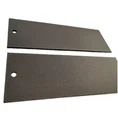
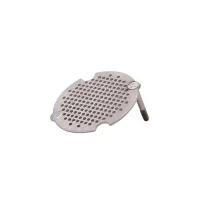


Hey there! As a supplier of Iridium - Tantalum Coated Titanium Anodes, I'm super stoked to chat with you all about the effect of chemical additives in the electrolyte on these anodes.
First off, let's talk a bit about what Iridium - Tantalum Coated Titanium Anodes are. They're pretty awesome pieces of tech. The titanium base gives them great mechanical strength and corrosion resistance, while the iridium - tantalum coating provides excellent electrocatalytic activity. These anodes are widely used in various industries, like electroplating, water treatment, and electrochemical synthesis.
Now, onto the main topic: chemical additives in the electrolyte. The electrolyte is like the life - blood of an electrochemical system. It's the medium through which ions move between the anode and the cathode. And when you add certain chemicals to it, it can have a huge impact on the performance of our Iridium - Tantalum Coated Titanium Anodes.
One of the most common effects of chemical additives is on the anode's electrocatalytic activity. Some additives can act as promoters, enhancing the rate of the electrochemical reactions taking place at the anode surface. For example, small amounts of certain metal salts can increase the number of active sites on the anode coating. This means more ions can react at the anode, leading to a higher current density and a faster overall reaction rate.
But it's not all sunshine and rainbows. Some additives can also have a negative effect. For instance, if there are impurities in the electrolyte in the form of certain anions or cations, they can adsorb onto the anode surface. This adsorption can block the active sites and reduce the electrocatalytic activity. In some cases, it can even cause corrosion of the anode coating over time.
Another important effect is on the stability of the anode coating. Chemical additives can influence the dissolution rate of the iridium - tantalum coating. Some additives can form a protective layer on the anode surface. This layer acts as a barrier, preventing the coating from dissolving into the electrolyte. On the flip side, certain aggressive additives can accelerate the dissolution process. If the coating dissolves too quickly, the anode's performance will degrade rapidly, and its lifespan will be significantly shortened.
Let's take a look at some real - world scenarios. In the electroplating industry, the choice of chemical additives in the electrolyte is crucial. For example, in chrome plating, using the right additives can improve the quality of the chrome deposit. A Titanium Anode for Chrome Plating works best when the electrolyte has additives that promote a uniform and smooth chrome layer. These additives can also reduce the amount of energy required for the plating process, which is a big plus for cost - conscious manufacturers.
In water treatment applications, chemical additives can help in removing contaminants more effectively. Our Iridium - Tantalum Coated Titanium Anodes can be used to generate oxidants in the water. Additives in the electrolyte can enhance the production of these oxidants, making the water treatment process more efficient.
Now, let's talk about some specific types of chemical additives and their effects.
Acids and Bases: Adjusting the pH of the electrolyte with acids or bases can have a significant impact on the anode's performance. In an acidic electrolyte, the anode may have a different electrocatalytic behavior compared to a basic one. For example, in some cases, a slightly acidic electrolyte can increase the solubility of certain reaction products, preventing them from depositing on the anode surface.


Complexing Agents: These additives can form complexes with metal ions in the electrolyte. This can be useful in preventing the precipitation of metal salts on the anode. In electroplating, complexing agents can help in maintaining a stable concentration of metal ions near the anode surface, ensuring a more uniform plating process.
Surfactants: Surfactants can reduce the surface tension of the electrolyte. This allows for better wetting of the anode surface, which in turn can improve the mass transfer of ions to and from the anode. In some applications, surfactants can also prevent the formation of bubbles on the anode surface, which can otherwise block the active sites.
When it comes to choosing the right chemical additives for your application, it's not a one - size - fits - all situation. You need to consider the specific requirements of your electrochemical process, the type of electrolyte you're using, and the operating conditions.
If you're in the market for high - quality anodes, we also offer other great options like the Mesh Platinum - Coated Titanium Anode and the Long Service Life Electroplating Titanium Anode. These anodes are designed to meet the diverse needs of different industries.
We understand that every customer's requirements are unique. That's why we're here to work with you to find the best solution for your electrochemical processes. Whether you're looking to improve the efficiency of your electroplating line or enhance the performance of your water treatment system, our anodes can make a real difference.
If you're interested in learning more about our Iridium - Tantalum Coated Titanium Anodes or any of our other products, don't hesitate to reach out. We're always happy to have a chat, answer your questions, and discuss how we can help you with your specific needs. Let's start a conversation and see how we can work together to take your electrochemical processes to the next level.
References
- Electrochemical Engineering by Carl Wagner
- Modern Electrochemistry by John O'M. Bockris and Amulya K. N. Reddy