


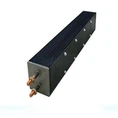


Hey there! As a supplier of Titanium Anode For Ionizers, I often get asked about the best cleaning agents for these anodes. In this blog, I'll share some insights on what cleaning agents can be used to clean a titanium anode in an ionizer.


Why Cleaning Titanium Anodes is Important
First off, let's talk about why cleaning titanium anodes in ionizers is so crucial. Over time, anodes can accumulate various types of deposits. These deposits can come from the water being electrolyzed, such as minerals, scale, and organic matter. When these deposits build up on the anode surface, they can significantly affect the anode's performance. For example, they can increase the electrical resistance, which means the ionizer has to work harder to achieve the same level of electrolysis. This not only leads to higher energy consumption but can also reduce the lifespan of the anode. So, regular cleaning is essential to maintain the efficiency and longevity of the titanium anode.
Types of Cleaning Agents
Citric Acid
Citric acid is a great natural cleaning agent that can be used to clean titanium anodes. It's a weak organic acid that's commonly found in citrus fruits. One of the main advantages of using citric acid is that it's relatively safe and non - toxic. It can effectively dissolve mineral deposits, such as calcium and magnesium salts, which are often found on the anode surface.
To use citric acid for cleaning, you can make a solution by dissolving citric acid powder in warm water. A concentration of about 5 - 10% is usually sufficient. Then, soak the titanium anode in the solution for a few hours. After soaking, gently scrub the anode with a soft brush to remove any remaining deposits. Rinse the anode thoroughly with clean water to ensure that all the citric acid is removed.
Vinegar
Vinegar is another readily available and inexpensive cleaning agent. It contains acetic acid, which can also dissolve mineral deposits. White vinegar is the best choice for cleaning titanium anodes because it's clear and doesn't contain any dyes or additives that could potentially damage the anode.
Similar to citric acid, you can create a cleaning solution by mixing vinegar with water in a 1:1 ratio. Soak the anode in the solution for a few hours. You might notice some fizzing, which indicates that the acid is reacting with the deposits. After soaking, rinse the anode well with water. However, be careful not to soak the anode in vinegar for too long, as prolonged exposure to acetic acid can cause some corrosion on the titanium surface.
Hydrogen Peroxide
Hydrogen peroxide is a powerful oxidizing agent that can be used to clean titanium anodes, especially when dealing with organic deposits. Organic matter, such as bacteria and algae, can adhere to the anode surface and affect its performance. Hydrogen peroxide can break down these organic substances through oxidation.
You can use a 3% hydrogen peroxide solution, which is commonly available in drugstores. Soak the anode in the hydrogen peroxide solution for about 30 minutes to an hour. After soaking, rinse the anode thoroughly with water. Hydrogen peroxide is relatively safe to use, but it can cause skin irritation, so make sure to wear gloves when handling it.
Specialized Cleaning Agents
In addition to the common household cleaning agents, there are also some specialized cleaning agents available in the market. These agents are specifically formulated for cleaning titanium anodes and can provide more targeted cleaning solutions.
For example, some cleaning agents are designed to remove stubborn scale and deposits that are difficult to dissolve with regular acids. They often contain a combination of acids and surfactants that can break down the deposits more effectively.
If you're using a specialized cleaning agent, make sure to follow the manufacturer's instructions carefully. Different products may have different concentrations and usage methods.
Cleaning Process
When cleaning a titanium anode, it's important to follow a proper process to ensure that the anode is cleaned effectively without being damaged.
- Disconnect the Anode: Before starting the cleaning process, make sure to disconnect the anode from the ionizer to avoid any electrical hazards.
- Inspect the Anode: Check the anode for any visible damage or signs of excessive wear. If there are any cracks or significant damage, it might be time to replace the anode.
- Prepare the Cleaning Solution: Depending on the type of cleaning agent you're using, prepare the solution as described above.
- Soak the Anode: Immerse the anode in the cleaning solution and let it soak for the recommended time. Make sure that the entire anode surface is in contact with the solution.
- Scrub Gently: After soaking, use a soft brush, such as a toothbrush, to gently scrub the anode surface. Be careful not to apply too much pressure, as this can scratch the titanium surface.
- Rinse Thoroughly: Rinse the anode with clean water multiple times to remove all the cleaning agent and loosened deposits.
- Dry the Anode: Allow the anode to dry completely before reconnecting it to the ionizer. You can use a clean, dry cloth to gently pat the anode dry.
Our Titanium Anode Products
As a supplier of Titanium Anode For Ionizers, we offer a wide range of high - quality anodes. Our Low Energy Loss Water Electrolysis Titanium Anode is designed to minimize energy consumption during the electrolysis process. It's made with advanced materials and manufacturing techniques to ensure long - term performance and reliability.
Our Electrochemical Degradation Titanium Anode is suitable for applications where electrochemical degradation is required. It can effectively break down organic pollutants and other contaminants in the water.
And if you're looking for an anode for hydrogen - rich water devices, our Titanium Anode for Hydrogen - Rich Water Devices is the perfect choice. It can produce high - quality hydrogen - rich water efficiently.
Contact Us for Purchase and Consultation
If you're interested in our titanium anode products or have any questions about cleaning or using them, feel free to reach out to us. We're always happy to help you find the right anode for your ionizer and provide you with the best cleaning and maintenance advice.
References
- "Electrochemical Engineering" by Carl K. Dorfler
- "Handbook of Corrosion Data" by Bruce D. Craig