



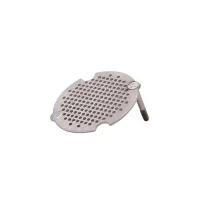


As a supplier of Platinum-Coated Titanium Anodes, I often encounter inquiries from clients about the standards that these anodes must meet. Platinum-coated titanium anodes are extremely crucial components in various electrochemical applications, such as electroplating, cathodic protection, and water treatment. Understanding the standards for these anodes is essential for ensuring their performance, longevity, and safety. In this blog, I will delve into the key standards that a platinum-coated titanium anode should adhere to.
Physical and Chemical Properties
Titanium Substrate Quality
The titanium substrate is the foundation of a platinum-coated titanium anode. High-quality titanium is necessary to ensure the anode's mechanical strength and corrosion resistance. The titanium should be of a specific grade, typically grade 1 or grade 2 titanium, which are known for their excellent purity and formability. These grades have low levels of impurities, such as iron and carbon, which can affect the anode's performance.
The surface of the titanium substrate must be smooth and free of defects, scratches, or contaminants. Any irregularities on the surface can lead to uneven platinum coating and reduce the anode's efficiency. Before coating, the titanium substrate undergoes a series of surface treatment processes, including cleaning, etching, and activation, to ensure proper adhesion of the platinum layer.
Platinum Coating Thickness and Purity
The thickness of the platinum coating is a critical factor in determining the anode's performance and lifespan. A thicker platinum coating generally provides better durability and resistance to corrosion. The standard coating thickness for platinum-coated titanium anodes typically ranges from 2 - 10 microns, depending on the application requirements.
In addition to thickness, the purity of the platinum coating is also crucial. High-purity platinum (usually 99.9% pure) is preferred to ensure optimal electrochemical performance. Impurities in the platinum coating can cause side reactions and reduce the anode's efficiency. Advanced coating techniques, such as electroplating and chemical vapor deposition, are used to achieve a uniform and high-purity platinum coating on the titanium substrate.
Electrochemical Performance
High Current Efficiency
Current efficiency is a measure of how effectively the anode converts electrical energy into the desired electrochemical reaction. A high current efficiency is essential for reducing energy consumption and improving the overall performance of the electrochemical system. A quality platinum-coated titanium anode should have a current efficiency of over 90% in most applications.
The anode's current efficiency is influenced by several factors, including the platinum coating quality, the electrolyte composition, and the operating conditions. Proper design and manufacturing processes are crucial for optimizing the anode's current efficiency.
Low Overpotential
Overpotential is the additional voltage required to drive an electrochemical reaction at a certain rate. A low overpotential is desirable because it reduces energy consumption and minimizes the risk of side reactions. Platinum-coated titanium anodes typically exhibit low overpotentials due to the high catalytic activity of platinum.
The overpotential of the anode can be affected by the coating thickness, surface roughness, and the presence of impurities. By carefully controlling these factors during the manufacturing process, we can ensure that our Platinum-Coated Titanium Anode has low overpotential and high electrochemical performance.
Corrosion Resistance and Durability
Resistance to Chemical Corrosion
Platinum-coated titanium anodes are often exposed to harsh chemical environments, such as strong acids, alkalis, and salts. Therefore, they must have excellent resistance to chemical corrosion. The platinum coating acts as a protective layer, preventing the titanium substrate from reacting with the electrolyte and corroding.
In addition to the platinum coating, the titanium substrate itself also has good corrosion resistance. However, long-term exposure to certain chemicals can still cause damage to the anode. To enhance the corrosion resistance, some anodes may be further treated with protective coatings or additives.
Mechanical Durability
The anode must also be mechanically durable to withstand the rigors of the operating environment. This includes resistance to physical impacts, vibrations, and thermal stress. The design and manufacturing process of the anode should ensure that it has sufficient mechanical strength and flexibility.
For example, in some applications, the anode may need to be bent or shaped to fit specific equipment. The platinum coating and the titanium substrate should be able to withstand these deformations without cracking or delaminating.
Design and Manufacturing Standards
Uniform Coating Distribution
The platinum coating on the titanium anode should be uniformly distributed across the entire surface. Uneven coating distribution can lead to localized corrosion and reduced anode performance. Advanced manufacturing techniques, such as precision electroplating and computer-controlled coating processes, are used to achieve uniform coating thickness and distribution.


Adhesion Strength
The adhesion strength between the platinum coating and the titanium substrate is crucial for the long-term performance of the anode. A strong adhesion ensures that the platinum coating does not peel off or delaminate during operation. Various techniques, such as surface activation and priming, are employed to enhance the adhesion between the two materials.
Compliance with Industry Standards
Platinum-coated titanium anodes must comply with relevant industry standards and regulations. These standards may include safety standards, environmental regulations, and performance specifications. For example, in some applications, the anode may need to meet certain safety requirements to prevent leakage of harmful chemicals or electrical hazards.
Compliance with these standards not only ensures the quality and safety of the anode but also helps to build trust with customers. As a responsible supplier, we are committed to ensuring that our anodes meet or exceed all relevant industry standards.
Applications and Compatibility
Compatibility with Electrolytes and Processes
Platinum-coated titanium anodes are used in a wide range of electrochemical processes, each with its own unique electrolyte composition and operating conditions. The anode must be compatible with the specific electrolyte and process to ensure optimal performance.
For example, in copper electrowinning, the anode needs to be able to withstand the acidic electrolyte and high current densities. Our Copper Electrowinning Titanium Anode is specifically designed to meet these requirements, providing high efficiency and long service life.
Adaptability to Different Equipment
The anode should also be adaptable to different types of electrochemical equipment. It should be easy to install, remove, and replace, and should fit seamlessly into the existing system. Custom-designed anodes can be manufactured to meet the specific requirements of different equipment and applications.
Quality Control and Testing
In-Process Quality Control
During the manufacturing process, strict quality control measures are implemented to ensure that each anode meets the required standards. This includes inspecting the raw materials, monitoring the coating process, and testing the intermediate products.
For example, non-destructive testing methods, such as ultrasonic testing and X-ray diffraction, can be used to detect any internal defects or irregularities in the anode. These tests help to identify and correct any issues before the anode is completed.
Final Product Testing
Before shipping, each anode undergoes a series of final product tests to verify its performance and compliance with the standards. These tests include electrochemical performance testing, corrosion resistance testing, and mechanical strength testing.
By conducting comprehensive quality control and testing, we can ensure that our High-Purity Iridium-Tantalum Coated Titanium Anode Plate and other products meet the highest quality standards and provide reliable performance in various applications.
Conclusion
In conclusion, the standards for a platinum-coated titanium anode encompass a wide range of aspects, including physical and chemical properties, electrochemical performance, corrosion resistance, design and manufacturing, compliance with industry standards, and quality control. As a supplier of Platinum-Coated Titanium Anodes, we are committed to meeting these standards and providing our customers with high-quality products that offer excellent performance and durability.
If you are looking for a reliable partner for your platinum-coated titanium anode needs, we would be delighted to discuss your requirements and provide you with customized solutions. Contact us for more information and to start a procurement discussion.
References
- Rudolph, P. (2019). Electrochemical Engineering. John Wiley & Sons.
- Popat, K. C., & Deshpande, A. A. (2018). Corrosion and its Prevention. CRC Press.
- Revie, R. W. (Ed.). (2018). Uhlig's Corrosion Handbook. John Wiley & Sons.