



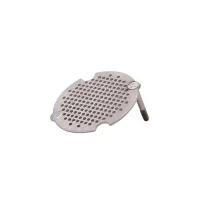


As a supplier of titanium anodes for EDI (Electrodeionization) systems, I've had the privilege of witnessing firsthand the remarkable capabilities these anodes bring to the table. Titanium anodes are widely recognized for their durability, corrosion resistance, and high electrical conductivity, making them a popular choice in EDI systems for various water treatment applications. However, like any technology, they are not without their limitations. In this blog post, I'll delve into some of the key limitations of titanium anodes in an EDI system, shedding light on areas where users need to be aware and proactive in their management.
1. Initial Cost
One of the most significant limitations of titanium anodes in an EDI system is their relatively high initial cost. Titanium is a precious metal, and the manufacturing process of titanium anodes involves complex procedures such as coating with precious metal oxides to enhance their electrochemical performance. These factors contribute to a higher price tag compared to other anode materials like graphite or stainless steel.
For small - scale water treatment facilities or projects with tight budgets, the upfront investment required for titanium anodes can be a deterrent. This cost factor may force some potential users to opt for less expensive alternatives, even though titanium anodes offer long - term benefits in terms of performance and durability. However, it's important to note that while the initial cost is high, the extended service life and reduced maintenance requirements of titanium anodes can offset the initial expense over time.
2. Sensitivity to Water Quality
Titanium anodes are highly sensitive to the quality of the water in the EDI system. Impurities in the water, such as heavy metals, sulfides, and certain organic compounds, can have a detrimental effect on the anode's performance. Heavy metals can deposit on the anode surface, forming a layer that reduces the anode's electrical conductivity and increases the overpotential. This, in turn, leads to higher energy consumption and a decrease in the overall efficiency of the EDI system.
Sulfides can react with the precious metal coating on the titanium anode, causing corrosion and degradation of the coating. Organic compounds may adsorb onto the anode surface, blocking the active sites and impeding the electrochemical reactions. To maintain the optimal performance of titanium anodes, it is crucial to have a proper pre - treatment system in place to remove these impurities from the feed water. This adds an additional layer of complexity and cost to the overall water treatment process.
3. Coating Degradation
The performance of titanium anodes in an EDI system largely depends on the integrity of the precious metal oxide coating. Over time, the coating can degrade due to several factors, including high current density, long - term operation, and exposure to harsh chemical environments. When the coating degrades, the anode's electrochemical activity decreases, leading to a decline in the efficiency of the EDI system.
High current density can cause the coating to peel off or dissolve, exposing the underlying titanium substrate. Once the substrate is exposed, it can react with the electrolyte, leading to corrosion and further deterioration of the anode. Long - term operation at elevated temperatures can also accelerate the degradation process. To mitigate coating degradation, it is necessary to operate the EDI system within the recommended current density and temperature ranges. Regular inspection and maintenance of the anodes are also essential to detect early signs of coating degradation and take appropriate corrective actions.
4. Limited Operating Conditions
Titanium anodes have a limited range of operating conditions in an EDI system. They are typically designed to operate within a specific pH range, temperature range, and current density range. Deviating from these recommended operating conditions can have a negative impact on the anode's performance and lifespan.


For example, operating the anode at a pH outside the recommended range can cause corrosion of the titanium substrate or dissolution of the coating. High temperatures can accelerate the chemical reactions on the anode surface, leading to faster coating degradation. Similarly, exceeding the recommended current density can cause overheating and damage to the anode. This limited operating window requires careful monitoring and control of the EDI system parameters, which can be challenging in some industrial applications where the feed water quality and operating conditions may vary.
5. Difficulty in Recycling
Another limitation of titanium anodes is the difficulty in recycling. The precious metal oxide coating on the titanium anode makes the recycling process complex and expensive. Separating the coating from the titanium substrate requires specialized equipment and chemical processes. Moreover, the recovery rate of the precious metals in the coating is often not very high, which further adds to the cost of recycling.
In addition, the recycling of titanium anodes is not as well - established as that of some other materials. There are relatively few recycling facilities that can handle titanium anodes, and the lack of a well - developed recycling infrastructure can pose a challenge for end - of - life management of these anodes. This not only has environmental implications but also adds to the overall cost of using titanium anodes in an EDI system.
Addressing the Limitations
Despite these limitations, titanium anodes remain a valuable component in EDI systems due to their many advantages. To address the limitations, we, as a supplier, offer a range of solutions. For the issue of initial cost, we provide flexible payment options and long - term service contracts to help our customers manage their budgets more effectively.
Regarding water quality sensitivity, we work closely with our customers to design and implement customized pre - treatment systems. These systems are tailored to the specific water quality of the feed water, ensuring that the impurities are removed before reaching the EDI system.
To combat coating degradation, we continuously invest in research and development to improve the durability of our anode coatings. Our R & D team is constantly exploring new coating materials and manufacturing processes to enhance the coating's resistance to high current density, temperature, and chemical exposure.
For the limited operating conditions, we provide detailed technical support to our customers. Our engineers assist in the installation and commissioning of the EDI system, ensuring that it is set up to operate within the recommended parameters. We also offer training programs for the system operators to help them understand the importance of maintaining the proper operating conditions.
In terms of recycling, we are actively involved in promoting the development of recycling technologies and infrastructure. We are collaborating with recycling companies to improve the recycling process and increase the recovery rate of precious metals from the anode coatings.
Conclusion
Titanium anodes play a crucial role in EDI systems, offering excellent performance and durability. However, they do have limitations, including high initial cost, sensitivity to water quality, coating degradation, limited operating conditions, and difficulty in recycling. As a supplier, we are committed to helping our customers overcome these limitations through innovative solutions and comprehensive support.
If you are considering using titanium anodes in your EDI system or have any questions about our products, we encourage you to [initiate contact for procurement discussions]. We have a team of experts ready to assist you in finding the best solution for your specific needs.
For more information about our titanium anodes, you can visit the following links:
Titanium Anode for Electrodialysis
Titanium Mesh Anode for Water Treatment
Titanium Anode Basket for Water Treatment
References
- "Electrochemical Technology for Water Treatment", John Wiley & Sons, 2018.
- "Corrosion and Protection of Titanium in Aqueous Solutions", Elsevier, 2015.
- "Advances in Electrodeionization Technology", CRC Press, 2020.