



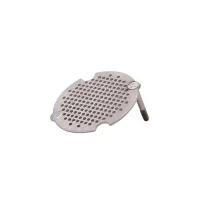


What are the corrosion resistance properties of a titanium anode for electrodialysis?
As a supplier of Titanium Anodes For Electrodialysis, I have witnessed firsthand the remarkable performance and durability of these anodes in various electrodialysis applications. In this blog post, I will delve into the corrosion resistance properties of titanium anodes, exploring why they are the preferred choice for electrodialysis processes.
Understanding Electrodialysis and the Role of Anodes
Electrodialysis is a membrane - based separation process that uses an electric field to separate ions from a solution. It is widely used in desalination, water treatment, and the production of various chemicals. In an electrodialysis cell, an anode and a cathode are placed on either side of ion - exchange membranes. When an electric current is applied, cations move towards the cathode, and anions move towards the anode.
The anode plays a crucial role in this process. It is responsible for facilitating the oxidation reactions that occur at the electrode surface. However, the anode is also exposed to a highly corrosive environment due to the presence of electrolytes, high currents, and reactive species. Therefore, selecting an anode material with excellent corrosion resistance is essential to ensure the long - term performance and efficiency of the electrodialysis system.
Corrosion Resistance of Titanium Anodes
Titanium is a well - known metal for its outstanding corrosion resistance. This property is mainly attributed to the formation of a passive oxide film on its surface. When titanium is exposed to oxygen or an oxidizing environment, a thin, dense, and adherent oxide layer (TiO₂) forms spontaneously on the surface. This oxide film acts as a protective barrier, preventing further corrosion of the underlying titanium metal.
In the context of electrodialysis, the passive oxide film on titanium anodes provides several benefits:
-
Chemical Resistance: The TiO₂ film is highly resistant to a wide range of chemicals, including acids, alkalis, and salts. In electrodialysis applications, the anodes are often in contact with solutions containing various electrolytes such as sodium chloride, sulfuric acid, and sodium hydroxide. The chemical resistance of the titanium anode ensures that it can withstand these harsh chemical environments without significant degradation. For example, in a desalination plant, where the anode is exposed to seawater (a highly saline solution), the titanium anode can resist the corrosive effects of chloride ions, which are known to cause pitting corrosion in many other metals. Desalination Plant Titanium Anode
-
Electrochemical Stability: Titanium anodes exhibit excellent electrochemical stability during the electrodialysis process. The passive oxide film has a high electrical resistance, which helps to control the rate of corrosion. At the same time, it allows for the efficient transfer of electrons during the electrochemical reactions that occur at the anode surface. This electrochemical stability ensures that the anode can maintain a consistent performance over a long period, even under high - current conditions.
-
Resistance to Oxidation and Reduction Reactions: In electrodialysis, the anode is subjected to both oxidation and reduction reactions. The passive oxide film on titanium anodes can resist the oxidative attack that occurs during the oxidation reactions at the anode. Additionally, it can also withstand the reducing conditions that may occur in the vicinity of the anode under certain operating conditions. This dual - resistance property makes titanium anodes suitable for a wide range of electrodialysis applications.


-
Long - Term Durability: The combination of chemical resistance, electrochemical stability, and resistance to oxidation and reduction reactions results in the long - term durability of titanium anodes. Compared to other anode materials such as graphite or lead, titanium anodes have a much longer service life. This reduces the frequency of anode replacement, which in turn lowers the operating costs of the electrodialysis system.
Factors Affecting the Corrosion Resistance of Titanium Anodes
While titanium anodes generally have excellent corrosion resistance, several factors can affect their performance in electrodialysis applications:
-
Electrolyte Composition: The composition of the electrolyte can have a significant impact on the corrosion resistance of titanium anodes. For example, the presence of certain ions such as fluoride or bromide can break down the passive oxide film on titanium, leading to increased corrosion. Therefore, it is important to carefully select the electrolyte composition and ensure that it is compatible with the titanium anode.
-
Current Density: High current densities can increase the rate of corrosion on the anode surface. When the current density exceeds a certain limit, the passive oxide film may be damaged, and localized corrosion such as pitting or crevice corrosion may occur. It is crucial to operate the electrodialysis system within the recommended current density range to maintain the integrity of the titanium anode.
-
Temperature: Elevated temperatures can accelerate the corrosion process. As the temperature increases, the chemical reactions at the anode surface become more rapid, and the stability of the passive oxide film may be affected. Therefore, it is necessary to control the operating temperature of the electrodialysis system to ensure the long - term corrosion resistance of the titanium anodes.
Applications of Titanium Anodes in Electrodialysis
Titanium anodes are widely used in various electrodialysis applications:
-
Desalination: In desalination plants, electrodialysis is used to remove salt from seawater or brackish water. Titanium anodes are the ideal choice for this application due to their excellent corrosion resistance in saline environments. Desalination Plant Titanium Anode
-
Water Treatment: Titanium anodes are also used in water treatment processes such as the removal of heavy metals, nitrates, and phosphates from water. The corrosion resistance of titanium anodes ensures that they can operate effectively in different water treatment scenarios, providing a reliable and long - lasting solution. Titanium Anode Basket for Water Treatment
-
Electrolytic Wastewater Treatment: In the treatment of industrial wastewater, electrodialysis can be used to separate and recover valuable resources or to remove harmful pollutants. Titanium anodes are well - suited for this application as they can withstand the corrosive nature of industrial wastewater. Titanium Anode for Electrolytic Wastewater Treatment
Conclusion
In conclusion, the corrosion resistance properties of titanium anodes make them an ideal choice for electrodialysis applications. The passive oxide film on titanium provides excellent chemical resistance, electrochemical stability, and resistance to oxidation and reduction reactions. These properties result in long - term durability and reliable performance of the anodes in harsh electrodialysis environments.
However, it is important to consider factors such as electrolyte composition, current density, and temperature to ensure the optimal performance of titanium anodes. By carefully selecting the operating conditions and maintaining the integrity of the anode surface, the corrosion resistance of titanium anodes can be maximized.
If you are in the market for high - quality Titanium Anodes For Electrodialysis, we are here to help. Our anodes are designed and manufactured to meet the highest standards of corrosion resistance and performance. Contact us for more information and to discuss your specific requirements. We look forward to partnering with you to provide the best electrodialysis solutions.
References
- Fontana, M. G., & Greene, N. D. (1967). Corrosion Engineering. McGraw - Hill.
- Revie, R. W. (Ed.). (2008). Uhlig's Corrosion Handbook. Wiley.
- Davis, J. R. (Ed.). (1999). ASM Specialty Handbook: Titanium and Titanium Alloys. ASM International.