




As a dedicated supplier of Platinum-Coated Titanium Anodes, I've witnessed firsthand the importance these anodes hold in various industrial applications. However, like any other technology, platinum-coated titanium anodes are susceptible to certain failures that can affect their performance and longevity. In this blog post, I'll delve into some of the common failures associated with these anodes, exploring their causes, impacts, and possible solutions.
Coating Degradation
One of the most prevalent issues with platinum-coated titanium anodes is coating degradation. Over time, the platinum coating can wear down due to a variety of factors, including chemical reactions, mechanical stress, and high operating temperatures. As the coating degrades, the anode's performance begins to decline, leading to reduced efficiency and increased energy consumption.
Chemical Reactions
In many industrial processes, the anode is exposed to aggressive chemicals that can react with the platinum coating. For example, in electrolysis applications, the presence of chloride ions can cause the platinum to corrode, resulting in the formation of platinum chloride compounds. These compounds can then dissolve in the electrolyte, leading to the loss of the platinum coating and a decrease in the anode's performance.
Mechanical Stress
Mechanical stress can also contribute to coating degradation. During installation or operation, the anode may be subjected to vibrations, impacts, or bending forces that can cause the platinum coating to crack or peel off. This can expose the underlying titanium substrate, which is more susceptible to corrosion and can further accelerate the degradation of the anode.
High Operating Temperatures
High operating temperatures can also have a detrimental effect on the platinum coating. At elevated temperatures, the platinum atoms can become more mobile, leading to increased diffusion and grain growth. This can cause the coating to become porous and brittle, making it more prone to cracking and peeling. Additionally, high temperatures can also accelerate chemical reactions between the platinum and the surrounding environment, further contributing to coating degradation.
Substrate Corrosion
Another common failure mode of platinum-coated titanium anodes is substrate corrosion. The titanium substrate provides the structural support for the platinum coating, and if it becomes corroded, the integrity of the anode can be compromised.
Passive Film Breakdown
Titanium is known for its excellent corrosion resistance due to the formation of a passive oxide film on its surface. However, under certain conditions, this passive film can break down, exposing the underlying titanium to corrosion. For example, in acidic or alkaline environments, the passive film can be dissolved by the presence of aggressive ions, allowing corrosion to occur.
Galvanic Corrosion
Galvanic corrosion can also occur when the platinum-coated titanium anode is in contact with a dissimilar metal. When two different metals are in electrical contact in an electrolyte, a galvanic cell is formed, and the more reactive metal (in this case, titanium) will corrode preferentially. To prevent galvanic corrosion, it's important to ensure that the anode is properly insulated from other metals and that the electrical connections are made using compatible materials.
Pitting Corrosion
Pitting corrosion is a localized form of corrosion that can occur on the surface of the platinum-coated titanium anode. It typically starts as small pits or holes in the coating, which can then grow and penetrate the underlying titanium substrate.
Localized Breakdown of the Coating
Pitting corrosion can be caused by a variety of factors, including impurities in the coating, surface defects, or the presence of aggressive ions in the electrolyte. When the protective platinum coating is breached, the underlying titanium substrate is exposed to the electrolyte, and corrosion can occur at the site of the breach.
Hydrogen Embrittlement
In some cases, pitting corrosion can also lead to hydrogen embrittlement of the titanium substrate. When hydrogen ions are produced during the corrosion process, they can diffuse into the titanium lattice, causing the metal to become brittle and more prone to cracking. This can significantly reduce the mechanical strength of the anode and increase the risk of failure.
Solutions and Recommendations
To minimize the risk of these common failures, it's important to take proper care of the platinum-coated titanium anodes and follow best practices during installation, operation, and maintenance.
Coating Maintenance
Regular inspection of the anode's coating is essential to detect any signs of degradation early on. If the coating is showing signs of wear or damage, it may be necessary to reapply the platinum coating or replace the anode altogether. Additionally, it's important to avoid exposing the anode to aggressive chemicals or high temperatures that can accelerate coating degradation.
Substrate Protection
To prevent substrate corrosion, it's important to ensure that the anode is installed in a suitable environment and that the electrolyte is properly buffered. Additionally, the use of protective coatings or inhibitors can help to protect the titanium substrate from corrosion.
Pitting Corrosion Prevention
To prevent pitting corrosion, it's important to maintain a clean and uniform coating on the anode surface. This can be achieved by using high-quality coating materials and applying them using proper techniques. Additionally, the use of corrosion inhibitors or sacrificial anodes can help to protect the anode from pitting corrosion.
Conclusion
In conclusion, platinum-coated titanium anodes are a reliable and efficient solution for a wide range of industrial applications. However, like any other technology, they are susceptible to certain failures that can affect their performance and longevity. By understanding the common failure modes of these anodes and taking appropriate measures to prevent them, you can ensure that your anode system operates at peak efficiency and provides reliable service for years to come.
If you're interested in learning more about our Platinum-Coated Titanium Anode products or have any questions about anode selection and maintenance, please don't hesitate to contact us. We're here to help you find the best solution for your specific needs.
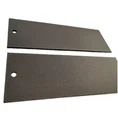
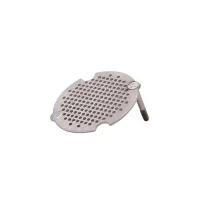
In addition to our platinum-coated titanium anodes, we also offer a range of other high-quality anode products, including High-Purity Iridium-Tantalum Coated Titanium Anode Plate and MMO Coated Titanium Disc Anode. These products are designed to provide superior performance and durability in a variety of applications.
Whether you're looking for a replacement anode or need assistance with anode system design and installation, we have the expertise and experience to meet your requirements. Contact us today to start the conversation and explore how our anode solutions can benefit your business.


References
- "Corrosion of Metals and Alloys" by J.R. Jernstedt.
- "Electrochemical Engineering" by Carl Wagner.
- "Handbook of Corrosion Engineering" by Pierre R. Roberge.