


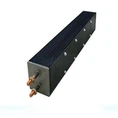
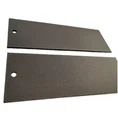


Hey there! I'm a supplier of titanium anodes for water treatment, and I've seen my fair share of issues when it comes to these nifty little components. In this blog, I'll walk you through how to troubleshoot problems with a titanium anode for water treatment. Whether you're a newbie or a seasoned pro, these tips should come in handy.
1. Understanding the Basics
First things first, let's quickly go over what a titanium anode does in water treatment. Titanium anodes are used in various water treatment processes, like electro - disinfection, electro - coagulation, and electrodialysis. They play a crucial role in breaking down contaminants, killing bacteria, and removing impurities from water.
We offer different types of titanium anodes for water treatment, such as the Titanium Sheets Anode for Water Treatment, Titanium Anode Basket for Water Treatment, and Titanium Anode for Electrodialysis. Each type has its own unique features and applications, so it's important to use the right one for your specific water treatment needs.
2. Common Problems and Their Causes
Low Current Efficiency
One of the most common problems is low current efficiency. If you notice that your anode isn't performing as well as it should, and the amount of contaminants removed is less than expected, low current efficiency might be the culprit.
The causes of low current efficiency can be numerous. One common cause is the formation of a passive film on the anode surface. This film can act as an insulator, reducing the flow of current and thus decreasing the efficiency of the anode. Another cause could be incorrect anode sizing. If the anode is too small for the volume of water being treated, it won't be able to deliver enough current to effectively treat the water.
Anode Corrosion
Corrosion is another major issue. You might see signs of physical damage, such as pitting or flaking, on the anode surface. This can lead to a decrease in the anode's lifespan and performance.
There are several factors that can cause anode corrosion. High levels of chloride ions in the water can be a major contributor. Chloride ions can react with the titanium anode, causing it to corrode. Additionally, extreme pH levels in the water can also accelerate corrosion. If the water is too acidic or too alkaline, it can eat away at the anode material.
Scaling
Scaling occurs when minerals in the water, such as calcium and magnesium, deposit on the anode surface. This can form a hard layer that reduces the anode's effectiveness.
The main cause of scaling is the presence of high concentrations of these minerals in the water. When the water is treated with the anode, the minerals can precipitate out and stick to the anode surface. Poor water circulation can also contribute to scaling, as it allows the minerals to accumulate more easily.
3. Troubleshooting Steps
Visual Inspection
The first step in troubleshooting is to do a visual inspection of the anode. Look for any signs of damage, such as cracks, pitting, or scaling. If you see any physical damage, it might be a sign that the anode needs to be replaced.
Check the connections between the anode and the power source. Loose or corroded connections can cause problems with the current flow. Make sure all the connections are tight and free of corrosion.
Testing the Current and Voltage
Use a multimeter to test the current and voltage at the anode. Compare the readings with the manufacturer's specifications. If the current is too low, it could indicate a problem with the power source or the anode itself. If the voltage is too high, it might be causing excessive corrosion or other issues.
If the current is low, check the power supply to make sure it's functioning properly. You might also need to check the wiring for any breaks or shorts. If the voltage is high, you might need to adjust the settings on the power supply or check for any electrical faults in the system.
Analyzing the Water Quality
Get a water sample and have it analyzed. Look for the levels of chloride ions, pH, and mineral content. If the chloride ion levels are too high, you might need to use a pre - treatment method to reduce them. For example, you could use a reverse osmosis system to remove the chloride ions before the water reaches the anode.
If the pH is outside the recommended range, you can adjust it using chemicals. For acidic water, you can add a base to raise the pH. For alkaline water, you can add an acid to lower the pH.
If there are high levels of minerals in the water, you might need to use a water softener or other pre - treatment methods to reduce the scaling potential.
Cleaning the Anode
If you notice scaling on the anode, you can try cleaning it. You can use a mild acid solution, such as citric acid, to dissolve the scale. Make sure to follow the proper safety procedures when handling acids.
Soak the anode in the acid solution for a few hours, then rinse it thoroughly with clean water. After cleaning, check the anode's performance to see if there's an improvement.
4. Preventive Measures
Proper Anode Selection
Make sure you choose the right anode for your specific water treatment application. Consider factors such as the type of contaminants in the water, the volume of water to be treated, and the operating conditions.
Our Titanium Sheets Anode for Water Treatment is great for general water treatment applications, while the Titanium Anode Basket for Water Treatment is more suitable for applications where a larger surface area is required. The Titanium Anode for Electrodialysis is specifically designed for electrodialysis processes.


Regular Maintenance
Perform regular maintenance on the anode and the entire water treatment system. This includes cleaning the anode, checking the connections, and monitoring the water quality.
Set up a maintenance schedule and stick to it. Regular maintenance can help prevent problems from occurring in the first place and extend the lifespan of the anode.
Water Pre - treatment
Implement water pre - treatment methods to reduce the levels of contaminants and minerals in the water. This can help prevent scaling and corrosion of the anode.
For example, you can use a sediment filter to remove large particles from the water, a carbon filter to remove organic contaminants, and a water softener to reduce the hardness of the water.
5. When to Replace the Anode
Even with proper maintenance, an anode will eventually reach the end of its lifespan. There are several signs that it's time to replace the anode.
If you've tried all the troubleshooting steps and the anode still isn't performing properly, it might be time for a replacement. Also, if the anode has significant physical damage, such as extensive corrosion or pitting, it won't be able to function effectively and should be replaced.
6. Conclusion
Troubleshooting problems with a titanium anode for water treatment can seem daunting, but by following these steps, you can identify and solve most issues. Remember to do regular visual inspections, test the current and voltage, analyze the water quality, and perform proper maintenance.
If you're still having problems or need more information about our titanium anodes for water treatment, don't hesitate to reach out. We're here to help you find the best solutions for your water treatment needs. Whether you're looking to purchase a new anode or need advice on troubleshooting, we're just a message away. Start a conversation with us today to discuss your requirements and explore the possibilities for your water treatment system.
References
- "Handbook of Water and Wastewater Treatment Technologies" by Peter F. Strom
- "Electrochemical Engineering" by Richard C. Alkire, Dimitrios G. Papavassiliou, and John Newman