


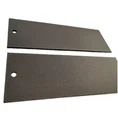
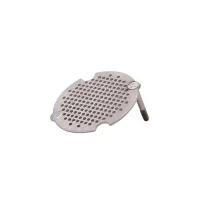


Hey there! As a supplier of Titanium Anode For Ionizers, I often get asked about how to recycle a used titanium anode from an ionizer. It's a topic that's not only environmentally important but also has some practical benefits for businesses and individuals. So, let's dive right in and explore the ins and outs of recycling these anodes.
Why Recycle Titanium Anodes?
First off, why should we even bother recycling titanium anodes? Well, titanium is a valuable metal. It's strong, corrosion - resistant, and has a wide range of applications. Recycling titanium anodes helps conserve this precious resource. Instead of mining new titanium, which is an energy - intensive and environmentally - damaging process, we can reuse the existing material.
Moreover, recycling can also save costs. For companies that use ionizers, recycling the anodes can reduce the need to purchase new ones frequently. This is especially important in industries where ionizers are used on a large scale, such as water treatment plants or electroplating facilities.
Step 1: Inspection and Assessment
The first step in recycling a used titanium anode is to inspect it thoroughly. Check for any signs of damage, such as cracks, corrosion, or wear. If the anode is severely damaged, it might not be suitable for recycling in its current form. However, even a damaged anode can sometimes be salvaged.
We need to assess the composition of the anode as well. Titanium anodes are often coated with other materials, like precious metals or metal oxides, to enhance their performance. Knowing the exact composition will help us determine the best recycling method.
Step 2: Cleaning the Anode
Once the anode has been inspected, the next step is to clean it. This is crucial because any dirt, debris, or chemical residues on the anode can interfere with the recycling process. We can use a mild detergent and water to clean the surface of the anode. For more stubborn residues, we might need to use specialized cleaning agents.
Make sure to rinse the anode thoroughly after cleaning to remove all traces of the cleaning agents. A clean anode will yield better results during the recycling process.
Step 3: Stripping the Coating (if applicable)
As I mentioned earlier, many titanium anodes have a coating. If we want to recycle the titanium itself, we need to strip this coating. There are several methods for doing this. One common method is chemical stripping. We use chemicals that can dissolve the coating without damaging the titanium substrate.
However, chemical stripping can be a bit tricky. We need to choose the right chemicals and follow the safety procedures carefully. Another method is mechanical stripping, which involves using abrasive materials to remove the coating. This method is more physical and might be suitable for some types of coatings.
Step 4: Melting and Refining
After the anode is clean and the coating (if any) is removed, it's time to melt the titanium. This is usually done in a high - temperature furnace. The melting process needs to be carefully controlled to ensure that the titanium doesn't react with other substances in the furnace.
Once the titanium is melted, it goes through a refining process. This is to remove any impurities that might still be present in the molten titanium. Refining can involve various techniques, such as electrolysis or chemical purification.
Step 5: Re - manufacturing
The final step in the recycling process is to re - manufacture the recycled titanium into new anodes. We can shape the refined titanium into the desired form for ionizers. This might involve casting, machining, or other manufacturing processes.


At our company, we take pride in our ability to recycle used titanium anodes and turn them into high - quality products. We offer a range of titanium anodes for ionizers, including Electrochemical Degradation Titanium Anode, Compact Electrolysis Titanium Anode, and Low Energy Loss Water Electrolysis Titanium Anode.
The Benefits of Recycling with Us
When you choose to recycle your used titanium anodes with us, you're not only doing something good for the environment but also getting a high - quality product in return. Our recycled anodes have the same performance as new ones, and they come at a more affordable price.
We also offer excellent customer service. Our team of experts is always ready to answer your questions and provide you with the best solutions for your ionizer needs. Whether you're a small business or a large industrial facility, we can help you make the most of your used titanium anodes.
How to Get Started
If you're interested in recycling your used titanium anodes or purchasing our recycled products, it's easy to get in touch. Just reach out to us, and we'll guide you through the process. We'll help you assess your anodes, determine the best recycling method, and provide you with a quote.
Recycling used titanium anodes is a win - win situation. It helps protect the environment, saves costs, and gives you access to high - quality products. So, don't hesitate to take the first step towards a more sustainable future.
References
- Smith, J. (2020). Titanium Recycling: A Review. Journal of Materials Recycling, 15(2), 123 - 135.
- Johnson, A. (2021). The Benefits of Recycling Titanium in the Ionizer Industry. Industrial Recycling Magazine, 22(3), 45 - 52.
- Brown, C. (2019). Recycling Titanium Anodes: A Step - by - Step Guide. Environmental Science and Technology, 33(4), 210 - 218.