


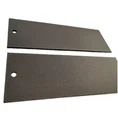
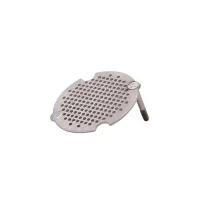


Hey there! As a supplier of Titanium Anode For Electrodialysis, I've been dealing with these anodes for quite a while. And let me tell you, optimizing their performance is no easy feat, but it's totally doable. In this blog, I'll share some tips and tricks on how to get the most out of your titanium anode for electrodialysis.
Understanding the Basics of Titanium Anodes for Electrodialysis
First things first, let's quickly go over what a titanium anode for electrodialysis is. Electrodialysis is a process that uses an electric field to separate ions from a solution through ion - exchange membranes. Titanium anodes play a crucial role in this process. They're made of titanium, which is a highly corrosion - resistant metal, and are usually coated with a precious metal oxide to enhance their electrochemical properties.
The performance of a titanium anode can be measured in several ways. We're talking about things like its current efficiency, which is how effectively it can convert electrical energy into chemical reactions. Another important factor is its service life. A longer - lasting anode means less frequent replacements and lower costs in the long run. And of course, the stability of the anode during the electrodialysis process is key. We don't want it to degrade or change its properties too quickly.
Choosing the Right Coating
One of the most important steps in optimizing the performance of a titanium anode is choosing the right coating. The coating on a titanium anode is like its secret weapon. It determines a lot of the anode's characteristics.
There are different types of coatings available. For example, iridium oxide coatings are known for their high oxygen evolution activity. This is great if your electrodialysis process involves the evolution of oxygen at the anode. They're also quite stable, which means they can last a long time.
On the other hand, ruthenium oxide coatings are more suitable for processes where chlorine evolution is the main reaction. They have a high chlorine evolution activity and are also relatively cost - effective.
When you're choosing a coating, you need to think about the specific requirements of your electrodialysis process. What kind of ions are you trying to separate? What kind of reactions are happening at the anode? If you're not sure, it might be a good idea to consult with a technical expert. You can check out our Titanium Anode for Fruit and Vegetable Machine and Titanium Anode for Antifouling Electrolysis products to see the different coatings we offer and how they're used in specific applications.
Proper Installation and Maintenance
Even if you have the best - coated titanium anode, it won't perform well if it's not installed correctly. When installing the anode, make sure it's properly aligned in the electrodialysis cell. Any misalignment can lead to uneven current distribution, which can reduce the anode's efficiency and lifespan.
The electrical connections also need to be secure. Loose connections can cause arcing, which not only damages the anode but can also be a safety hazard.
Maintenance is another crucial aspect. Regularly inspect the anode for any signs of damage or wear. If you notice any cracks or peeling in the coating, it's a sign that the anode might need some attention. You can clean the anode periodically to remove any deposits that might build up on its surface. This can improve its performance and extend its service life.
Controlling the Operating Conditions
The operating conditions of the electrodialysis process can have a huge impact on the performance of the titanium anode. Temperature is one of the key factors. Generally, higher temperatures can increase the reaction rates at the anode, but if it gets too hot, it can also cause the coating to degrade more quickly. So, you need to find the right balance.
The pH of the solution is also important. Different coatings have different optimal pH ranges. For example, some coatings might work better in acidic solutions, while others are more suitable for alkaline ones. Make sure you keep the pH within the recommended range for your specific anode.
The current density is another variable that you need to control. If the current density is too high, it can cause the anode to overheat and the coating to wear out faster. On the other hand, if it's too low, the electrodialysis process might not be efficient enough.
Monitoring and Troubleshooting
It's a good idea to set up a monitoring system for your electrodialysis process. You can measure things like the current, voltage, and temperature to keep track of how the anode is performing. If you notice any sudden changes in these parameters, it could be a sign of a problem.
For example, if the current drops suddenly, it might mean that there's a problem with the electrical connections or that the anode is fouled. If the temperature rises too quickly, it could indicate that the current density is too high or that there's an issue with the cooling system.


When you encounter a problem, don't panic. Start by checking the obvious things like the electrical connections and the solution composition. If you can't figure out what's wrong, it might be time to consult with a professional.
Upgrading and Innovations
The field of titanium anodes for electrodialysis is constantly evolving. There are always new coatings and materials being developed that can offer better performance. As a supplier, we're always on the lookout for these new technologies and we're happy to share them with our customers.
For example, some researchers are working on developing more environmentally friendly coatings that can reduce the use of precious metals. Others are exploring new ways to improve the adhesion of the coating to the titanium substrate, which can increase the anode's service life.
If you're interested in upgrading your current anode or trying out some of these new technologies, we can help you find the best solution for your needs.
Conclusion
Optimizing the performance of a titanium anode for electrodialysis is a multi - step process. It involves choosing the right coating, proper installation and maintenance, controlling the operating conditions, monitoring the process, and being open to upgrades and innovations.
If you're in the market for a high - performance titanium anode for electrodialysis or if you need help optimizing the performance of your existing anode, we're here to assist you. We have a wide range of products, including the Titanium Mesh Anode for Water Treatment, that are designed to meet different needs.
Don't hesitate to reach out to us for more information or to start a procurement discussion. We're always happy to talk about how we can help you get the most out of your electrodialysis process.
References
- Chen, G. (2004). Electrochemical technology for wastewater treatment. Separation and Purification Technology, 38(1), 11 - 41.
- Trasatti, S. (1980). Electrodes of conductive metal oxides. Part I. General properties. Electrochimica Acta, 25(7), 733 - 745.
- Bockris, J. O'M., & Reddy, A. K. N. (1970). Modern electrochemistry: An introduction to an interdisciplinary area. Plenum Press.